Please ensure Javascript is enabled for purposes of website accessibility
Skip to main content
Advertisement

Where can you find retirement investment income?
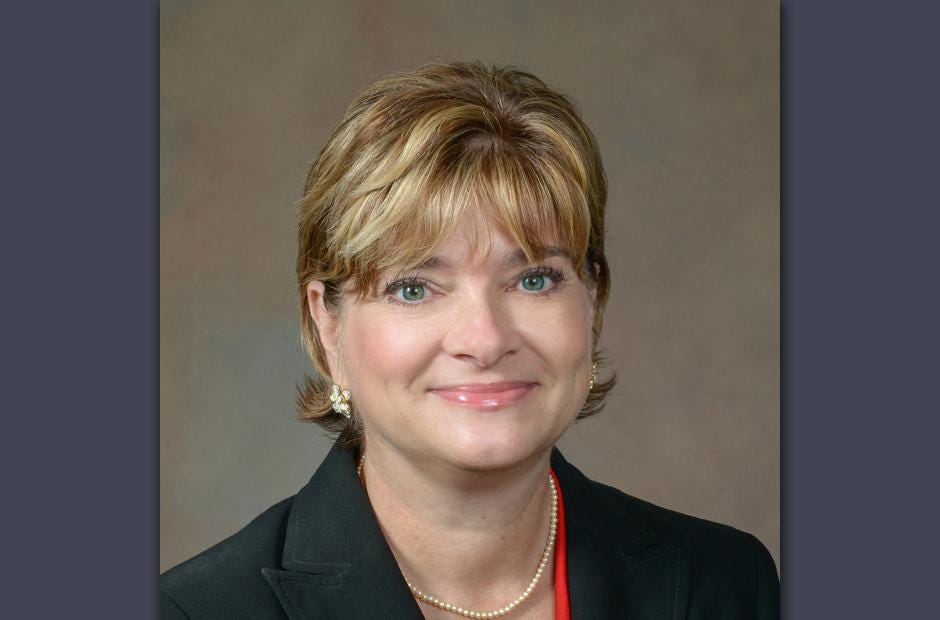
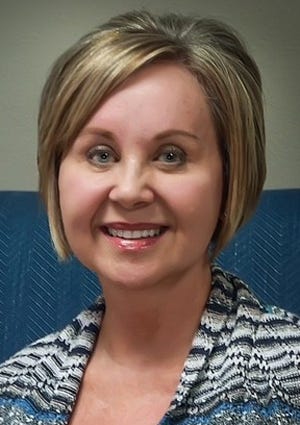
Yvonne Shanklin (Special to the News Bulletin)

As an investor, your main goals will change at different times in your life. During your working years, you need to grow as many resources as possible for retirement. Once you retire, however, you will likely need to focus more on getting income from your investments.

But what are your options?

There's no shortage of income-producing investments, of course. You might immediately think of bonds, which can provide regular interest payments and probable preservation of principal, provided the bonds are considered "investment grade." Still, if interest rates are low when you retire — as they have been for several years now — bonds might not provide you with as much income as you need. And just as importantly, the income you receive from most bonds won't rise over time, leaving you susceptible to inflation and the loss of purchasing power.

Consequently, you may also need to explore other types of income-generating vehicles, including dividend-paying stocks and real estate investment trusts (REITs).

Some stocks have not only paid but also increased their dividends for many consecutive years. These stocks have historically provided the potential for rising income to help combat inflation and are typically well-run companies that strive to reward their investors. Nonetheless, you need to recognize that even these stocks are not obligated to pay you dividends, and they are free to lower or discontinue them at any time without notice.

Now, let's turn to the second type of potential income-producing asset: Real estate investment trusts (REITs).

Different types of REITs are available. For example, equity REITs invest in and own commercial properties, such as hotels and shopping centers, while mortgage REITs, as the name suggests, own and invest in property mortgages. Is one form of REIT better than another? There's no simple answer. On the one hand, mortgage REITs are considered riskier than equity REITs. However, mortgage REITs often pay quite large dividends, although the payout can be inconsistent. (Like all REITs, mortgage REITs must pay 90 percent of their taxable income to investors in the form of dividends. Due to this requirement, REITs generally need to raise capital to finance their growth plans, and this necessity can affect their share prices.)

Other factors, such as changing interest rates, will affect the value of mortgage and equity REITs differently. Specifically, rising interest rates will likely cause the market value of the property mortgages inside mortgage REITs to fall, whereas equity REITs, which own actual buildings, might actually benefit if the Federal Reserve raises interest rates, as such a move would indicate a strong economy, more jobs and greater demand for office space. In the short term, though, even equity REITs can react negatively to an interest-rate increase. But over the long term, this movement can be offset by the benefits of earnings and dividend growth driven by a growing economy.

Clearly, there's much to think about when considering potential income-producing options such as bonds, dividend-paying stocks and REITs. Ultimately, you will need to weigh the merits and risks of these investments — including interest rate risk, credit risk, and market risk — and determine which of them, or which combination of them, are most appropriate for your needs.

This article was written by Edward Jones on behalf of your Edward Jones financial adviser.
This article originally appeared on Crestview News Bulletin: Where can you find retirement investment income?


Be picky when picking peaches

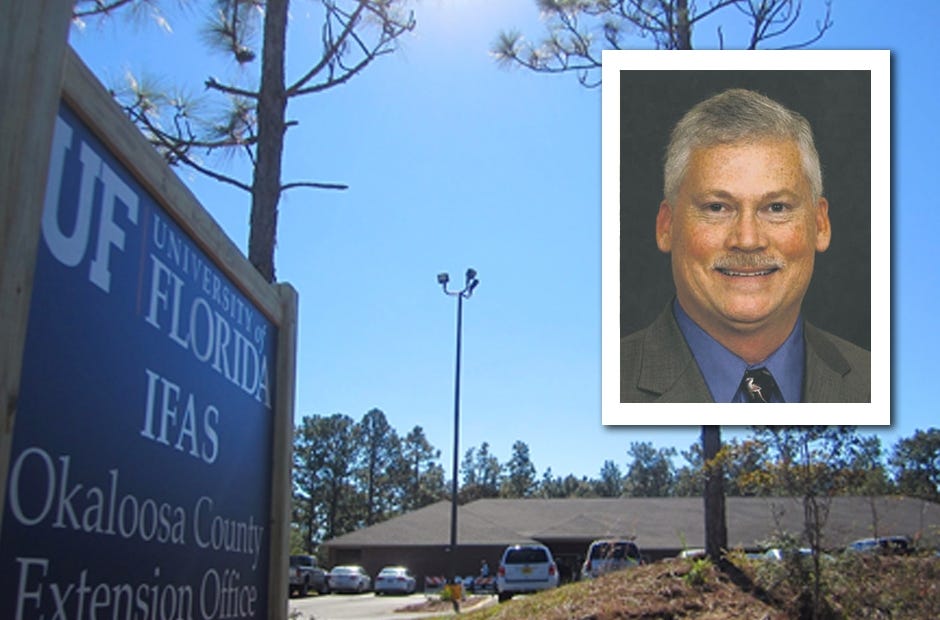
Peaches are difficult to grow successfully at home, according to Larry Williams of the Institute of Food and Agricultural Sciences Extension office in Crestview. Pixabay.com

Each winter gardeners purchase and plant peach trees in North Florida. Regretfully, many of these trees are impulse buys, with little or no thought given to the variety of tree for sale or the requirements to grow peaches.

All too often, ultimate failure results. Peaches are difficult to grow successfully at home.

Choosing the right variety is not as simple as deciding which muscadine or tomato variety to plant.

Peach trees have “internal clocks” called chilling requirements that keep the tree “asleep” during winter. The chilling requirement is recorded as the number of hours below 45 degrees. If a peach tree does not get the correct amount of chilling hours, it will grow poorly and will produce few to no peaches.

Peach breeders have developed peach varieties with various chilling requirements for different parts of the country. Requirements vary from as low as 100 to as high as 1,000 or more hours between peach varieties. It’s important for the backyard fruit enthusiast to match the correct peach variety with the expected chilling-hour range. In general, choose varieties with chilling requirements from 450 to 650 hours in North Florida. During the average winter, Okaloosa County receives 500 to 650 chilling hours.

Chilling hours aren’t the only concern. Peach breeders have also been successful in developing varieties that are resistant to certain diseases, such as bacterial spot. They’ve developed varieties with yellow or white flesh and a succession of varieties that ripen throughout the summer.

It’s best to choose varieties that ripen early in Florida to avoid the rainy season, when diseases are more difficult to control. However, because each variety has a ripening period of about two weeks, some people decide to select two or more later-ripening varieties to extend the harvest season. Growers who do this must be prepared to extend their pest control efforts, too.

Unfortunately, a number of insects and diseases love peaches as much as you and me. Peach breeders are working hard to develop more resistance to these pests. Brown rot, rhizopus rot, scale and bores are just a few of the problems the home gardener interested in peaches must deal with.

Unlike some fruits that tolerate some pests and still produce a fair amount of edible fruits, peaches must be cared for with diligence.

If you’re committed to growing peaches, good luck with your venture. If you’re not committed, I suggest you patronize a local peach producer, produce stand or grocery store and enjoy the fruits of someone else’s labor.

More information on growing peaches in Florida is available from the University of Florida Institute of Food and Agricultural Sciences Extension Office in your county or from http://edis.ifas.ufl.edu/topic_peaches_and_nectarines.

This article originally appeared on Crestview News Bulletin: Be picky when picking peaches

Clean it up or tear it down?

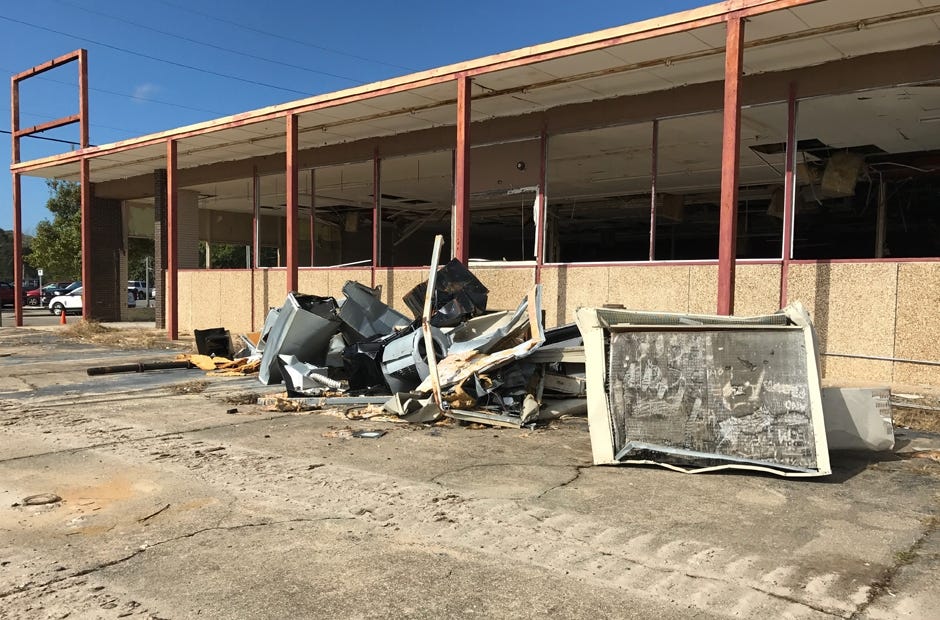
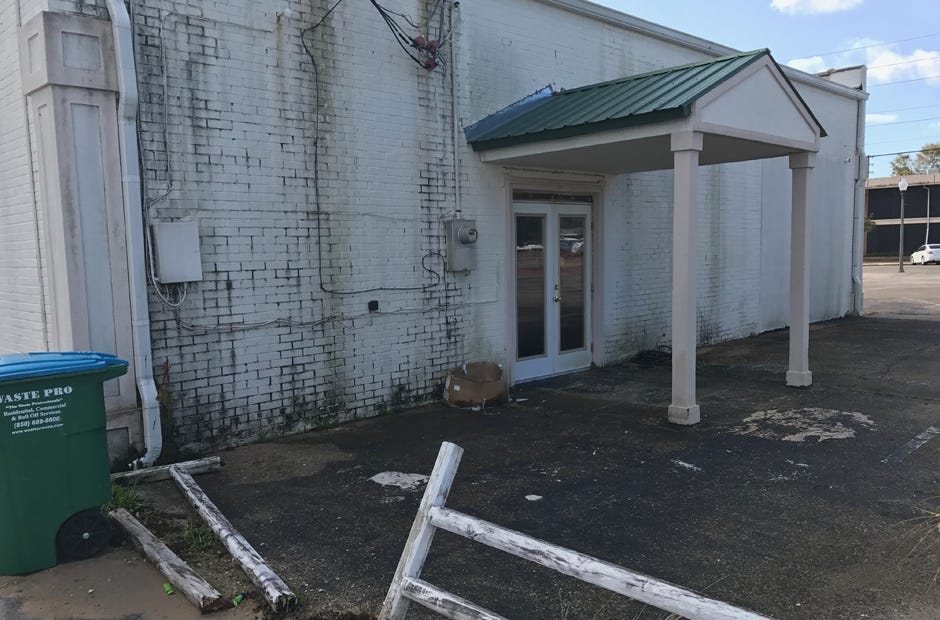
City officials want to see an improved, expedited process for dealing with buildings in disrepair, like this downtown structure. MARK JUDSON | News Bulletin

THE ISSUE: The number of abandoned, run down buildings has surged in downtown Crestview

LOCAL IMPACT: Blight is not just unsightly; it deters potential investors, which stunts economic growth

CRESTVIEW — Proactive instead of reactive: Mayor David Cadle said that's the goal concerning code enforcement.

‘DOWNTOWN IS A HOT TOPIC’

Cadle said he wants to see the city rid itself of excessive trash, debris and dilapidated buildings.

The city’s blight discourages residents and makes Crestview unappealing to potential investors, Cadle said.

City Council members agree that problem is out of control.

“We need to put some teeth into enforcement,” City Council President Joe Blocker said.

He said the council needs to take steps to improve the city’s overall appearance, but he said the city should remain fair to property owners.

Commercial properties also must receive more scrutiny, Councilman Doug Faircloth said. He cited several downtown buildings in disrepair and infested with vermin.

“We need to clean them, or tear them down, or do something,” Faircloth said.

A walk through Main Street shows several abandoned commercial properties, many with rental or sale signs in the windows.

Although they are vacant, most don’t appear to be rundown, aside from the need for a pressure wash or paint job.

However, what about these buildings’ structural and interior conditions?

Code enforcement officers, perhaps ironically, can’t enforce building codes, Code Enforcement Department Supervisor Senida Oglesby said.

This means the department can’t deem properties unsafe or condemned — a common misconception.

Therefore, live electrical wires in abandoned buildings, for instance, fall outside code enforcers’ jurisdiction. The building department monitors and cites building code infractions.

IT TAKES TIME

So, what is the city doing to eliminate the blight?

“There is a process and we are running the process,” Growth Management Director Teresa Gaillard said. The growth management department oversees building inspections and code enforcement.

Citing building codes and condemnation is a time-consuming procedure, according to Gaillard, who said this process often takes longer than people would expect or prefer it to take. However, her department and the city are formulating a “plan of action,” she said.

Building inspections and deeming structures unsafe are also capabilities of the fire marshal, according to Gaillard.

While true, the fire department focuses on ensuring residents’ protection, Fire Marshal Rodney Lancaster said.

Codes enforced by the department deal primarily with occupied buildings that might pose a threat to safety or wellbeing, he said.

Therefore, many building code violations fall back to the building department, he said, despite the fire department’s ability to declare a building “unsafe.”

‘THEY ARE ATROCIOUS’

Downtown isn't the lone problem area. Homes and former businesses beyond Main Street face similar calls for condemnation or cleaning up.

“I’ve seen some of the buildings and they are atrocious,” Councilman Shannon Hayes said. “We got to do something about cleaning up our city for our residents and those that might want to be.”

Some of these matters, again, fall beyond the reach of code enforcement officers because they relate to building safety, according to Oglesby.

That's a shame, one resident says. 

"The powers that be should give code enforcement more power to get these things up to code," Joan Bencheck says. "Houses on Pearl Street should be checked out … Maybe a few fines would get them in line.

"Code Enforcement does a great job and they should not have their hands tied."

Until then, education is also an issue, as many residents are not aware they are violating city codes, Oglesby said.

“Most of our job is educating people about what they can and can’t do, even if it’s on their property,” Oglesby said, adding that violators include senior citizens and impoverished residents who lack the means to correct code issues.

The department has had success despite these concerns, according to Oglesby. Code enforcers had a 99 percent success rate in obtaining compliance during the last fiscal year, responding to over 800 code violations she said.

All of which is handled by a small staff.

Crestview employs two full-time code enforcement officers and operates one city vehicle, according to Oglesby. The department’s second vehicle was totaled in a car accident in November 2016 and is in the process of being replaced.

Blight and decayed buildings exist in Crestview, as they do in most cities.

Correcting these issues has no quick solution and requires the work of several departments within the city government.

This article originally appeared on Crestview News Bulletin: Clean it up or tear it down?

Remembering the county courthouse

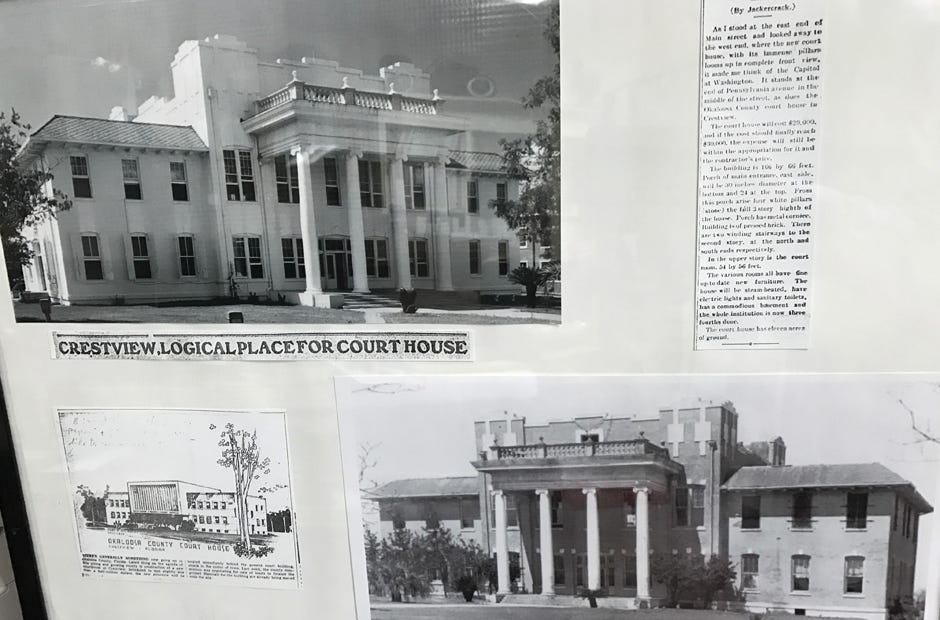
Photos of the 1918 courthouse and news clippings record its construction and the announcement of the rebuild in 1955. PHOTO | Baker Block Museum

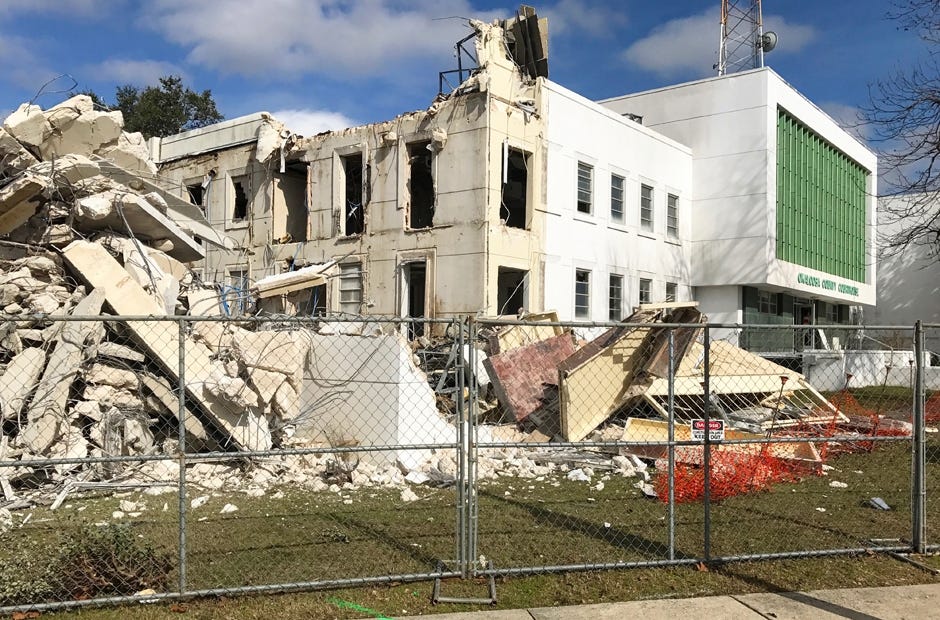
CRESTVIEW — The Okaloosa County courthouse’s demolition ends a lengthy chapter in Hub City history.

Black mold and asbestos throughout the building prompted the Okaloosa County Board of Commissioners to vote for its closure in October 2015. The courthouse closed its doors for the final time in April 2016 and demolition of the site began this week.

The current courthouse building was built in 1955 for about $400,000. The central portion of the structure functioned as a bomb shelter due to its Cold War-era construction, according to Ann Spann of the Baker Block Museum.

Newspaper reports at the time didn’t indicate a specific reason for construction, as it replaced an existing courthouse. The rebuild was possibly little more than progression for the city, Spann believes.

The county courthouse’s history goes back even further than the 1955 building.

The site housed Okaloosa County’s first courthouse, constructed in 1918. This original courthouse was priced at about $29,000, according to news clippings the museum provided. Although, a cost of up to $30,000 was “within the appropriation,” the excerpt read.

J.J. Brett and W.J. Rice, owners of the Crestview Land Company, donated the 11-acre site for the first courthouse. The building featured steam heating, electrical lighting and a functioning plumbing system.

Robert Blackwell, a confessed murderer, was executed by hanging at the courthouse on July 30, 1920. This was the first murder case tried in Okaloosa County, according to Spann. Blackwell addressed a large crowd of attendees for about 20 minutes before his execution. His body was placed in a coffin in the courthouse for viewing after the hanging.

Two others were hanged on the Okaloosa courthouse’s lawn. Putnam Ponsell and Jacob Benjamin were also convicted of murder and executed Sept. 23, 1921. They warned the crowd in attendance to learn from their mistakes and turn to God, according to writings the museum provided.

Execution by hanging was performed in Florida by local jurisdictions, but outlawed by the state in 1923 and replaced by the electric chair.

The current courthouse’s demolition isn’t the end of the story for the Okaloosa County Courthouse in Crestview, merely the beginning of a new chapter.

County commissioners voted to construct a new courthouse on the same site at a cost not to exceed $23 million. Completion of the new structure is expected around July 2018.

This article originally appeared on Crestview News Bulletin: Remembering the county courthouse

Speegle, Blake complete basic training

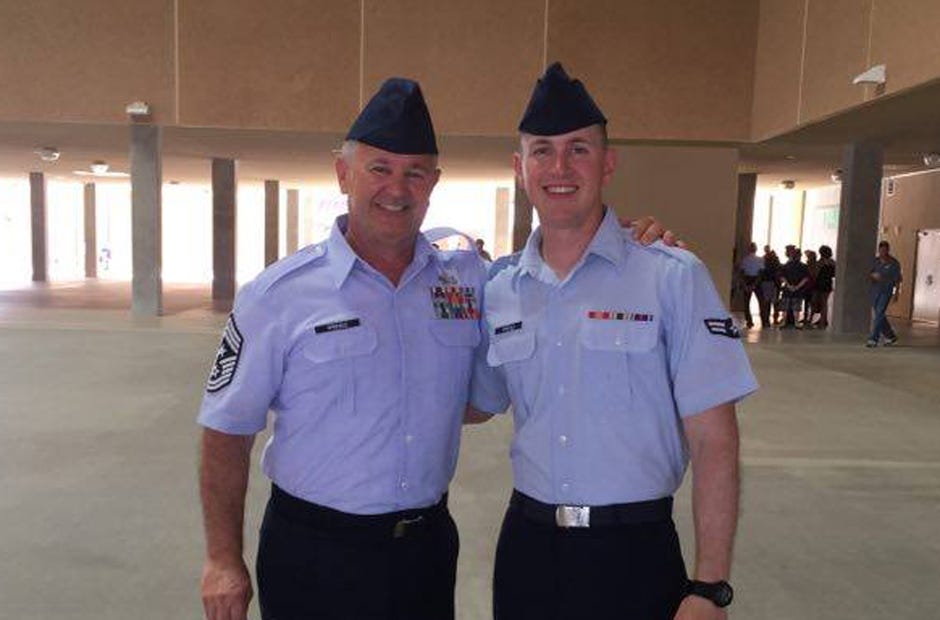
US Air Force Airman 1st Class Chris Speegle and his dad, Michael Speegle of Crestview, are pictured July 1, 2016 in San Antonio,Texas. Michael Speegle is a retired command chief master sergeant. Special to the News Bulletin

SAN ANTONIO, Texas — Two U.S. Air Force airmen graduated from basic military training at Joint Base San Antonio-Lackland, San Antonio, Texas.

They are:

•Airman 1st Class Christopher M. Speegle, the son of Michael and Michelle Speegle of Crestview. He graduated in 2007 from Crestview High School and earned a bachelor's degree in 2015 from Auburn University.

•Airman Alexander B. Blake, the son of Elliott and Michelle Blake of Crestview, and a 2015 graduate of Crestview High School.

This article originally appeared on Crestview News Bulletin: Speegle, Blake complete basic training

Delinquent Okaloosa tax receipts due

The Okaloosa County Tax Collector’s Office is collecting delinquent business tax receipts in January.

The receipts are required for businesses that provide merchandise, entertainment or services to the public, even if it's a one-person company or home-based business, according to Tax Collector Ben Anderson.

“To prevent the illusion of a scam, agents will only call during business hours, Monday through Friday, and identify themselves as Tax Collector employees. If business owners have questions, they can contact our office at 651-7300,” Anderson said.

BTRs are renewed annually and should be paid by Sept. 30 to avoid penalties. See www.OkaloosaTax.com for more information.

This article originally appeared on Crestview News Bulletin: Delinquent Okaloosa tax receipts due

Florida International satellite campus still years away

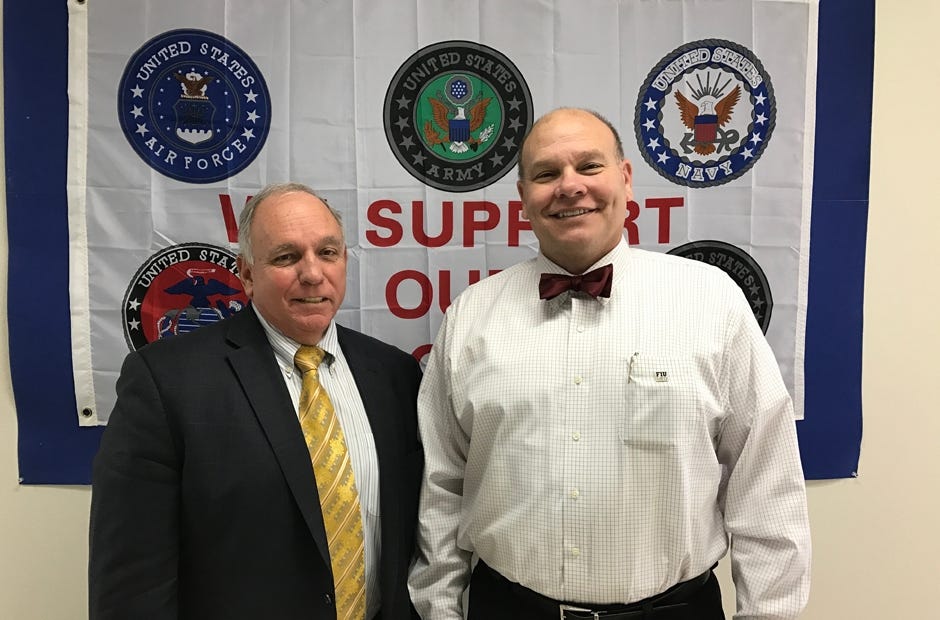
Pete Gutierrez (left) and Gary Perez (right) from Florida International University are helping to bring medical classes to Crestview. They seek to open an FIU satellite campus in the area. MARK JUDSON | News Bulletin

The details

A Crestview campus for Florida International University has been in the works since about 2009. The campus will build on an existing physician’s assistant program that allows the completion of clinical rotations and residencies for students of northwest Florida.

Rotations permit students to apply knowledge learned in the classroom in a working environment and are required in medical schools. Completion is performed at a hospital or local practice within a student’s field of study.

A provisional accreditation of the program was required before classes could be hosted. This approval was an external peer review conducted by the Accreditation Review Commission on Education for the Physician Assistant to ensure the program’s educational and professional quality.

Completion of this process takes about a year to enact and several more years to be conducted. A provisional approval was granted to the FIU PA program in Apr. 2015. This allows the program to seek a final approval known as accreditation-continued.

The ARC-PA requires five consecutive years of accreditation-continued for a program to be eligible for a satellite campus. Students are still able to complete classes, residencies and rotations without the presence of a physical campus.

Allowing students to complete their education outside the Miami area, where FIU is based, is the program’s goal. Targeting Crestview for the site was partially due to the area’s military presence according to Pete Gutierrez, the associate dean and founding chair of FIU’s physician assistant school.

The program and future campus would allow more individuals to further their education. This will help strengthen a growing medical field, according to Gutierrez.

The PA program is a master’s program requiring applicants to have a bachelor’s degree, complete the Graduate Record Exam and submit letters of recommendation.

The progress

The program accepted its first round of 45 students in Crestview in 2015, followed by another group of 45 in 2016. Second-year students began their rotations January 2017 through the program.

A satellite campus is still years away, despite the program accepting and educating students.

Accreditation-continued takes at least 18 months from where the program is now and Gutierrez expects this to be completed in 2018-19. The ARC-PA requires a program to maintain accreditation-continued for five years before becoming eligible for a satellite campus.

Students can conduct and complete their FIU PA education in northwest Florida, but don’t expect to see a campus in the area until at least 2023.

This article originally appeared on Crestview News Bulletin: Florida International satellite campus still years away

3 things to do this week in Northwest Florida

Need something to do this weekend? Check out these fun events.

1. SEE DANCERS ONSTAGE as the Eisenhower Dance Company performs "In Power & Passion" 7:30 p.m. Jan. 13 at the Mattie Kelly Arts Center, Northwest Florida State College, 100 College Blvd., Niceville. Tickets cost $25 each and are available at http://www.mattiekellyartscenter.org/EventItem.cfm?ID=1107 or at the campus box office.

2.  ENJOY CARS AND COFFEE at the Emerald Coast Cars & Coffee meetup. The group of enthusiasts meets once a month to look at each other's vehicles or anything with wheels. Hours are 9-11 a.m. Jan. 14 at Starbuck's in front of Santa Rosa Mall, 340 Mary Esther Cutoff, Mary Esther.

3. ATTEND THE 30A SONGWRITERS FESTIVAL. It has headline performances and workshops from esteemed artists such as John Prine, Cheap Trick and Dr. John & The Nite Trippers. Workshops and performances begin at 10 a.m. Jan. 13, 9:30 a.m. Jan. 14 and 9:30 a.m. Jan. 15, and continue past 10 p.m. on the main stage at Grand Boulevard, Sandestin and other venues along Scenic Highway 30A. Weekend passes are available for $275 each at http://www.30asongwritersfestival.com/. To see the schedule of performers, go to http://bit.ly/2iVqZMt.

This article originally appeared on Crestview News Bulletin: 3 things to do this week in Northwest Florida

Impact 100 elects 2017 officers

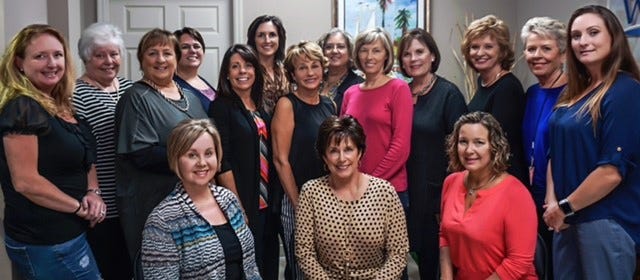
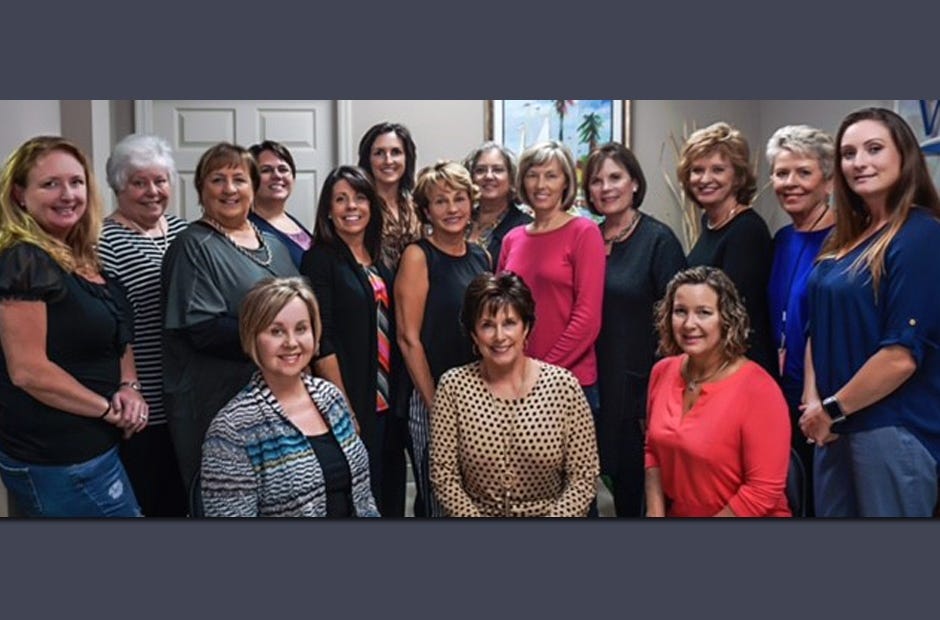
Impact 100's newly elected 2017 officers and board of directors members are pictured. They are President Teresa Bolton, Vice President Lisa Jo Spencer, Pam Woodall, secretary; Michelle Anchors; Christine Carter; Kay Crawford; Sherry Ensor of Crestview; Amanda Gordon; Cindy Graham; Dawn Hoffman; Susan Page; Jennifer Poland; Gayle Powers; Mathilda Ravine; Cindy Shanklin; Mari-Helen Skinner; Jo Stewart; and Connie Yarbro. Treasurer and Crestview resident Joanna Dean is not pictured. Special to the News Bulletin

FORT WALTON BEACH — Impact 100 of Northwest Florida — a non-profit, all volunteer organization made up of women — has new officers to guide the group in 2017.

Joanna Dean of Crestview will serve as treasurer of Impact 100, a position she also held in 2016. Dean has more than 15 years’ experience in the accounting field and has spent the past 10 years working for Speedee Cash Management Company Inc. She currently serves as the company’s chief operating officer.

Other 2017 board members are: Teresa Bolton of Santa Rosa Beach, president; Lisa Jo Spencer of Mary Esther, vice president/president-elect; Pam Woodall of Shalimar, secretary; Michelle Anchors; Christine Carter; Kay Crawford; Crestview resident Sherry Ensor; Amanda Gordon; Cindy Graham; Dawn Hoffman; Susan Page; Jennifer Poland; Gayle Powers; Mathilda Ravine; Cindy Shanklin; Mari-Helen Skinner; Jo Stewart; and Connie Yarbro.

In the past five years, Impact 100 has contributed $1,290,000 to non-profit groups in Okaloosa and Walton counties. All of these funds come from annual member donations and are provided as grants of at least $100,000.

Recipients include AMI Kids Emerald Coast, Arc of the Emerald Coast, C.O.P.E. Center of DeFuniak Springs, Destin Harvest, Emerald Coast Wildlife Refuge, GRACE Rides, Habitat for Humanity of Walton County, the Matrix Community Outreach, Okaloosa Public Schools Foundation’s Silver Sands School, Safe Connections and Shelter House.

See www.impactnwf.org for more information on the organization.

This article originally appeared on Crestview News Bulletin: Impact 100 elects 2017 officers

Students enjoy youth sewing camp

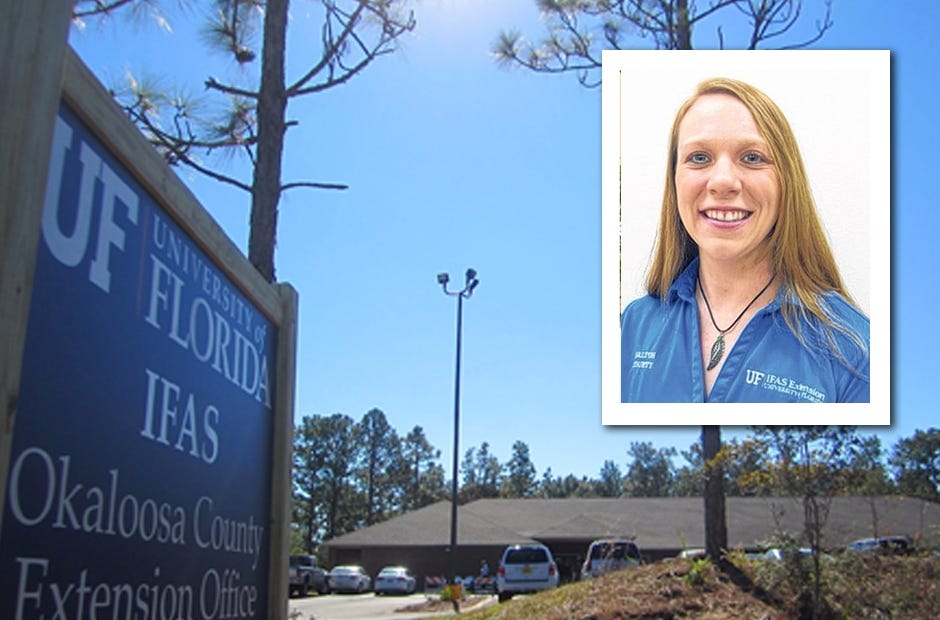
Jill Breslawski is an agent at the University of Florida's Institute of Food and Agricultural Sciences Extension office in Crestview.

I often hear parents and community members mention that life skills once taught in school or learned from helping Mom or Grandma are missing in today’s youth. Skills like cooking, letter writing and sewing are often not practiced regularly in school or in the home. 

This past week, the Family and Consumer Science program and Okaloosa County 4-H hosted a beginner's level Youth Sewing Day Camp. Participants ages 8 and up learned how to sew using a sewing machine and made two pillows to take home. By the end of the class, students were threading their machines, pivoting to sew corners, and back-stitching. Children also learned how to make a no-sew scarf. 

Volunteers from the Santa Rosa County Home and Community Education Club helped teach the class. The kids left with smiles on their faces and asked when the next class would be held. Look for an upcoming day camp in summer 2017.

Jill Breslawski is an agent at the University of Florida's Institute of Food and Agricultural Sciences Extension office in Crestview.

This article originally appeared on Crestview News Bulletin: Students enjoy youth sewing camp

error: Content is protected !!