CRESTVIEW — Chasity and Anna Horak kick a blue ball around their Shoffner City front yard while their older brother, Lucas, sits nearby, watching after his sisters.
The familiar scene belies smoke's lingering scent from a Nov. 16 fire that gutted a mobile home they shared with their parents, Charles and Paula Horak.
“What the fire didn't get, the smoke and water did,” Charles Horak stated in a Facebook post. “Our kids were left with the clothes on their backs.”
ELECTRICAL PROBLEMS
North Okaloosa Fire District Chief Ed Cutler's report attributes the Tate Lane residence's fire to “an electrical problem.”
An electrical distribution box in the west bedroom shared by Chasity, 10, and Anna, 12, was the “equipment involved in ignition," his report states.
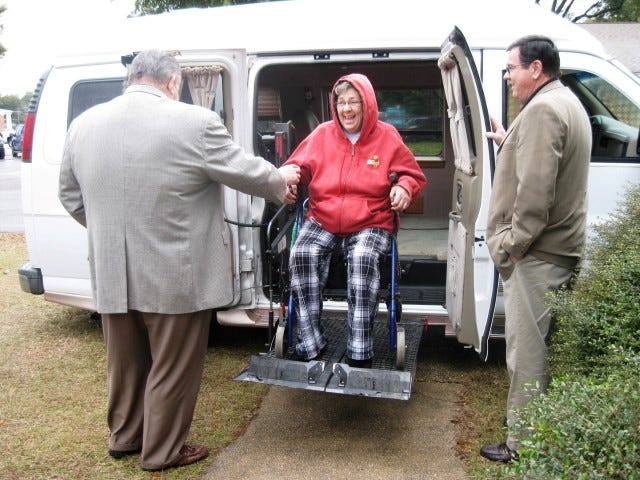
See 23 photos of the Horak family visiting their old home>>
Horak, a concrete contractor, said he reported concerns about the electricity to property managers Paul Barto and Rick Hunter as early as July.
“When I would shut the door to the bedroom, the lights would go out, and all the outlets were worn out,” Horak said. “The night before (the fire), the heater was popping the breakers. It’s never done that before.”
“From our point of view, he didn’t do due diligence,” Barto said. “The breaker did its job. He kept resetting it. That caused the fire.”
Barto said their electrician tried to contact Horak several times, but they kept missing each other.
“The electrician could never get a-hold of him,” Barto said.
“I explained to the landlord, 'You own the house, you have a key and you can let the electrician in any time you want,'” Horak said.
'HE STEPPED UP'
No one was injured when the fire broke out that Sunday afternoon. Horak and Lucas, 15, were in the front yard when they heard the smoke detector go off.
Horak ran in to rescue his daughters’ pet ferrets; Lucas called 911. Thinking his sisters, who had escaped, were still in the house, Lucas broke their bedroom window to rescue them.
“I was impressed by my son,” Horak said. “As much as brothers and sisters argue, when it came down to it, he stepped up as a big brother.”
The fire quickly spread from one end of the home to the other, filling the residence with thick, black smoke and preventing Horak from saving furniture or clothing.
The NOFD report states firefighters were on the scene two minutes after the 3:32 p.m. alarm was raised, and had the fire under control within 16 minutes.
UNCERTAIN FUTURE
The family is living with Horak’s sister while they wait to hear from Barto and Hunter, who visited the site after the fire.
“I haven’t heard anything since,” Horak said. “Not ‘How are you doing? How’s your family?’"
The family’s month-to-month lease, executed in July, includes a provision for termination if the property is “destroyed through fire, act of God, nature or accident.”
Barto said he and Hunter have no vacant property to offer the family, and have no plans to replace the mobile home.
“We’re not in position to buy a new one right now,” he said.
The Horaks have started an online GoFundMe account to rebuild their lives, find a new home and replace some of their belongings, which the fire report valued at $15,000.
‘A GOOD LESSON’
As his family sorted through a few water-soaked possessions, Charles Horak grew philosophical.
“It was a good lesson,” he said. “Get flippin’ renters insurance and knock on the landlord’s door instead of calling them” to report a problem.
A house fire, he said, “is the kind of thing you think will never happen to you.”
“It’s a bad situation,” Barto said. “But we’re not the bad guys he’s making us out to be.”
HOW TO HELP
Donate to help the Horak family replace belongings they lost in a Nov. 16 fire>>
Email News Bulletin Staff Writer Brian Hughes, follow him on Twitter or call 850-682-6524.
This article originally appeared on Crestview News Bulletin: Family salvages items from house fire, seeks help to start over (VIDEO)