Please ensure Javascript is enabled for purposes of website accessibility
Skip to main content
Advertisement
Advertisement

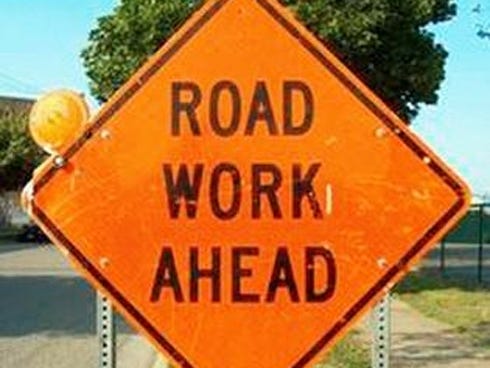
Crews schedule night-time repairs, re-route on State Road 85

Night time road work is scheduled Jan. 26 on southbound State Road 85 Jan. 26, with rerouting to the new bridge planned Jan. 27. Pixabay.com

CRESTVIEW — The northbound outside lane of State Road 85 will not be available temporarily as road crews repair lighting.

The lane closure is 9-11 p.m. Jan. 26 at the Interstate 10 overpass. The route for southbound State Road 123 drivers will shift to the newly constructed bridge Jan. 27. Crews will halt traffic temporarily during the shift.

No additional traffic impacts are anticipated.

Use caution, especially at night, when traveling through the construction zone, and pay attention as workers will be entering and exiting the work area. All activities are weather-dependent and may be delayed or rescheduled due to inclement weather.

This article originally appeared on Crestview News Bulletin: Crews schedule night-time repairs, re-route on State Road 85

8 questions these Crestview folks often hear

Taylor Tidwell, of Casbah Coffee Company. MARK JUDSON | News Bulletin

CRESTVIEW — Being an expert means having detailed knowledge about whatever it is one is an expert of. Therefore, experts are often questioned about their field, job, advice or sometimes matters not related to their job at all.

What are the most common questions some Crestview professionals receive? Here's a sample. 

  • “ 'What’s your soup of the day?' gets asked a lot. Servers get, 'What’s your best pizza?' by people who have never been here before." — Kirk Williams, cook, Hideaway Pizza
  • “ 'What flavors do you guys have?' or really anything about our menu; the coffee, the food, the cookies. 'What’s your Wi-Fi password?' is another really common one." — Taylor Tidwell, barista, Casbah Coffee Company
  • " 'Where’s my paycheck at?' or some kind of joke, sarcastic question I get a lot but it’s usually people having fun like that." — Marvin Gee, carrier, United States Postal Service
  • “ 'Where’s a good place to eat?' People always want to know where the best food is in town." — Linda Roper, leasing consultant, Spring Creek Apartments
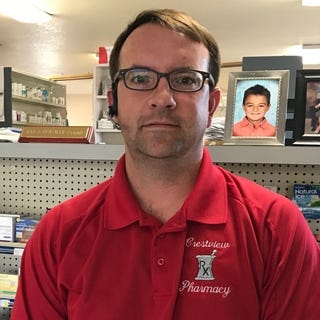
  • "Mostly questions related to medicine such as recommendations on over-the-counter medications or side effects."  — Hal Densman, pharmacist, Crestview Pharmacy
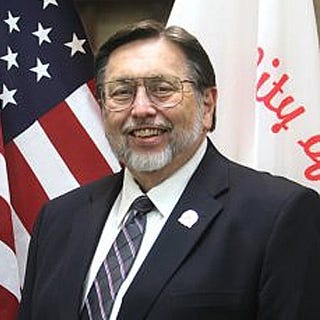
  • "Questions about transportation, especially [State Road] 85, and I guarantee that’s the question almost all our elected officials receive." — David Cadle, Crestview mayor
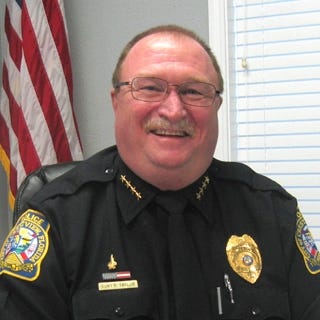
  • " 'What does it take to be an officer?' A lot of people want to know about the requirements and the schooling you have to do to join." — Tony Taylor, chief, Crestview Police Department
  • "When people see me in uniform they ask what branch I’m in. When they can tell I’m Army, or know about it, they ask what I do." — Keifer Guizard, Private Second Class, U.S. Army

This article originally appeared on Crestview News Bulletin: 8 questions these Crestview folks often hear

Prepare for health care costs during retirement

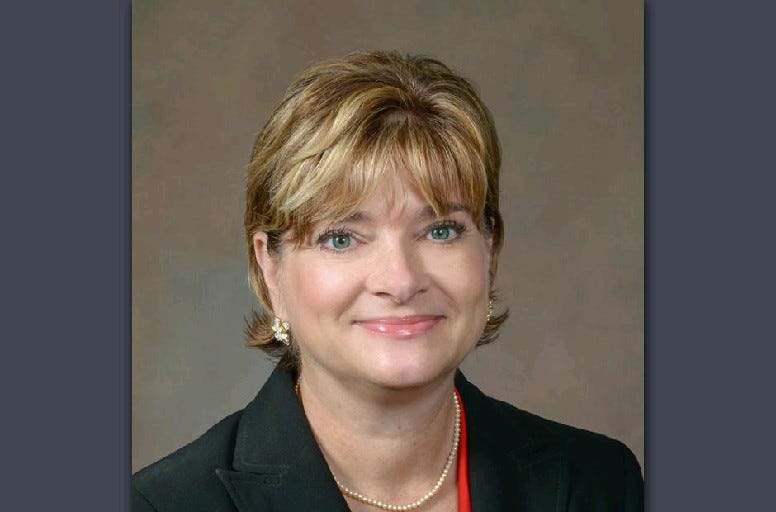
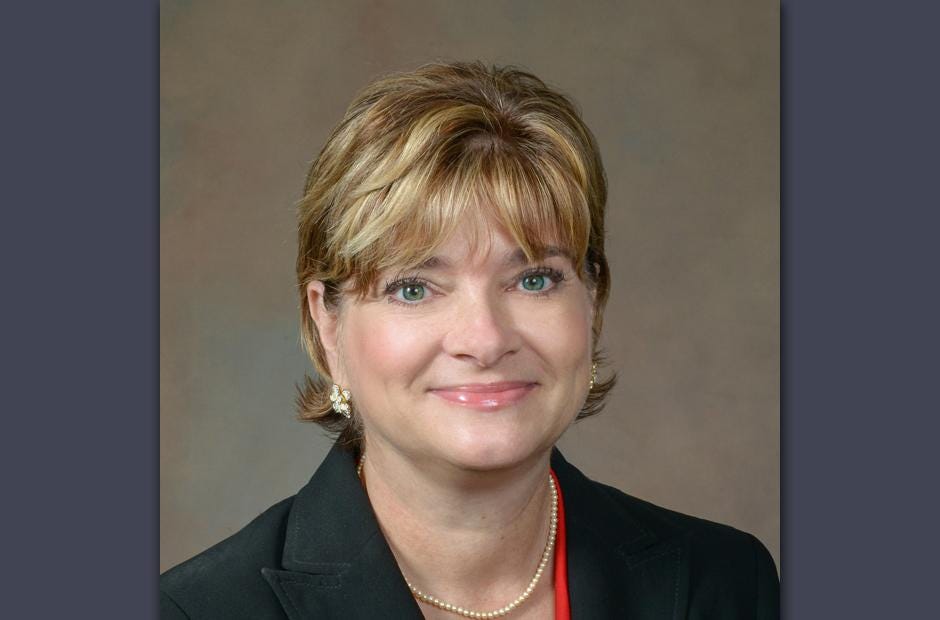
Yvonne Shanklin (Special to the News Bulletin)

As you save and invest for retirement, what are your ultimate goals? Do you plan on traveling the world? Purchasing a vacation home? Pursuing your hobbies?

People often think and plan for these costs. Yet, too often, many of us overlook what potentially could be a major expense during our retirement years: health care.

By preparing for these costs, you can help yourself enjoy the retirement lifestyle you've envisioned.

Many of us may ignore the impact of health care costs because we just assume Medicare will pay for everything. But that's not the case. In estimating health care costs during retirement, you may find that $4,000 to $6,000 per year per person for traditional medical expenses is a good starting point, although the amount varies by individual.

Furthermore, this figure does not include the costs of long-term care, which can be considerable. To illustrate: The national average for home health aide services is about $45,000 per year, and a private room in a nursing home is about $84,000 per year, according to a recent survey by Genworth, a financial security company.

So what can you do to help cope with these costs? Here are a few suggestions:

Estimate your costs. Try to estimate what your out-of-pocket health care costs might be, based on your health, your age at retirement, whatever supplemental insurance you may carry and other factors.

Know the key dates. Things can change in your life, but try to identify, as closely as possible, the age at which you plan to retire. This will help you spot any coverage gaps before you become eligible for Medicare at age 65. Also, be aware of the seven-month window for enrolling in Medicare, beginning three months before your 65th birthday.

Review your insurance options. Medicare-approved insurance companies offer some other parts to Medicare, including Part D, which covers prescription drugs; Medigap, which covers gaps in Parts A and B (in-hospital expenses, doctor services, outpatient care and some preventive services); and Part C (also known as Medicare Advantage, which is designed to replace Parts A, B, Medigap and, potentially, part D). You have several options for Part D, Medigap and Medicare Advantage, each with varying coverage and costs, so choose the plans that best fit your needs. (To learn more about Medicare and supplemental insurance, go to www.medicare.gov.)

Develop a long-term care strategy. To meet long-term care costs, you could self-insure or purchase insurance coverage. To learn about long-term care insurance solutions, contact your financial advisor.

•Invest for growth and rising income. Health care costs typically rise as you move further into retirement, so make sure that a reasonable portion of your assets is allocated to investments with the potential for both growth and rising income.

•Think about health care directives. If you were to become incapacitated, you might be unable to make health care decisions — and these decisions may affect not only your quality of life but also your financial situation, and that of your family. Talk to your legal advisor about establishing a health care directive, which allows you to name someone to make choices on your behalf.

Health care costs during your retirement may be unavoidable. But by anticipating these costs, you can put yourself in a position to deal with them — and that's a healthy place to be.

This article was written by Edward Jones on behalf of your Edward Jones financial adviser.
Yvonne Shanklin

This article originally appeared on Crestview News Bulletin: Prepare for health care costs during retirement

Library sets teddy bear hunt

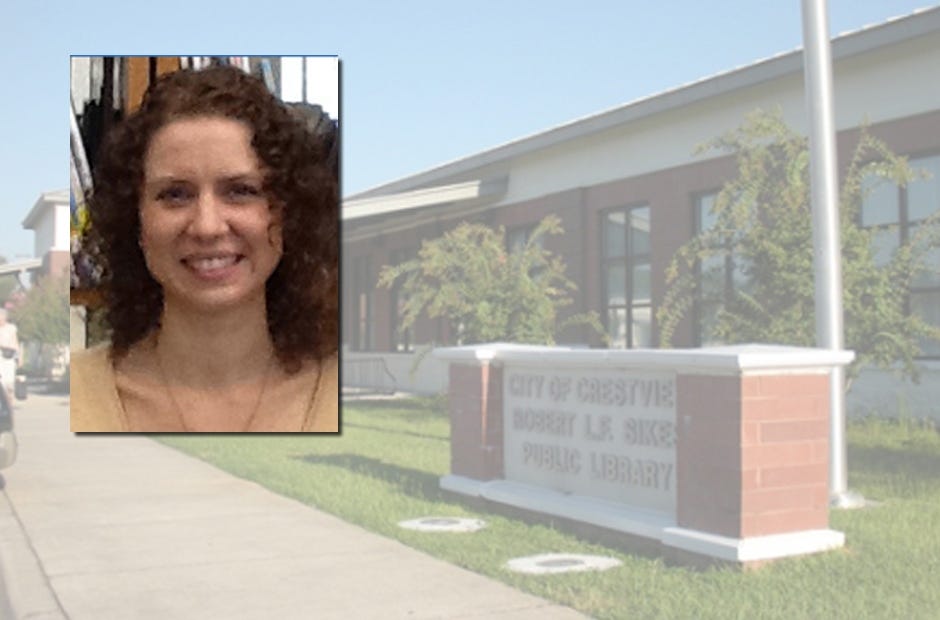
Heather Nitzel is the Crestview Public Library's youth services librarian.

We’re going on a bear hunt! In addition to the bear hunt, we will read some stories and treat our bears to a Teddy Bear Tea.

The hunt starts at 6:30 p.m. Jan. 26 at the library, 1445 Commerce Drive, Crestview. Registration is recommended as eight spots were left as of Jan. 19. Call 682-4432 or come in to register.

To participate, someone in the registered party must be ages 3 to 14. Attendees may wear modest pajamas, and bring a teddy bear, flashlight and six cookies to share. It would help if the cookies are individually wrapped.

The hunt will end about 7:15 p.m. Thanks to the Friends of the Crestview Library for helping to make this Family Library Time free for attendees.

Heather Nitzel is the Crestview Public Library's youth services librarian.

Here are upcoming Crestview Public Library-related events. The library's address is 1445 Commerce Drive.

AGES 3-5 LIBRARY CLASS: 10:15 a.m. Tuesdays, Crestview library. Topics are: Jan. 31, Clothing; Feb. 7, Eye Care; Feb. 14, Valentines; Feb. 28, African Tales; March 7, Farm to Table; March 14, In Our Garden; March 28, Flying High; April 4 and 11, Easter; April 25, Environmental Center Field Trip; May 2 and 9; Praiseworthy Parents.

AGES 0-2 LIBRARY CLASS: 10:15 a.m. Thursdays and 9:15 a.m. Fridays, Crestview library. Limited to 30 children per class. Topics are: Feb. 2-3 and 9-10, Baby Love; Feb. 16-17, and Feb. 23-24, Birthdays; March 2-3 and 9-10, Chicks & Ducklings; March 16-17, Growing & Gardening; March 23-24 and 30-31, Animal Sounds; April 6-7, and 13, Spring and Easter; April 20-21 and 27, Wildlife; May 4-5 and 11-12, Praiseworthy Parents.

FAMILY LIBRARY TIME: for ages 4 and up at the Crestview library.

●6:30-7:15 p.m. Jan. 26, Crestview library. Bear hunt for ages 4 and up. Wear pajamas and bring a teddy bear, flashlight, and six cookies to share. Limited to first 30 children; registration recommended.

●6:30-7:15 p.m. Feb. 21, Pelican Pickers music for the young and young at heart.

●6:30-7:15 p.m. March 21, Beekeeping with Bundrick Honey Farms.

●6:30-7:15 p.m. April 18, Nonie's Ark visit. Registration limited to first 30 children ages 4 and up only

FREE TAX PREPARATION AND FILING: 2-6 p.m. Mondays and 10 a.m. to 2 p.m. Tuesdays, Thursdays and Saturdays, Feb. 2 through April 18. First-come, first-served.

FIRST TUESDAY LECTURE: 10:30 a.m. Feb. 7, "Cooking Matters with Healthy Okaloosa," by Chandra Williams of the Okaloosa County Health Department. Attendees will gain hands-on learning through activities such as an onsite pop-up grocery store tour, making easy healthy recipes and playing interactive games.

MUSIC AT THE LIBRARY: 6-7:30 p.m. Feb. 13, March 13 and April 10, Crestview Public Library, 1445 Commerce Drive. Guitarist Jose Diaz will perform. Call 682-4432 to schedule a performance date.

READ TO DOZER: First Saturdays, 10-11 a.m.; for children ages 4 and up.

Channels:
FL_Crestview_Online

UPCOMING

This article originally appeared on Crestview News Bulletin: Library sets teddy bear hunt

Okaloosa Saves sets economic expo

Okaloosa Saves and the University of Florida Institute of Food and Agricultural Sciences are hosting the 2017 Eco-Nomic Living Expo. The event offers consumer information on smart choices for money, home, health and environment. Pixabay.com

MARY ESTHER — Okaloosa Saves and the University of Florida Institute of Food and Agricultural Sciences will host the 2017 Eco-Nomic Living Expo.

The event — set for 10 a.m. to 3 p.m. Feb. 11 at Santa Rosa Mall, 300 Mary Esther Blvd. — offers information on how residents can make smart choices for their money, home, health and environment. It is free to attend.

Activities includes seminars, kids' activities and exhibits from financial institutions, green or sustainable businesses and builders, fitness and healthcare organizations and utility companies, among others.

Free tax preparation — for area residents with annual income under $53,505 — will be available, as will document shredding, piggy bank challenges for children and businesses, and prizes and giveaways.

Call the University of Florida Institute of Food and Agricultural Sciences extension office, 689-5850, or go to http://economiclivingexpo.com/ for more information.

This article originally appeared on Crestview News Bulletin: Okaloosa Saves sets economic expo

Prepare for health care costs during retirement

Yvonne Shanklin (Special to the News Bulletin)

As you save and invest for retirement, what are your ultimate goals? Do you plan on traveling the world? Purchasing a vacation home? Pursuing your hobbies?

People often think and plan for these costs. Yet, too often, many of us overlook what potentially could be a major expense during our retirement years: health care.

By preparing for these costs, you can help yourself enjoy the retirement lifestyle you've envisioned.

Many of us may ignore the impact of health care costs because we just assume Medicare will pay for everything. But that's not the case. In estimating health care costs during retirement, you may find that $4,000 to $6,000 per year per person for traditional medical expenses is a good starting point, although the amount varies by individual.

Furthermore, this figure does not include the costs of long-term care, which can be considerable. To illustrate: The national average for home health aide services is about $45,000 per year, and a private room in a nursing home is about $84,000 per year, according to a recent survey by Genworth, a financial security company.

So what can you do to help cope with these costs? Here are a few suggestions:

Estimate your costs. Try to estimate what your out-of-pocket health care costs might be, based on your health, your age at retirement, whatever supplemental insurance you may carry and other factors.

Know the key dates. Things can change in your life, but try to identify, as closely as possible, the age at which you plan to retire. This will help you spot any coverage gaps before you become eligible for Medicare at age 65. Also, be aware of the seven-month window for enrolling in Medicare, beginning three months before your 65th birthday.

Review your insurance options. Medicare-approved insurance companies offer some other parts to Medicare, including Part D, which covers prescription drugs; Medigap, which covers gaps in Parts A and B (in-hospital expenses, doctor services, outpatient care and some preventive services); and Part C (also known as Medicare Advantage, which is designed to replace Parts A, B, Medigap and, potentially, part D). You have several options for Part D, Medigap and Medicare Advantage, each with varying coverage and costs, so choose the plans that best fit your needs. (To learn more about Medicare and supplemental insurance, go to www.medicare.gov.)

Develop a long-term care strategy. To meet long-term care costs, you could self-insure or purchase insurance coverage. To learn about long-term care insurance solutions, contact your financial advisor.

•Invest for growth and rising income. Health care costs typically rise as you move further into retirement, so make sure that a reasonable portion of your assets is allocated to investments with the potential for both growth and rising income.

•Think about health care directives. If you were to become incapacitated, you might be unable to make health care decisions — and these decisions may affect not only your quality of life but also your financial situation, and that of your family. Talk to your legal advisor about establishing a health care directive, which allows you to name someone to make choices on your behalf.

Health care costs during your retirement may be unavoidable. But by anticipating these costs, you can put yourself in a position to deal with them — and that's a healthy place to be.

This article was written by Edward Jones on behalf of your Edward Jones financial adviser.

This article originally appeared on Crestview News Bulletin: Prepare for health care costs during retirement

Plan to reduce summer weeds

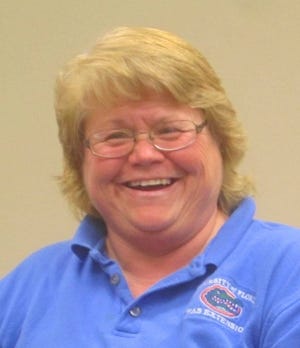
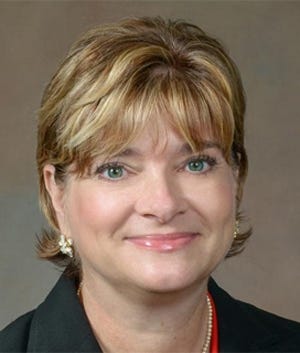
It's time to start thinking about weed prevention, according to University of Florida extension agent Sheila Dunning. Special to the News Bulletin

Remember last summer’s hot, dry days and grass drying up and turning brown? Yet, weeds were green and doing fine. Those weeds flourished and dispersed seed everywhere. Now, they are just sitting there ready to sprout again.

It's time to start thinking about weed prevention. Every herbicide label warns against application when temperatures are above 85 degrees and especially under drought conditions. Pre-emergent herbicides must be applied before seed germination.
Late winter is the time to focus on summer annual weeds. The narrow window for application is challenging. Homeowners often wait too late into spring to put out preventive products.

A general rule of thumb for pre-emergent herbicide timing is Feb. 15 through March 1 in North Florida. However, weed seeds germinate in response to soil temperature, not calendar dates.

By monitoring daytime temperatures, one can determine a more effective application date. When there are four to five consecutive days that reach 65 to 70 degrees, weeds will germinate. This generally coincides with the first blooms appearing on azaleas and dogwoods. With a warm winter, it may occur as early as mid-January.

Some active ingredients in pre-emergent herbicides include dithiopyr, isoxaben, oryzalin, pendimethalin, prodiamine and simazine. Always read the label for the specific weed controlled and observe all directions, restrictions and precautions.

Weed and feed products that contain nitrogen are not suitable as pre-emergent herbicides. Irrigation is necessary before and after an application to activate these products. The chemical binds to soil particles, creating a barrier that remains effective for six to 12 weeks. Reapplication will be necessary for season-long control, especially with constantly fluctuating winter temperatures.

Now is the time to purchase pre-emergent herbicides and prepare to apply them. Go to http://edis.ifas.ufl.edu/ep141 for more information on weed control in lawns.

Sheila Dunning is an agent at the University of Florida's Institute of Food and Agricultural Sciences Extension office in Crestview.

This article originally appeared on Crestview News Bulletin: Plan to reduce summer weeds

error: Content is protected !!