Please ensure Javascript is enabled for purposes of website accessibility
Skip to main content
Advertisement

EXTENSION CONNECTION: WOLF program provides outdoor education, leadership

Environmental education can be a very broad topic. The study of how living organisms interact within their environment can be very complicated, especially when we factor in the human element. An Okaloosa County 4-H program called Wildlife Outdoor Leadership Focus (W.O.L.F.) was created to address the human dimension of natural resources.

Basically, this is a youth conservation program dedicated to making participants aware of the importance of natural resources recreation, and to apply the art and science of natural resource management. W.O.L.F. has three main objectives.

Objective 1 Learn the Importance of Natural Resources

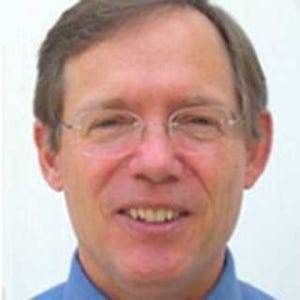
Ronnie Cowan

The W.O.L.F. program starts by explaining why these natural resources are important. For example, outdoor activities such as hunting, fishing, boating and wildlife viewing contribute over $25 billion to the state of Florida. People are very passionate about their outdoor activities. Florida hunters average nearly $3,000 per person on hunting expenditures per year! Our state has a vast stakeholder interest. Nearly 6 million people participate in wildlife/fisheries activities every year in Florida. The L in W.O.L.F. stands for leadership. Local, state, and federal leaders make important decisions every year regarding natural resource management. Teddy Roosevelt, our 26th President of the United States, established 230 million acres of public land for all to enjoy. Government still protects many of our natural resources today. Florida is home to 175 state parks.

Objective 2 Apply Theory and Practice Conservation 

W.O.L.F. participants receive hands-on practice of being a conservationist. The program teaches 4-H members the science and art behind wildlife management. Florida 4-H has a virtual Wildlife Outdoor Leadership Focus (W.O.L.F.) Day Camp were youth can learn at their own pace. The camp has five sections: Woods and Fields, Freshwater, Saltwater, Survival, and Biologist life. Each day has videos and activities that offer up a daily challenge. W.O.L.F. campers learn about wildlife/plant identification, and what specific wildlife species need to survive. Furthermore, we show youth how our actions, intentional or unintentional, affect the environment we live in. the virtual day camp also covers basic biology of mammals, birds, fish, and reptile. Participants are encouraged to go out with adult supervision and see what’s going on in the great outdoors.

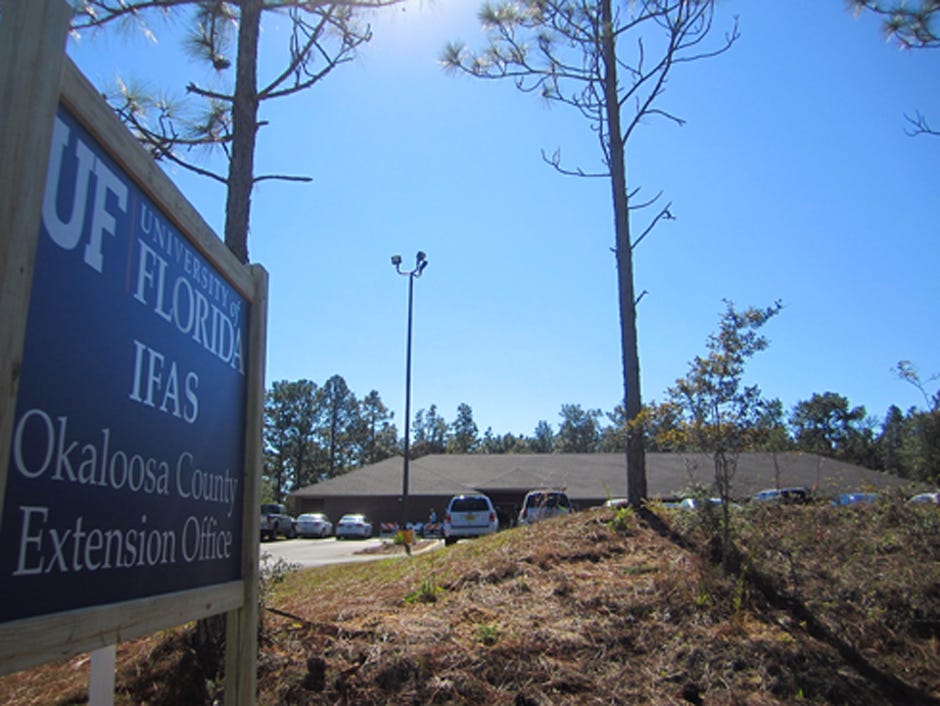
The University of Florida Institute of Food and Agricultural Sciences Extension Office for Okaloosa County is located in Crestview.

The final activity is the wildlife challenge where campers must be a wildlife biologist for a day. 4-H members are given a scenario with three wildlife species that the landowner wants to manage for on a piece of property. The camper must evaluate the property based on the requirements that the three wildlife species need in order to survive. The camper completes a wildlife management plan. They look at the best management practices given to them during the course and decide if the property is habitat for the desired wildlife species. If it is not, they must offer a solution. For example, the landowner wishes to have more northern bobwhite quail on the property, but the land is covered in mature hardwoods. The campers are expected to make a recommendation. They learned that quail need shrubs, native grasses, and forbs.

Objective 3 Career Development and Multi-Science Approach

The W.O.L.F. program is also intended to spark awareness about the professionals who work with our natural resources. Participants virtually meet biologists, wildlife officers, and other natural resource professionals. Each career video will explain how they help our environment. Campers will get to see what it would be like if they had their jobs. The program does not just stop with wildlife and fisheries science careers. The program explains many more sciences. 4-H members will learn about soil science, forestry, engineering, math, agriculture, and technology to name a few. The only thing your youth will need is a love for the outdoors. If you are interested in W.O.L.F. Camp please reach out to your local 4-H Agent. The W.O.L.F. Program will also be available as a virtual project In Okaloosa.

Ronnie Cowan is the 4-H Director at the University of Florida's Institute of Food and Agricultural Sciences Extension office in Crestview.

This article originally appeared on Crestview News Bulletin: EXTENSION CONNECTION: WOLF program provides outdoor education, leadership

EXTENSION CONNECTION: These are the 3 steps to successful food plots

When people put in food plots and are not successful, I normally see the following three problems as the causes. 

First, they didn’t consider soil pH or fertility. Second, they didn’t choose the right plant varieties for our area. Third, they didn’t manage weeds properly or at all. 

Following these three steps can help establish a successful food plot.

The University of Florida Institute of Food and Agricultural Sciences Extension Office for Okaloosa County is located in Crestview.

1. Soil pH and fertility

Often wildlife enthusiasts ignore soil pH and fertility. If the soil pH isn’t right, fertilization is a waste of time and money. 

Different plants have different needs. Some plants need more phosphorus than others. Some need more iron or zinc or copper. The availability of these elements not only depends on whether they are present in the soil but also on the soil pH. 

"Test, Don’t Guess!" It takes a week or two to get the full soil sample results back and costs only $10 per sample. That’s a pretty cheap investment to insure a successful food plot. 

This clover food plot has an exclusion cage added to show the amount of forage that has been eaten.

2. Variety selection

Cool season food plots are generally used as attractants for hunters. They do provide some nutrition for the wildlife as well. The goal is to select forages that are desirable to the animals, as well as use forages and varieties that grow well in our area. 

Some great choices include oats, triticale, clovers, daikon radish and Austrian winter peas. We recommend a blend, because it extends the length of time that forages are available to the animals, as well as decreased risk of food plot failure. 

For more information on recommended cool season forages, go to https://edis.ifas.ufl.edu/ag139.

3. Weed management

Often tilling the food plot prior to planting is enough to manage most weeds. This is OK when you have native weeds on relatively flat land. If erosion is an issue or if more problematic weeds such as cogongrass are present, a different weed management strategy is recommended. 

Glyphosate is a good choice as it is a broad spectrum herbicide that will not negatively affect the food plot. Spray the area with glyphosate 3-4 weeks prior to planting to give it time to kill the weeds. 

Also, remember that many herbicides are not effective during droughts, so we either need to wait until we have rainfall or work with your extension agent to find a solution that will work for your situation.

These three steps are crucial to successful food plots. 

First, get your soil pH right and then fertilize properly. Next, choose the right forages and varieties to plant. Then control the weeds so they don’t choke out your food plots. The next step is to enjoy this hunting season. 

For more information on wildlife food plots, you can contact your local county extension agent.

Jennifer Bearden

Jennifer Bearden is an agent at the University of Florida's Institute of Food and Agricultural Sciences Extension office in Crestview.

This article originally appeared on Crestview News Bulletin: EXTENSION CONNECTION: These are the 3 steps to successful food plots

HAPPENINGS: Stay safe, physically and financially

As if dealing with COVID-19 wasn't enough, we are dealing with the aftermath of hurricanes and watching for potential hurricanes.

Make sure you keep your gas tank full, have plenty of canned food, water and pet food on hand and keep your prescriptions filled in case we get a hurricane. Hurricane season runs through Nov. 30.

We are also dealing with criminals trying to perpetuate scams that take advantage of the vulnerable among us.

Now that Medicare has given different numbers out for medical insurance, don't provide your Social Security number unless there is a very good reason for it.

Your number is needed to open a bank account, get a loan, file your taxes, for employment and some other financial transactions.

It is not needed by your doctor, the hospital, pharmacy or other medical facility. If someone demands your Social Security number, ask them why they need it and it if isn't for a legitimate reason, don't give it to them.

Years ago, Jim took me to an urgent care in Fort Walton Beach as I needed a prescription for physical therapy. The women working the front desk were extremely rude and condescending. They told me that I wouldn't be seen unless I gave them my Social Security number.

When I asked why they needed it, their answer was, "We might need to sue you." We had good insurance and paid the co-pay at the time of service, so I knew they were doing something underhanded. Always be on your guard.

Remember, if an investment or arrangement seems too good to be true, it undoubtedly is a set-up to part you and your hard-earned money.

Before you invest in anything, talk over the details with your family and trusted friends, and ask for references from the person making the sale. Many times your family will bring needed information to the table — which may keep you from having your money stolen.

Janice Lynn Crose

While we have the desire to help those affected by Hurricane Laura, please give through your church or a reputable charity such as the Salvation Army, Samaritan's Purse or others.

Don't give out your credit card information to anyone that calls soliciting relief money for families affected by the hurricane.

Someone calling and claiming they are with a certain charity may be looking for a quick buck by stealing your credit card or banking information. Keep your personal information safe. Don't carry your Social Security card in your wallet.

Remember that the Social Security office doesn't call and claim that your number will expire if you don't verify it with them. The IRS doesn't call and ask for payment with iTunes gift cards or any other type of gift card.

Scammers can fake their caller ID, making it look as though they are legitimate.

If you are the victim of a crime such as these or any others, please call the Crestview Police Department at 850-682-2055 or the Okaloosa County Sheriff's Department at 850-689-5650.

Janice Lynn Crose, a former accountant, lives in Crestview with her husband, Jim; her two rescue collies, Shane and Jasmine; and two cats, Kathryn and Prince Valiant.

This article originally appeared on Crestview News Bulletin: HAPPENINGS: Stay safe, physically and financially

EXTENSION CONNECTION: The science of sharks, and 6 ways to avoid attacks

When one thinks of the Emerald Coast, visions of sparkling water, baby-powder beaches, rental houses and high-rises interwoven with seafood and pizza restaurants appear. The coast is dotted with fishing boats, pirate ships and dolphin cruises and the beaches are littered with people. 

More: SHARK PHOTOS: Great white shark caught on the Navarre fishing pier

But it is what glides under the water that some people are curious about. “Are there sharks in the water here?” is a question I often get from locals and tourists alike. The answer is yes, sharks call saltwater home. 

More: 2,000-pound great white shark pings about 100 miles from Destin

Sharks evoke a variety of emotions in people. Some folks are fascinated and list shark fishing and diving with a shark on their bucket lists. Others are terrified, convinced that sharks only exist to hunt them and bite them while they take a swim. 

More: ‘Crazy’ shark draws Okaloosa beachgoers’ attention (PHOTOS, VIDEO)

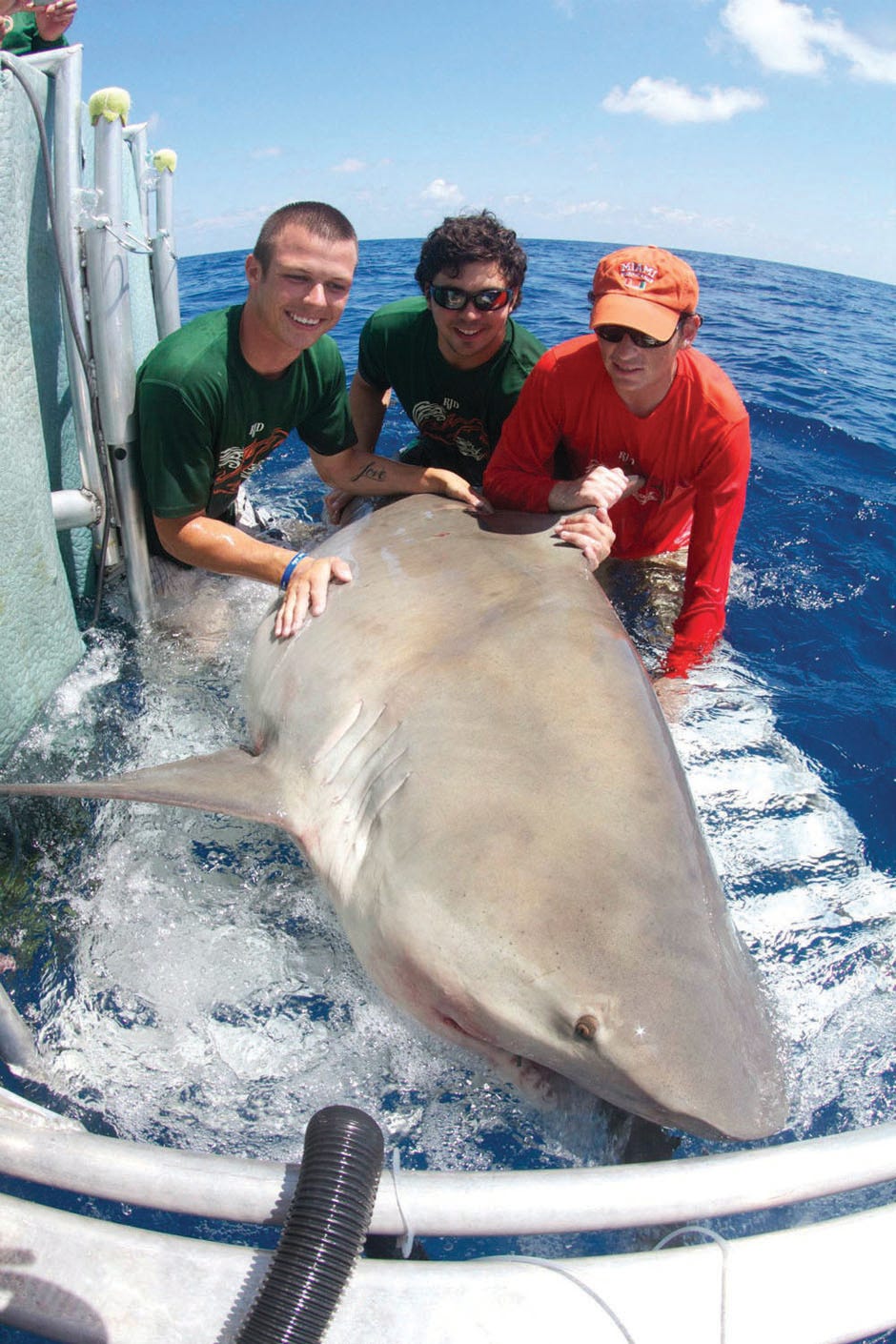
Florida bull sharks are one of the 12 species in Northwest Florida.

Unfortunately for the sharks, their appearance plays into this later fear, with sharp teeth, unblinking eyes and sleek bodies.

The reality is that most sharks only grow up to three feet in length and eat small crabs and shrimp, not humans. But it is true that bull, tiger and white sharks are all large sharks that have been known to attack humans. 

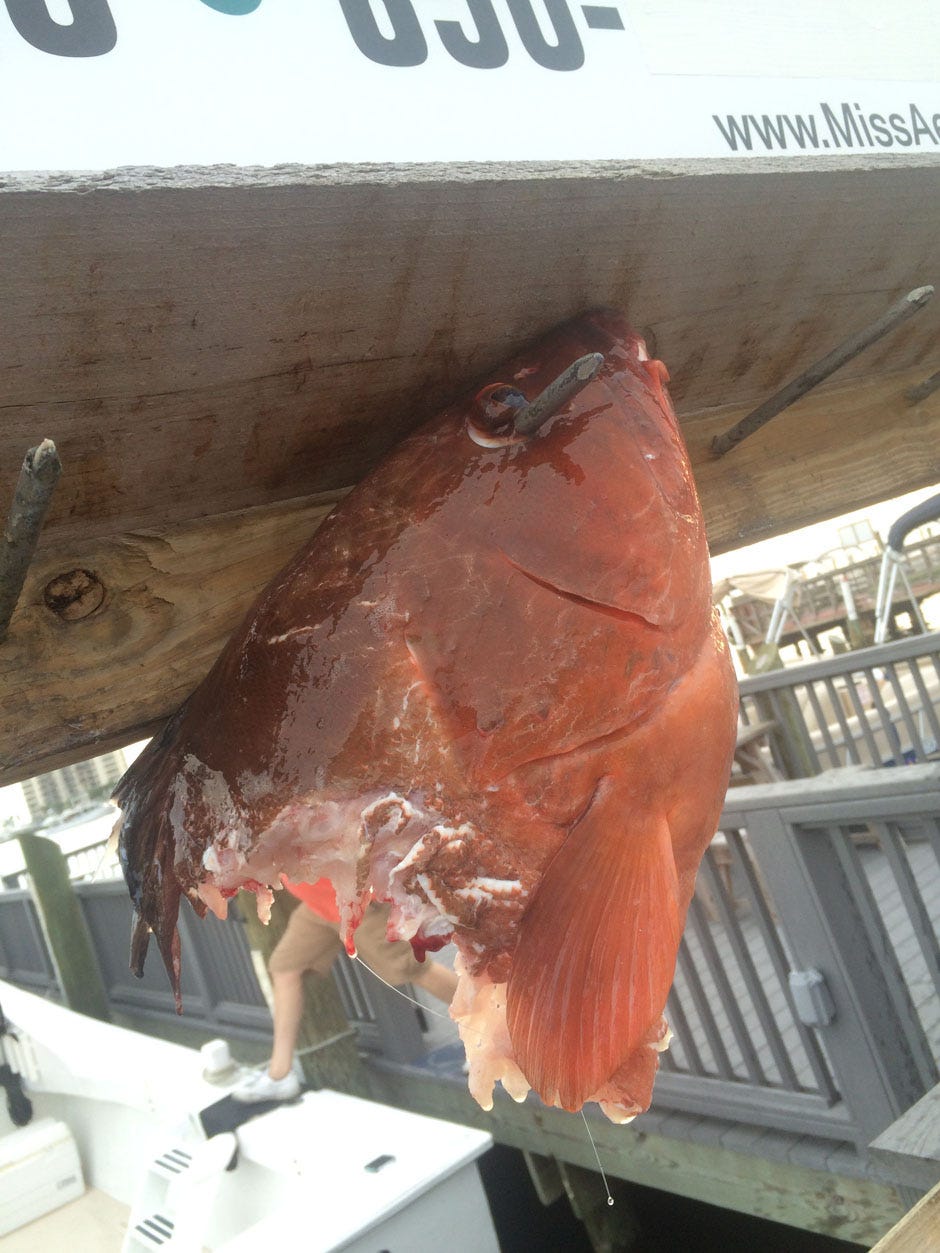
A shark bit this red snapper.

Of the 540 different species of sharks in the world, there are about 12 that call the Emerald Coast home, including Atlantic sharp nose, bonnet head, blacktip, bull, dusky, great white, hammerhead, nurse, mako, sand, spinner, and tiger. 

They don’t all stick around all year, with some migrating south in the winter, while others migrate north.  

Sharks use their seven senses to interpret their environment: smell, sight, sound, pressure, touch, electroreception, and taste. Most shark attacks occur when a human is mistakenly identified as prey. There are some easy measures you can take to reduce the risk.   

•Swim with others. This may intimidate sharks and allows someone to go for help if a bite occurs.   

•Remove jewelry, as it can look like an attractive shiny fish underwater.   

•Don’t swim where folks are fishing, as bait in the water may attract sharks.  

•Pay attention to any schools of baitfish in the area that may be attracting sharks.   

Laura Tiu

•Do not swim at dusk or dawn, when visibility may be poor. 

•Learn how to identify various shark species 

Remember, shark attacks on humans are rare. Reports of stepping on stingrays, jellyfish stings, lightning, dangerous surf conditions and car accidents greatly outnumber the number of shark attacks every year. 

For more information, go to www.floridamuseum.ufl.edu/sharks/education-resources/.

Laura Tiu is an agent at the University of Florida's Institute of Food and Agricultural Sciences Extension office in Crestview.

This article originally appeared on Crestview News Bulletin: EXTENSION CONNECTION: The science of sharks, and 6 ways to avoid attacks

HAPPENINGS: Various ways to help those affected by recent hurricanes

We here in Crestview and Northwest Florida dodged the hurricane bullet with Hurricanes Marco and Laura this past week. In Louisiana, Texas, Arkansas and other states, people were not so fortunate. The devastation will be enormous.

What can we do to help our fellow Americans?

Supplies such as water and cleaning supplies will be needed, as well as monetary contributions. Many churches will be collecting supplies and sending them to the affected areas, so check with your church for a more complete list of what is needed.

Janice Lynn Crose

Generally, cleaning items, rags, cleansers, buckets and plastic gloves are needed, as well as clothes, socks and shoes.

Many states will send utility workers to the affected areas to restore power. Utah is sending firefighters to Louisiana to help cut down and remove trees. The Cajun Navy, a citizen-based relief group, is on the ground to help with rescues, and other tasks.

Remember, the hurricane season runs through the end of November, so please get needed paperwork in order in case we need to evacuate. You need a copy of your homeowner's insurance, the name and phone number of your mortgage company, copies of your current car registration and insurance, medical insurance cards, Social Security cards, marriage and birth certificates.

Place these in a waterproof bag and put them someplace accessible should you need to evacuate.

Also, get some cash and keep it with your other valuable documents. If the power goes out, you may need it to pay for supplies.

Stock up on bottled water. The rule of thumb is one gallon of water per day for each person or pet. Have two weeks of prescriptions in another plastic bag, as well as all needed electronic chargers. Bring a spare pair of eyeglasses, and extra contact lenses and solutions.

Make sure you pack enough fresh batteries for your flashlights. You may also want to get some non-perishable snacks.

Make sure you have plenty of pet food for at least two weeks and get the pet carriers ready.

Don't forget to have a few changes of clean clothes, as well as a first aid kit. You may want to consider a battery-operated lantern, as you don't have to hold it. Don't forget some games and cards for the children.

Here is a list of groups that will be helping the victims of these hurricanes:

•Salvation Army, www.salvationarmy.org

•Operation Blessing, www.cbn.com

•Samaritan's Purse, www.samaritanspurse.org/

•United Methodist Committee on Relief, www.umcor.org/

•Presbyterian Disaster Assistance, pda.pcusa.org/

•Southern Baptist Disaster Relief, www.namb.net/southern-baptist-disaster-relief/

•PAWS, www.paws-shelter.org/

•SOCKS, www.saveourcatsandkittens.com/

People of faith need to pray for all of those affected by this horrendous catastrophe.

Janice Lynn Crose, a former accountant, lives in Crestview with her husband, Jim; her two rescue collies, Shane and Jasmine; and two cats, Kathryn and Prince Valiant.

This article originally appeared on Crestview News Bulletin: HAPPENINGS: Various ways to help those affected by recent hurricanes

Church of Jesus Christ of Latter-day Saints delivers food in Crestview

Crestview News Bulletin

A tractor-trailer from the Church of Jesus Christ of Latter-day Saints Humanitarian Center in Salt Lake City, Utah, arrived at the Niceville Chapel loaded with nearly 40,000 pounds of food for the needy in Okaloosa and Walton Counties.

The Young Singles and a host of other members of the church, including full-time missionaries, joyfully distributed a semi-trailer load of high-quality food commodities to various charitable organizations in the local area.

As members of the Church of Jesus Christ, they, like many others, seek opportunities to serve wherever they may live. Generous fast offerings by members of the world-wide church make these events possible. Jennifer Gross, director at the Crestview Manor and her staff, expressed deep gratitude for the food donation.

This article originally appeared on Crestview News Bulletin: Church of Jesus Christ of Latter-day Saints delivers food in Crestview

Thomas receives Whitney Langley memorial scholarship

Crestview News Bulletin

BAKER — Gracie Thomas is the 2020 Whitney Megan Langley scholarship recipient. This is the 12th year the scholarship has been presented.

Thomas recently graduated from Harvest Time Christian Academy, which is in the heart of Cajun country in south Louisiana, the birthplace of her aunt, Whitney Langley.

“Although Gracie’s softball career was cut short due to an uncanny ability to find and pick beautiful flowers in the outfield, she is an extremely gifted singer/musician who will be attending Bethel College in Northern California this fall,” the Langley family stated in a media release.

“She will focus on her music, singing, and deepening her faith, which is very important to her,” the family stated. “Gracie was tremendously humbled to receive the scholarship as Whitney is indelibly laced into her heart. As a young child, Gracie was often seen at Crestview High cheering on the Lady Bulldogs.

“Gracie is determined to honor (her) Aunt Whitney by finding her calling and living it out,” the family stated.

This article originally appeared on Crestview News Bulletin: Thomas receives Whitney Langley memorial scholarship

New Bethel to have drive-in worship service

CRESTVIEW — New Bethel United Methodist Church is currently conducting a “drive-in” worship service.

The services start at 11 a.m. Sundays at the church, 5986 State Road 85 N, Crestview.

Because the church honors social-distancing during the coronavirus pandemic, the inside of the church is not open.

Participants are asked to remain inside their vehicles and turn their radio stations to 95.3 FM to hear the church service.

New Bethel United Methodist Church continues to praise the Lord and study God’s word during these services, a church spokesperson stated. Everyone is welcome.

This article originally appeared on Crestview News Bulletin: New Bethel to have drive-in worship service

Sunday Drive trio to perform

CRESTVIEW — Sunday Drive is a trio known for their family harmony, warm, smooth voices and humor.

They will have a concert at 6:30 p.m. Jan. 10 at Victorious Life Worship Center, 5973 Victorious Life Place. It is 1 mile north of Crestview High School, on State Road 85.

Jeff, Misty and Dusty Treece have garnered numerous awards including Album of the Year, Song of the Year, Vocal Group of the Year, and many others.

“Sunday Drive has a unique ability to communicate through song and humor creating an experience you won’t forget,” a media release stated.

Call 334-488-1385 for more information.

This article originally appeared on Crestview News Bulletin: Sunday Drive trio to perform

error: Content is protected !!