Please ensure Javascript is enabled for purposes of website accessibility
Skip to main content
Advertisement

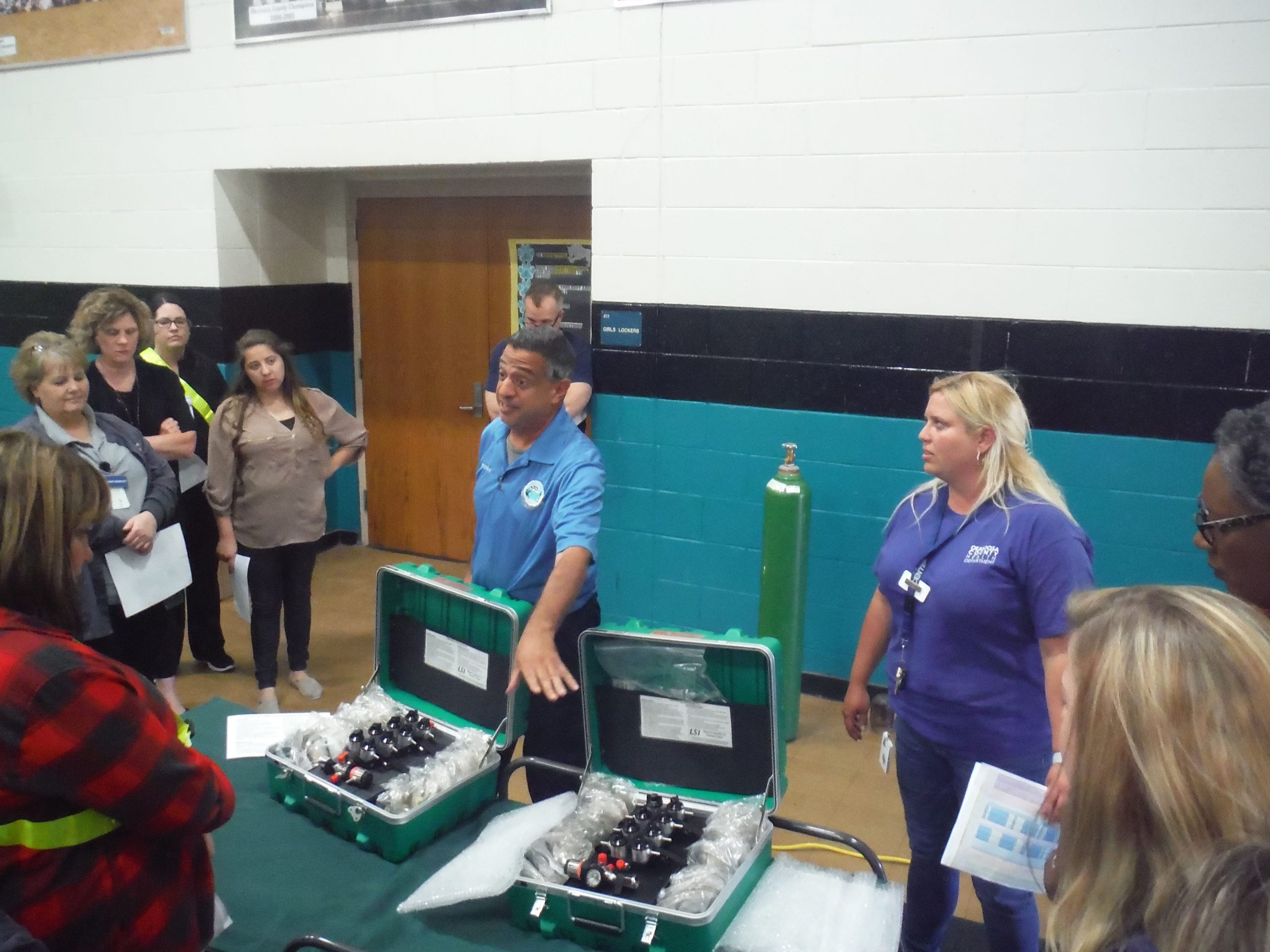
County health department trains for hurricane season

Okaloosa County Health Department employees Mercedes Salter (left) and Lakeesha Clarke role-play a special needs shelter scenario. Salter plays the part of a caregiver, while Clarke plays an evacuee who is an insulin-dependent diabetic. [AARON JACOBS|NEWS BULLETIN]

CRESTVIEW — The Okaloosa County Department of Health held its annual special needs shelter training exercise March 20 at Davidson Middle School.

The school serves as a shelter for evacuees during emergencies – such as hurricanes – for people with certain needs, but don’t require skilled medical care or hospitalization.

“A special needs shelter is really a shelter of last resort for people who have some special health conditions,” health department director Dr. Karen Chapman said. “They may need oxygen. They may need electricity. They may have mobility issues.

“But it’s sort of like a little home away from home. They are encouraged and really required to bring a caregiver, and they’ll manage all their own medications through the process.”

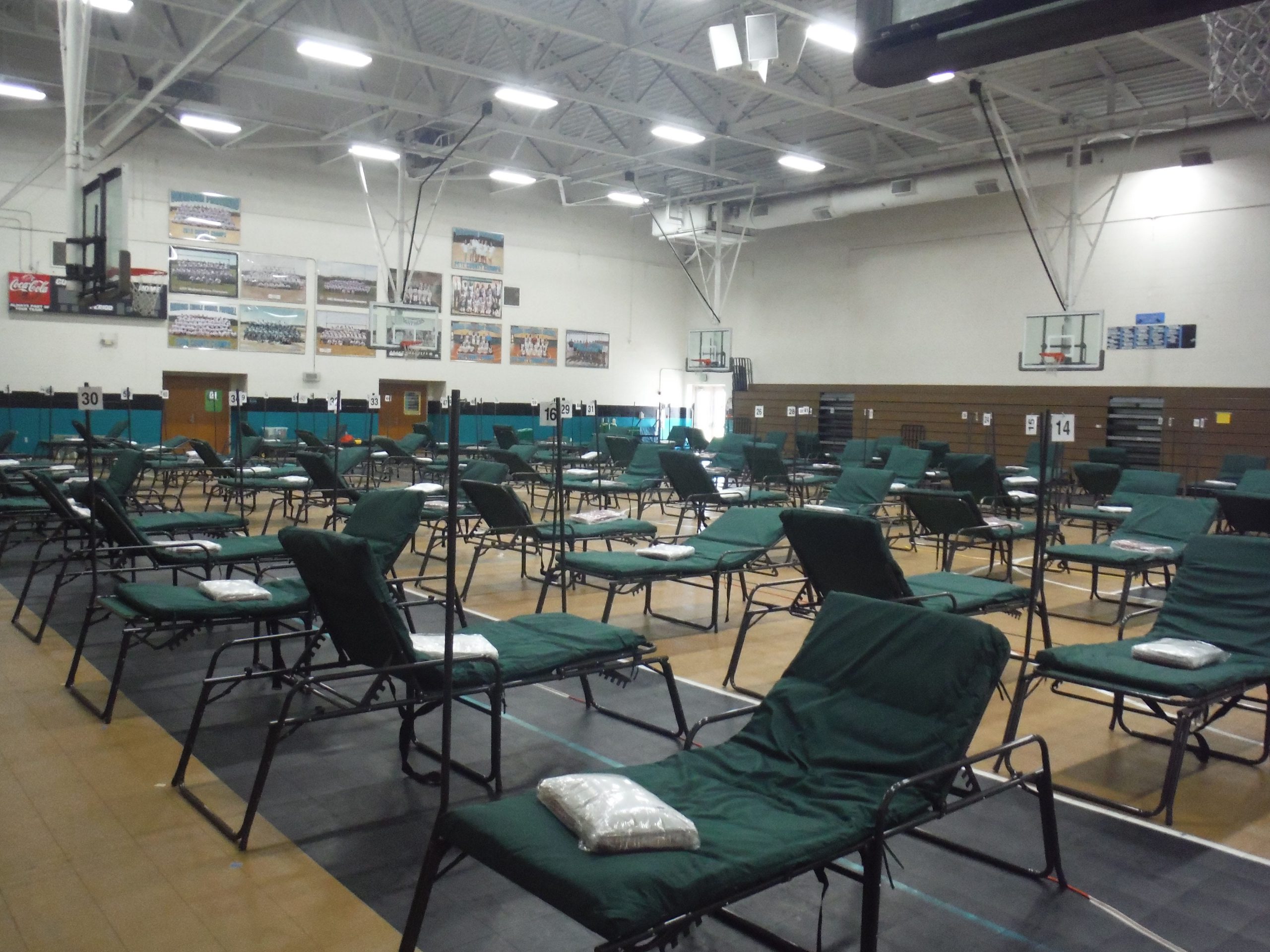
The school has not been used as a special needs shelter since 2004 when Hurricane Ivan struck the area. This year was the first year the health department used the gymnasium as their primary area for evacuees, rather than individual classrooms.

During the exercise, the gym was filled with 80 beds to accommodate evacuees. It was split into four sections for ambulatory patients, non-ambulatory patients, patients requiring oxygen and patients requiring electricity for medical purposes, such as charging an electric wheelchair.

The training exercise involved splitting health department employees into two groups, with one group playing the role of evacuees and the other group filling the roles they would normally fill in an evacuation situation. The groups later switched so that everyone received the proper training.

Health department public information officer Kathy Newby encouraged people to register ahead of time to avoid confusion and ensure that they go to the correct place in an emergency situation.

Registering ahead of time will not guarantee a spot in the shelter, but can clear up any confusion about which shelter to go to in the event of an emergency. Those who require more skilled medical conditions will be directed to the correct facility rather than the shelter.

“We don’t provide in-patient care services … at the health department,” Chapman said. “If you’re too high a need and you just show up here then it’s a little more stressful, because here we are, a storm is bearing down.”

Applicants for the shelter will need to re-register each year to stay up-to-date in the system.

To register for the special needs shelter, go to snr.floridadisaster.org/okaloosa.

For more information on the special needs shelter, visit www.healthyokaloosa.com or call 833-9240.
This article originally appeared on Crestview News Bulletin: County health department trains for hurricane season

Got bats? Evict them before maternity season begins

April 15 marks start of Floridaís bat maternity season. [KAREN PARKER | FLORIDA FISH & WILDLIFE CONSERVATION COMMISSION]


bat photo


FWC photo by Karen Parker.

PANAMA CITY — If you have bats roosting in your attic, eaves or chimney spaces, now is the time to give them an eviction notice. Bat maternity season begins April 15 and runs through August 15. Exclusions of bat colonies must be completed before the season starts.

“During bat maternity season, bats gather to give birth and raise their young,” said Terry Doonan, a Florida Fish and Wildlife Conservation Commission (FWC) biologist and mammal conservation coordinator. “The season lasts until the young bats can fly and feed themselves. In Florida, this occurs from mid-April through mid-August for most bat species.”

Bat exclusions are illegal during this maternity season to prevent young bats that cannot yet fly from being trapped inside structures and dying.

Florida is home to 13 resident bat species, including threatened species such as the Florida bonneted bat. Some bat species roost in artificial structures, including buildings and houses. Although it is illegal to harm or kill bats in Florida, guidelines have been developed allowing for the legal exclusion of bats outside of the maternity season.

Exclusion guidelines on how to remove bats from buildings can be found at MyFWC.com/Bats. Materials and methods to exclude bats can affect the success of that process. For more information on how to conduct a bat exclusion, watch this YouTube video: How to Get Bats Out of a Building. Further details on how to conduct a legal bat exclusion can be found at Bat Conservation International.

Bats are beneficial to people and are an important part of the ecosystem. The state’s native bats help keep insect populations under control, with the average bat eating hundreds of insects a night. In addition to the benefit of keeping mosquitoes and other insects at bay for residents enjoying the outdoors, the value of insect suppression by bats to U.S. agriculture has been estimated to be in the billions of dollars.

There are several ways that Florida residents and visitors can help bats:

Preserve natural roost sites, including trees with cavities and peeling bark. Dead fronds left on palms can also provide roosting spots for bats.

Put up a bat house.

Rabies awareness

Visit http://MyFWC.com/BatMortality to report unusual bat behavior.

Bats can carry rabies. Although infected bats may not become aggressive, like any other wild animal, they can bite to defend themselves if handled. Don’t touch or go near any wild animal, especially one that’s not acting normally. Visit the Florida Department of Health website at FloridaHealth.gov for more information about rabies.

This article originally appeared on Crestview News Bulletin: Got bats? Evict them before maternity season begins

HeadlineVeterans Administration offers Hepatitis C testing

The Veterans Administration is offering free Hepatitis C testing. [PIXABAY.COM]

CRESTVIEW — The Gulf Coast Veterans Health Care System, in coordination with the Mississippi Community Veterans Engagement Board, is providing Hepatitis C testing.

The testing is open to all veterans, and will take place 9 a.m. to 4 p.m. March 15 at all five GCVHCS locations, including the Eglin Air Force Base VA Clinic, 100 Veterans Way; and the Joint Ambulatory Care Center, 790 Veterans Way, Pensacola.

Those not enrolled in Veterans Administration health care are encouraged to enroll, and take advantage of testing and potential treatments. Start the enrollment process at one of the GCVHCS clinics by bringing an I.D. card and their DD Form 214, or call 855-574-7296 to complete an enrollment application via phone. Veterans can also enroll at www.vets.gov.

Hepatitis C affects millions and it is important that all veterans be tested, according to a media release from the Department of Veterans Affairs. The release stated a study shows that new drug regimens have "remarkably high" cure rates among VA patients. Since Jan. 1, 2014, the GCVHCS has treated 1,183 veterans with Hepatitis C and 96 percent have been cured of the virus, according to the media release.

This article originally appeared on Crestview News Bulletin: HeadlineVeterans Administration offers Hepatitis C testing

"There are just a lot of people that need healthcare"

Myron Faircloth is the newest member of the Gateway Medical Clinic staff. [AARON JACOBS | NEWS BULLETIN]

CRESTVIEW — A new healthcare provider is taking patients in Crestview.

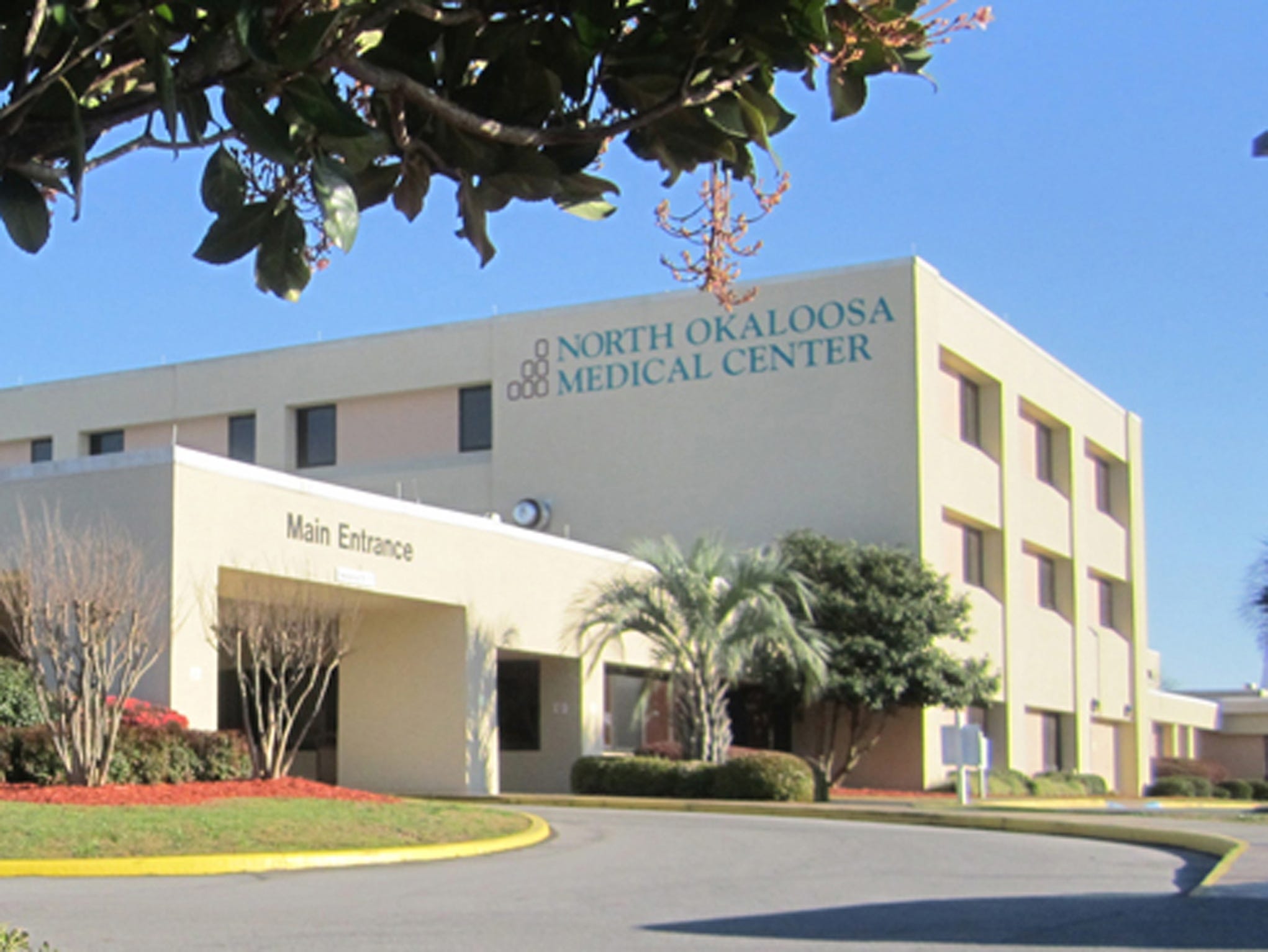
Myron Faircloth, a board-certified nurse practitioner, joined the staff of Gateway Medical Clinic, an affiliate of North Okaloosa Medical Center December of 2017. Faircloth comes to Crestview from Valdosta, Ga., where he practiced family medicine for more than 10 years.

Faircloth specializes in family medicine, including comprehensive healthcare, preventative care and health risk assessments. He also provides routine checkups, immunizations and screening tests.

While in Valdosta, Faircloth served on the Lowndes County Board of Health. In that capacity, he worked with clinics managed by the board.

“One was a clinic that was for the working uninsured, so our role was to look at the disease process, look at the financial aspects of that,” he said.

Faircloth has a passion for providing healthcare to people who are typically underserved and lack access, particularly in rural areas.

“In a perfect world, we’d all have money, access, everything,” he said. “But sometimes you have to go to those areas, and that’s the problem. The rural areas are where there’s a lack of providers. We need to be in those rural areas.”

That lack of providers is one aspect that attracted Faircloth to North Okaloosa. Another aspect is family. His sister,a registered nurse, lives in Niceville with her husband and children. Faircloth said he wanted to be closer to family that he has not been able to see as often as he would like.

The adjustment from rural Georgia to Crestview has not been a major issue for Faircloth.

“It’s like anything else, getting used to where things are at,” he said. “As far as the patient load, it’s similar to what I was practicing with. There are just a lot of people that need healthcare because of the lack of access.

“You can only see so many patients in a day, in a year, and sometimes you need extra providers. But if they’re not coming, they’re not coming.”

Faircloth focuses on preventative care in his practice and says that education is key to getting people to live healthier.

“I think if you can educate people and get them involved in their healthcare, you empower them in their healthcare and they’ll do better,” he said.

This article originally appeared on Crestview News Bulletin: "There are just a lot of people that need healthcare"

New assisted living facility coming to Crestview

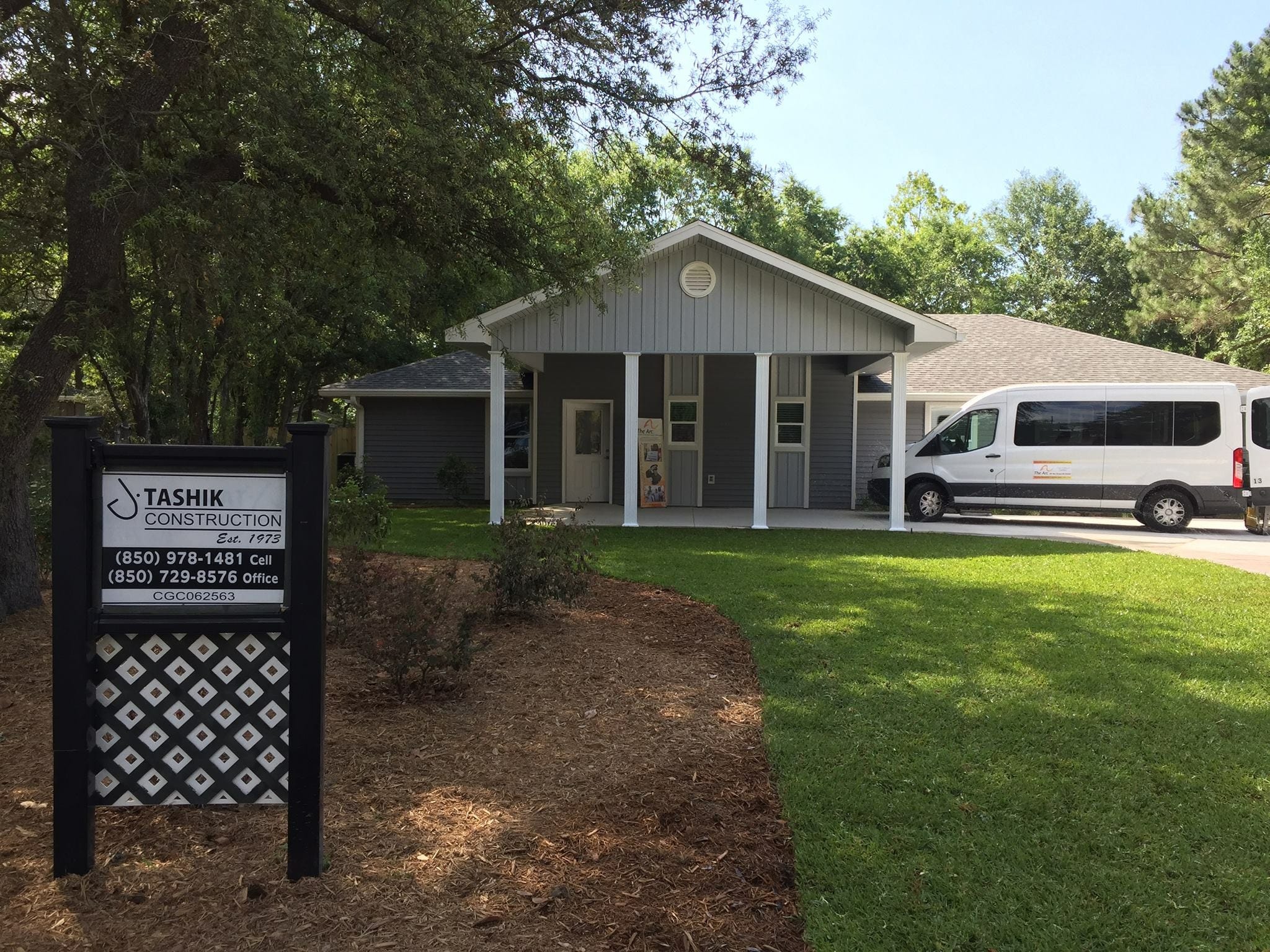
A new group home for adults with disabilities is currently under construction on Hickory Avenue. The home will be the fifth built by The Arc of the Emerald Coast. [AARON JACOBS | NEWS BULLETIN]

CRESTVIEW — A nonprofit organization for adults with disabilities is building a new group home in Crestview.

The Arc of the Emerald Coast, formerly Horizons, began construction of the six-bedroom, three-bathroom facility in February. The group home is located on Hickory Avenue next to Vitaliano restaurant, which is supposed to open later this month.

When completed, the facility will house six adults living with disabilities. The home is completely accessible, and incorporates green building features such as Energy Star appliances and low-flow fixtures. The home will also have a direct-care worker on-site to assist residents with their daily needs.

The Arc works with adults with conditions like autism, Down syndrome and cerebral palsy. Along with group homes, they offer in-home support, companion services, employment support and other services.

The group home will be the fifth home The Arc of the Emerald Coast has completed. It currently operates two eight-resident homes and two four-resident homes as well as a foster home for a single resident.

Erin Thatcher, Community Development Coordinator for The Arc, says residents of the home will have the option to participate in group activities, adult day training and life skills training. She says the organization also provides transportation for when residents want to go out to eat or participate in other activities outside of the home.

Residents of the Crestview facility have already been selected. People interested in a group home spot for a family member must apply with the Agency for Persons with Disabilities. Thatcher says residents typically end up staying in the group homes long-term.

"We provide employment, assisted living and Adult Day Training services  to many intellectually disabled citizens of  Crestview already, and are very excited to be able to provide this community residential home to our clients with disabilities in that area, said Donna Tashik, Community Development Director for The Arc of the Emerald Coast. "We thank the neighborhood for the warm welcome."

Visit http://apd.myflorida.com to download an application for the Agency for Persons with Disabilities.

This article originally appeared on Crestview News Bulletin: New assisted living facility coming to Crestview

Too much sugar: Cutting back is hard, but healthful. How to start

Trying to limit your sugar intake? Start by cutting one simple thing. [MORE CONTENT NOW]

This article appears in Spring Boomers magazine.

Too much sugar isn't just making us fat, it's making us sick. Growing scientific evidence shows that eating too much added sugar is linked to serious health problems including developing type 2 diabetes, cardiovascular disease, hypertension, chronic fatigue and liver disease.

As we age gaining weight is a serious issue, especially weight gained around the middle, said Laura Schmidt, a professor of health policy in the School of Medicine at the University of California at San Francisco.

"Sugar belly is a health concern for both men and women," Schmidt said, referring to an "apple" body shape, in which the waist measurement is larger than that of the hips. It can be caused by a metabolic syndrome due to an overconsumption of added sugar, Schmidt said.

Basically, too much added sugar overstresses the liver, which then fails to regulate it correctly. Instead, the liver turns the excess sugar into fat, which is stored in the liver and released into the bloodstream.

"The issue is that as we age, once you hit your 50s and on, you start to see changes in your metabolism, especially in post-menopausal women but also in men, who are then more vulnerable to weight gain and obesity," Schmidt said.

In addition to other chronic diseases, consuming too much sugar can lead to nonalcoholic fatty liver disease, Schmidt said. It's the second-leading cause of liver transplant in America, she said.

Just over 70 percent of Americans are overweight or obese, according to the Centers for Disease Control and Prevention. Doctors often counsel people to lose weight, but Schmidt stresses that avoiding gaining additional weight is a good health decision, too.

"You can't think that weight gain is inevitable," she said.

A recent nationwide survey from Label Insight, a leader for product transparency in the food industry, found that 67 percent of Americans will be prioritizing healthy or socially conscious food purchases in 2018.

Their primary point of emphasis is cutting back on sugars, with nearly half of consumers (47 percent) planning to eat less sugar or buy more "no sugar added"-labeled products this year. Baby boomers and women are by far the most likely to simmer down the sweetness, with 53 percent of boomers planning to cut down on sugary foods compared to 40 percent of millennials.

If you're trying to cut back on sugar, here are some of Schmidt's tips:

Start with one thing

Cut out one simple thing like the 3 p.m. sugary soda.

"Don't pile on too much at once. Do one simple thing. Do it well and make it a routine," Schmidt said.

Make healthy replacements

"Nature abhors a vacuum," Schmidt said. If you eat candy at your desk or while running errands, replace it with frozen grapes. "Change your habit," Schmidt said.

Clean your environment

"Get the crap out of your cupboards. Buy substitutes for the sugary foods that you enjoy," Schmidt said. If you're a soda drinker, make it yourself and gradually lower the syrup. Try soda water with lemon or a dash of fruit juice.

Watch your alcohol

Cutting down on alcohol will reduce your sugar intake, especially if you're mixing it with soda. Schmidt gave this breakdown:

— A 12-ounce soda equals 39 grams of carbohydrates

— A 12-ounce beer equals 13 grams of carbohydrates

— A 5-ounce glass of wine equals 0 to 4 carbohydrates

Scientists recommend women consume no more than six teaspoons, or 25 grams, of added sugar a day. For men, it's nine teaspoons, or 38 grams.

Read labels

"Sugar is hiding in 74 percent of packaged foods. Be vigilant," Schmidt said.

Look for the new label

Due to increasing concerns about the amount of sugar consumed by Americans, a redesigned nutrition facts panel will debut in July.

The biggest change is a separate line that highlights the "added sugars" in a food, which is expressed as a percentage of the recommended daily value — the amount of sugar consumption nutritionists find reasonable for a person as part of a 2,000-calorie per day diet. The current label shows the total amount of sugar (both naturally occurring and added) as one line.

By any other name …

Sugar is a complex issue. Sometimes it's natural, such as when it appears in fruits and vegetables, honey or maple syrup. Other times it's "added to food during processing, either in a factory, in the kitchen or at the table," Schmidt said.

There are 61 different names for sugar used in food processing that appear on ingredient lists, Schmidt said. Some of the main ones:

— Sometimes referred to as blood sugar, glucose is the sugar measured when a person has a blood test. It is chemically identical to (and also known as) dextrose.

— Fructose, or fruit sugar, is often joined with glucose to make sucrose, or common table sugar.

— High-fructose corn syrup undergoes processing to add sweetness and can contain as much as 90 percent fructose.

Sugars like fructose and glucose are main forms of carbohydrates, along with starches such as potatoes, grains, rice and bread. The body breaks down carbohydrates into the sugar glucose, to be used as energy.

This article originally appeared on Crestview News Bulletin: Too much sugar: Cutting back is hard, but healthful. How to start

Health Watch: How to get an accurate blood pressure reading

Guidelines from the American Heart Association and American College of Cardiology were recently lowered the high-blood-pressure threshold to 130 over 80. [Photo by OpenStax (Own work) [CC BY-SA 4.0 (http://creativecommons.org/licenses/by-sa/4.0)], via Wikimedia Commons]

BLOOD PRESSURE

Medical professionals aren't taking enough care when taking blood pressure, according to a recent story on NPR's "Morning Edition."

Guidelines from the American Heart Association and American College of Cardiology, which lowered the high-blood-pressure threshold to 130 over 80, also included the following do's and don'ts for patients, according to the story:

Do:

Sit in a chair, feet flat on the ground, legs uncrossed, back supported, without talking, for at least five minutes before you get your blood pressure measured.

Don't:

Exercise, consume caffeine or smoke within 30 minutes of your test.

Do:

Empty your bladder before the test.

Don't:

Sit or lie on the exam table.

Do:

Roll up your sleeve so the cuff rests on bare skin.

Don't:

Let your arm dangle or rest in your lap during the reading; rest it on a surface like a table.

TIP OF THE WEEK

Nodding makes you likable

Subtle movements, like nodding your head, can make you seem more approachable and likeable, according to a recent study cited at Sciencedaily.com.

A study by Hokkaido University Associate Professor Jun-ichiro Kawahara and Yamagata University Associate Professor Takayuki Osugi found that, "The act of nodding positively affects the subjective likability of people by about 30 percent and their approachability by 40 percent," the post said.

MEDS 

Tips for remembering to take medication

The Mayo Clinic recently posted tricks for remembering to take your meds.

1. Use a pillbox with days of the week. This visual aid works for tracking doses.

2. Match medications to a daily habit. Put your pills next to your coffee cup.

3. Take advantage of technology and set a reminder.

4. Mark a calendar or whiteboard with a hash mark for each pill.

5. Set up refill reminders with your pharmacy or have automatic refills sent.

6. Try a color-coding system, with yellow for morning meds or blue for evenings.

7. Understand the purpose of each pill. Know the difference between a beta blocker and a statin.

8. Keep it simple. Find a method that works for you and stick with it.

For more information, visit mayoclinic.org.

RUNNING

Want to run a marathon?

Haylee Barber, who describes herself as a "newbie runner," shared the following tips for training for a marathon at http://www.nbcnews.com.

1. Make a plan — and make it visual. Barber used a physical calendar, in addition to an app.

2. Enlist a friend. She said a training partner helped hold her accountable.

3. Build up your mileage slowly. Take the time to train properly.

4. Don't let skipping a run throw you off track or derail your plans.

5. Use social media to your advantage. You can get motivation from Facebook.

6. Pick the right race for you.

7. Invest in good running shoes.

8. A fitness tracker can help set you up for success because it can help you learn to pace yourself.

9. Hydration is important. And that's an understatement, Barber said.

10. Don't put a lot of pressure on yourself on race day. You don't need to set an aggressive goal.

— Brandpoint

This article originally appeared on Crestview News Bulletin: Health Watch: How to get an accurate blood pressure reading

Crestview Fire Department offers pediatric first aid course

The Crestview Fire Department's pediatric cardiopulmonary resuscitation class will include automated external defibrillator training. [PIXABAY.COM]

CRESTVIEW — The Crestview Fire Department will teach the American Heart Association Heartsaver Pediatric First Aid course, which includes cardiopulmonary resuscitation and automated external defibrillator training.

The class is 8 a.m. to 2 p.m. Feb. 17 at the fire department, 321 Woodruff Ave. W, Crestview. It will be in the Fire Station 1 training room.

Cost is $30 per person (cash preferred) or personal check. Fees can be paid at the beginning of the course. Nine seats are available.

Call 682-6121 or 225-4078 to register.

This article originally appeared on Crestview News Bulletin: Crestview Fire Department offers pediatric first aid course

Crestview Relay For Life sets kickoff

Relay for Life was held April 28 last year at Crestview High School. The kickoff for this year's American Cancer Society fundraiser is 6:15 p.m. Jan. 29 in the CHS cafeteria. [FILE PHOTO | NEWS BULLETIN]

CRESTVIEW — The American Cancer Society Relay For Life of Crestview will have a kickoff for its new fundraising season.

It starts 6:15 p.m. Jan. 29 in the Crestview High School cafeteria, 1250 N. Ferdon Blvd.

The community is invited to come out and learn more about the Relay For Life movement and how they can help the American Cancer Society attack cancer from every angle.

People will have the opportunity to register a team for the Crestview Relay for Life, which is 6 p.m. to 2 p.m. April 20-21 at CHS.

The American Cancer Society Relay For Life is the world’s largest peer-to-peer fundraising event to save lives from cancer. At Relay events, participants celebrate people who have been touched by cancer, remember loved ones lost, and take action for lifesaving change.

Funds raised help the American Cancer Society attack cancer in dozens of ways, each of them critical to achieving a world without cancer — from developing breakthrough therapies to building supportive communities, from providing empowering resources to deploying activists to raise awareness.

Visit RelayForLife.org or www.relayforlife.org/crestviewfl for more information.

This article originally appeared on Crestview News Bulletin: Crestview Relay For Life sets kickoff

RECALLED: Listeria found in Rich Products beef meatballs

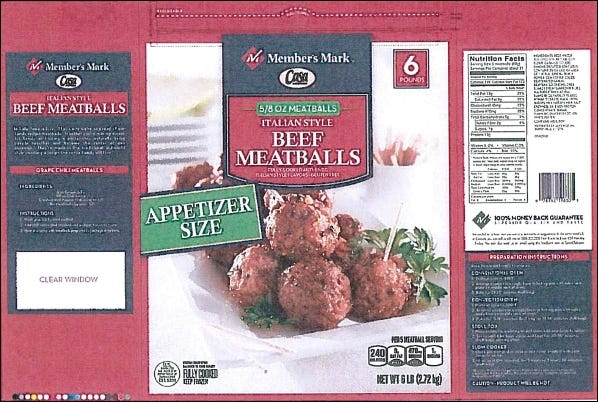
These Member's Mark meatballs are under a recall notice due to potential listeria contamination. [U.S. DEPARTMENT OF AGRICULTURE, FOOD SAFETY AND INSPECTION SERVICE]

WASHINGTON — Rich Products Corporation, a Vineland, N.J. establishment, is recalling approximately 3,420 pounds of beef meatball products that may be adulterated with Listeria monocytogenes, the U.S. Department of Agriculture’s Food Safety and Inspection Service stated in a media release Jan. 24.

The ready-to-eat (RTE) frozen beef meatball items were produced Dec. 17, 2017. The following products are subject to recall:

•36-pound cases containing six 6-pound bags of "Member’s Mark Casa Di Bertacchi Italian Style Beef Meatballs" with a "Best if Used By 17 DEC 2018" label and a lot code of 15507351 on the packaging.

The products subject to recall bear establishment number "EST. 5336" inside the USDA mark of inspection. These items were shipped to distributors in Alabama, Florida, Louisiana, Mississippi, North Carolina, South Carolina, Tennessee, Texas, and Virginia.

Consumption of food contaminated with L. monocytogenes can cause listeriosis, a serious infection that primarily affects older adults, persons with weakened immune systems, and pregnant women and their newborns. Less commonly, persons outside these risk groups are affected.

Listeriosis can cause fever, muscle aches, headache, stiff neck, confusion, loss of balance and convulsions sometimes preceded by diarrhea or other gastrointestinal symptoms. An invasive infection spreads beyond the gastrointestinal tract.

In pregnant women, the infection can cause miscarriages, stillbirths, premature delivery or life-threatening infection of the newborn. In addition, serious and sometimes fatal infections in older adults and persons with weakened immune systems.

Listeriosis is treated with antibiotics. Persons in the higher-risk categories who experience flu-like symptoms within two months after eating contaminated food should seek medical care and tell the health care provider about eating the contaminated food.

FSIS and the company are concerned that some product may be frozen and in consumers' freezers.

Consumers who have purchased these products are urged not to consume them. These products should be thrown away or returned to the place of purchase.

Consumers may contact Rich Products Customer Care, 1-800-356-7094, with questions regarding the recall.

This article originally appeared on Crestview News Bulletin: RECALLED: Listeria found in Rich Products beef meatballs

error: Content is protected !!