Please ensure Javascript is enabled for purposes of website accessibility
Skip to main content
Advertisement

Satan rises in Las Vegas — angels fly high
Doubters of Satan were furnished all the proof they should need as a living Satan arose to the top of Mandalay Bay hotel last Sunday night and unleashed hell for about 11 minutes.

Stephen Paddock acted only as Satan and someone possessed with evil knows how to act. He wreaked devastation in the deadliest mass shooting in the recent history of the United States. Fifty-nine deaths and over 500 wounded people were the result of Paddock's calculated, well strategized maneuver to bring about mass carnage.

Evil works hard to find a way. Evil is cunning, calculating, sly, secretive, hypocritical but works toward the goal of destruction.

Whether we are talking about devils who were involved in the Sept. 11, 2001 attacks that resulted in about 3,000 deaths or Timothy McVeigh and the Oklahoma bombing or the recent attack on a theatre in Paris, France, evil finds a way.

Evil can use a car driven into a crowd or a homemade bomb to mangle people. Evil can use knives, fire, poison, acid or other ways. We don't have to name all the ways that evil can bring about sadness and sorrow because evil works day and night plotting and thinking of how it can succeed in stealing, killing and destroying good people just so their lust for innocent blood is briefly satisfied.

Whether you believe that Satan is a horny-headed figure walking around with a pitchfork, a spirit, a fallen and disgraced angel from heaven or something else, surely you believe in the reality of evil. We saw evil, once again, on Sunday night in Las Vegas embodying Paddock and doing what evil always does.

We see evil breaking into people's houses and robbing people. We hear of evil robbing convenient stores. We hear of evil killing one another in Chicago or evil abusing a child or hurting a spouse. Evil rises up in all kinds of ways. Sunday, evil briefly rose up but seemed like an eternity to those fleeing for their lives. Las Vegas, our nation and especially all the families involved were forever changed.

For every Satan that rises there are hundreds and thousands of angels. We have heard many, many stories of good and wonderful people saving lives and rescuing people in Las Vegas. Countless stories have been told of people who gave their lives saving someone else. There are so many stories of heroes who did so much to aid and save people who had been wounded. Say whatever you want about Las Vegas, there were a lot of God's people at work helping people in that scene of real hell.

The massacre in Las Vegas reminds us that we live in a world of good and bad. Satan is real and he embodied Paddock to carry out his work. God is also very real and he embodied thousands of people in Las Vegas Sunday night from the police to the many concertgoers who worked so heroically to overcome evil with good.

We have to keep helping each other and working together. We must be angels soaring higher. We have to put race, religion and partisan politics aside.

We have to be on the lookout because there is always another Satan lurking and waiting to rise.

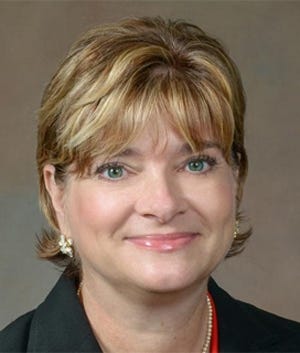
Glenn Mollette is an American syndicated columnist and author.

What's your view? Write a letter to the editor.
This article originally appeared on Crestview News Bulletin: Satan rises in Las Vegas — angels fly high

International investing: still a journey to consider

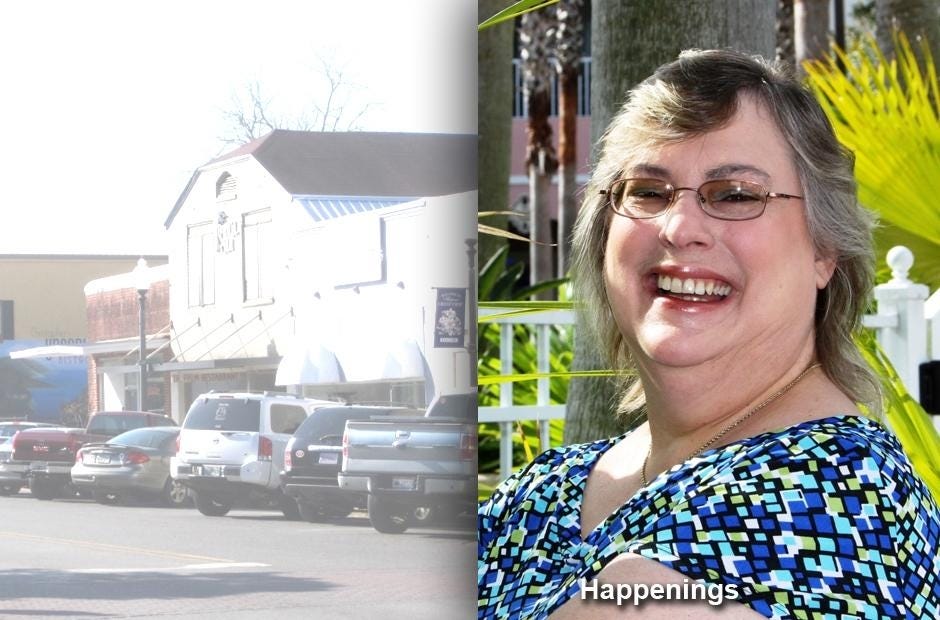
Yvonne Shanklin is an Edward Jones financial adviser. [Special to the News Bulletin]

Columbus Day is observed on Oct. 9. And while it may be true that Leif Erikson and the Vikings beat Columbus to the New World, Columbus Day nonetheless remains important in the public eye, signifying themes such as exploration and discovery.

As an investor, you don't have to "cross the ocean blue," as Columbus did, to find opportunities — but it may be a good idea to put some of your money to work outside the United States.

So, why should you consider investing internationally? The chief reason is diversification. If you only invest in U.S. companies, you might do well when the U.S. markets are soaring, as has happened in recent years.

But when the inevitable downturn happens and you're totally concentrated in U.S. stocks, your portfolio will probably take a hit. At the same time, however, other regions of the world might be doing considerably better than the U.S. markets — and if you put some of your investment holdings in these regions, you might at least blunt some of the effects of the down market here.

Of course, it's also a good idea to diversify among different asset classes, so, in addition to investing in U.S. and international stocks, you'll want to own bonds, government securities and other investment vehicles. (Keep in mind, though, that while diversification can help reduce the effects of volatility, it can't guarantee a profit or protect against loss.)

International investments, like all investments, will fluctuate in value. But they also have other characteristics and risks to consider, such as these:

•Currency fluctuations — The U.S. dollar rises and falls in relation to the currencies of other countries. Sometimes, these movements can work in your favor, but sometimes not.

A strengthening dollar typically lowers returns from international investments because companies based overseas do business in a foreign currency, and the higher value of the U.S. dollar reduces the prices, measured in dollars, of individual shares of these companies' stocks. The opposite has happened in 2017, when the weaker dollar has helped increase returns from international investments.

•Political risks — When you invest internationally, you're not just investing in foreign companies — you're also essentially investing in the legal and economic systems of countries in which those companies do business. Political instability or changes in laws and regulations can create additional risks — but may also provide potentially positive returns for investors.

•Social and economic risks — It is not always easy for investors to understand all the economic and social factors that influence markets in the U.S. — and it's even more challenging with foreign markets.

U.S. markets are now worth less than half of the total world markets, and growth in the rest of the world is likely to keep expanding the number of global opportunities. You can take advantage of that global growth by putting part of your portfolio into international investments, including developed and emerging markets.

In any case, given the more complex nature of international investing, you'll want to consult with a financial professional before taking action. If it turns out that international investments are appropriate for your needs, you should certainly consider going global.

This article was written by Edward Jones on behalf of your Edward Jones financial adviser.

This article originally appeared on Crestview News Bulletin: International investing: still a journey to consider

The importance of recording your family's history

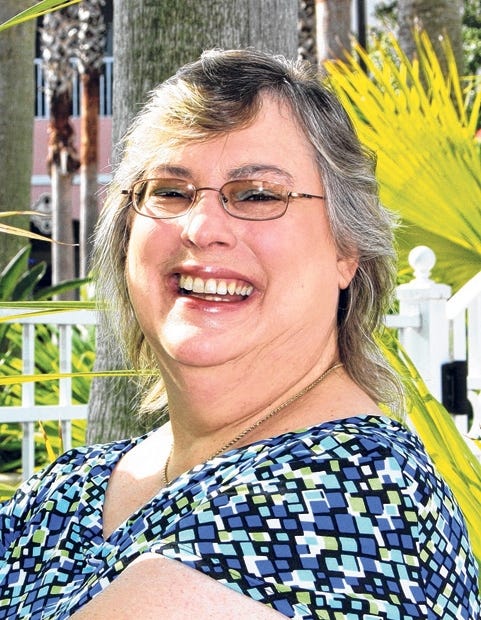
Janice Lynn Crose, a former accountant, lives in Crestview with her husband, Jim; her two rescue collies, Shane and Jasmine; and two cats, Kathryn and Prince Valiant.

When you were a child, did you enjoy the stories your grandparents, aunts and uncles told? I did, and feel they are a valuable tool to transfer information from one generation to the next.

The problem with storytelling is that over the years, facts can be forgotten and specifics may be remembered differently. How does your family preserve its history?

I highly recommend writing down familial stories to preserve them. I dearly wish I had written down stories from my grandparents before they passed away, as they had lived through so much during their lifetimes.

My dad's mother was born in 1896 and certainly saw a plethora of changes in her lifetime: from every home having electricity, to air conditioning, microwaves, cars for everyone, jets, computers and a man walking on the moon. What an amazing era in which she lived. I wish I had been able to question her more about her childhood and write down her wonder about the new inventions.

My mother's dad was quite a storyteller and I am sorry I didn't write down his wonderful stories about growing up on a farm in rural Missouri. He was a very positive and upbeat person that could make work seem like play. We loved being around him as he made everything fun, even pulling weeds.

When I first moved to Crestview, I would hear the ladies at the beauty shop talk about how much Crestview has changed, and that when they moved here there was only one stoplight. It was very different from when we moved here and there were multiple traffic lights. Visit the Baker Block Museum (http://bakerblockmuseum.org/clouds/intheclouds/index-a.html) for more historical information on this area.

A friend of mine just took a three-generation family vacation and had the opportunity to share with her grandchildren stories from when she was young; as well as amusing stories about their parents when they were children. These are fun stories for families to know and share.

Make your family a grandparents book. Write down memories from your childhood, special moments that you treasure, recipes you enjoy and special photographs so that your family will remember specifics after you are in heaven.

Your family will certainly treasure such a book.

Janice Lynn Crose, a former accountant, lives in Crestview with her husband, Jim; her two rescue collies, Shane and Jasmine; and two cats, Kathryn and Prince Valiant.

This article originally appeared on Crestview News Bulletin: The importance of recording your family's history

Slow cooking ideas for the busy family

Save time by gathering your ingredients for the slow cooker recipe the night before. Remember to refrigerate those ingredients that require it but prep the night before and store in containers so that they're ready to place in the slow cooker the next morning. [Special to the News Bulletin]

With the weather changing and cooler temperatures on the way, get out the slow cooker for simmering soups and stews that will be waiting for you when you get home.

Slow cookers are popular and allow us the convenience of prepping ahead of time and having a hot cooked dish when we get home from a long day of work.

The advantage of slow cooking is to set it and then forget it. Stirring is not usually required and remember to keep the lid on as the food simmers.

Today’s slow cookers are food safe and keep food at a safe temperature of 170 degrees to 280 degrees. The low heat allows use of less expensive and leaner cuts of meat as the slow cooking will tenderize and shrink less.

Cooking with a slow cooker means planning ahead but the payoff is a great meal. You can prepare all the ingredients the night before like chopping of vegetables, cutting up the meat and gathering the other items and have them handy for the next morning. Remember to refrigerate all items needing refrigerating until it is time to place in the slow cooker.

Here are some tips for using your slow cooker safely and economically.

•Start with a clean cooker and utensils. Always use a clean work area and make sure to wash your hands during the preparation.

•Keep perishables in the refrigerator until ready to use. Store meat and vegetables separately if preparing ahead of time.

•Always thaw meat or poultry before putting it into a slow cooker. If frozen pieces are used, they will not reach 140° quick enough and could possibly result in a food-borne illness.

•Do not lift the lid unnecessarily during the cooking cycle. Each time the lid is raised, the internal temperature drops 10 to 15 degrees and the cooking process is slowed by 30 minutes.

•After enjoying your meal, do not leave cooked food to cool down in the cooker. Store leftovers in shallow containers and refrigerate immediately.

•Do not overload the slow cooker. Fill to a minimum of 1/2 full and a maximum of 2/3 full.

Try some of these favorite recipes to get you started.

Hamburger Soup

2 pounds lean ground beef, browned and drained

2 teaspoons dried basil

2 teaspoons dried oregano

2 teaspoons garlic powder

5-6 cups tomato juice

1 cup stewed tomatoes

1 large onion, chopped

2 cups chopped celery

1 cup sliced carrots

2 cups sliced green beans, fresh or frozen

1 tablespoon Worcestershire sauce

salt & pepper to taste

Place browned meat in slow cooker. Add all remaining ingredients and stir to mix well. Cover and cook on low for at least 5 hours. Makes 6 servings.

Old-Fashioned Chicken & Rice

2½ cups chicken broth

1½ pounds boneless, skinless chicken breast meat, cut into 1-inch pieces or strips

1½ cups long-grain rice, uncooked

1/4 cup fresh parsley, minced or

1 tablespoon dried parsley

1 cup chopped onion

6 garlic cloves, minced

1 small red bell pepper, cut into thin strips

1 (6-ounce) jar sliced mushrooms, undrained

1/4 teaspoon poultry seasoning

Combine all ingredients in slow cooker. Cover and cook on high for 3-4 hours, or until chicken is no longer pink and rice is plump and tender.

Favorite Beef Stew

3 carrots, sliced

3 potatoes, cut in 1-inch cubes

2 pounds beef stew meat, cut in 1-inch cubes

1 cup beef broth

1 teaspoon Worcestershire sauce

1 clove garlic, minced

1 bay leaf

salt to taste

Combine all ingredients in slow cooker in order listed. Stir just enough to mix seasonings throughout. Cover and cook on low for 10-12 hours, or on high for 5-6 hours. Makes 6-8 servings.

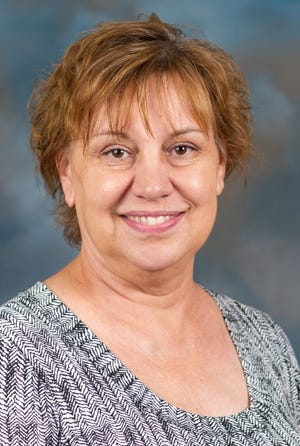
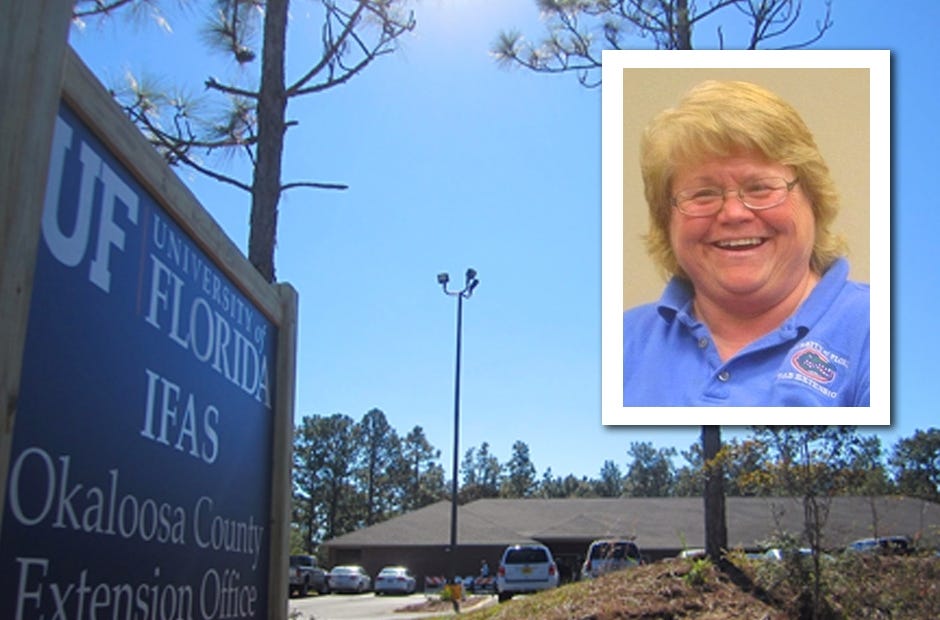
Pamela H. Allen is the interim county director and an agent at the University of Florida's Institute of Food and Agricultural Sciences Extension office in Crestview.

This article originally appeared on Crestview News Bulletin: Slow cooking ideas for the busy family

Community apathy: Embrace it or destroy it

Matt Gates is a Crestview resident.

There are a few things I’ve noticed living here and getting involved. One of those things is how passionate people seem to act on various topics.

These topics include (but are not limited to):

•Demanding a Target

•Ridiculing additional fast food establishments

•Voicing opinions about additional mattress stores

•Demanding better eating establishments

•Poking fun at the local government operating like they’re in the 1800s

•Ridiculing budgets and placing blame on excessive spending

•Demanding a dog park

•Demanding traffic improvements

•Demanding reform to the outdated recreational vehicle ordinance

•Whether to allow or disallow medical marijuana dispensaries in city limits

• Whether or not to incorporate a city manager and update the charter

• Whether or not we have a homeless problem

Monday the council held a (very well advertised) workshop to discuss three of these items: the budget, marijuana dispensaries, and the RV ordinance.

The council even changed the venue of the meeting to Warriors Hall in anticipation of having a massive crowd because of the magnitude of the topics on the agenda. Warriors Hall has a capacity of hosting 200 people. About 18 showed up.

The meeting was published on the city calendar, notifications were sent out via email if you signed up for them (also available on the website), updates and reminders were posted to the city’s Facebook page, etc.

Simply put, if you’re genuinely interested in what the city and your elected officials are doing, you would know about this meeting.

So, why such a low turnout? We have 14,000 registered voters, and even more if you count residents with Crestview addresses that aren’t in city limits.

How is it that only 18 people care about marijuana dispensaries or RV ordinance reform? I’m sure that more than 18 people were issued notices by Code Enforcement for non-compliance in storing their campers, and potentially faced $500 per day in fines.

Community apathy is why.

We can all complain on Facebook, but that’s not going to move the needle. We make time for the things that matter most to us, and it's true.

Perhaps some people could NOT make it to the meeting — I know I couldn’t due to my whole house being sick. But it's improbable that an entire city had a stomach virus, or that the entire city works jobs they can’t have time off from with enough notice (again, it was well advertised).

If you couldn’t make it, did you email the council and ask that they live stream it or record it for later?

No matter where you land on any one of the bullet points listed above, as long as we as a community (I say "we" because I’ve been guilty of this too) are apathetic and disengaged, the things we complain about and want to happen will never happen. We can either actively work to destroy this disease of apathy, or embrace it and be happy with what we have.

We have what we have because of us, and we won’t have what we don’t have because of us.

Either change it, or embrace it.

Matt Gates, with the Facebook page Crestview Citizens for Change, is not to be confused with Matt Gaetz, the U.S. congressman. He lives in Crestview.

This article originally appeared on Crestview News Bulletin: Community apathy: Embrace it or destroy it

The impact of paying it forward

The Rev. Mark Broadhead is pastor at Laurel Hill Presbyterian Church and First Presbyterian Church of Crestview. [File photos | News Bulletin]

Earlier this week my wife and two friends had lunch at one of Crestview's downtown restaurants. After enjoying their meal they went to the cashier to pay.

As they were getting their payment ready, a gentleman walked up and placed a large amount of money on the counter. The cashier simply said to him, "How many?" and he replied, "Three."

And just like that he paid for the meals of my wife and friends. They were a bit stunned. They did not know him, and he did not know them. They talked briefly, expressed their thanks and extreme gratitude for this gentleman's generosity, and went their separate ways.

Several thoughts went through my mind when my wife related this story to me.

First, it seemed obvious to me this was not the first time the gentleman paid for someone's meal. The cashier's question, "How many?" led me to believe he had previously informed the cashier of his intent to do this. How many meals he previously paid for I have no idea, but I wonder if his generosity had the same impact on others as it did for those three women that day.

Another thought was the quiet witness of kindness and generosity this gentleman displayed. There was no fanfare or "look at me" demeanor. It was simply a generous gesture of thoughtfulness.

A third thought was a reminiscence of the movie "Pay It Forward" back in 2000, a movie based on acts of a 12-year-old boy's goodwill. The intent of paying it forward was, instead of repaying someone for their kindness, that an act of kindness or generosity be done for another person, who would then do the same for another, and so on.

The gentleman in the restaurant may never know the impact he has had on those for whom he has bought lunches. But I would like him to know he left an indelible impression on three women and this pastor.

Sir, I thank you for being a living example of a teaching by Jesus: "Do to others as you would have others do to you."

I thank you for exemplifying what is says in the letter of James, "Every generous act of giving, with every perfect gift, is from above, coming down from the Father of lights, with whom there is no variation or shadow due to change."

My challenge to you, dear readers, is to find a way that you, too, can do a similar act of kindness in the name of Jesus Christ.

The Rev. Mark Broadhead is pastor at Laurel Hill Presbyterian Church and First Presbyterian Church of Crestview.

This article originally appeared on Crestview News Bulletin: The impact of paying it forward

Consider multiple factors when creating retirement plans

Yvonne Shanklin is an Edward Jones financial adviser. [Special to the News Bulletin]

When you create your financial and investment strategies for retirement, what will you need to know?

In other words, what factors should you consider, and how will these factors affect your investment-related decisions before and during your retirement?

Consider the following:

Age at retirement — Not surprisingly, your retirement date likely will be heavily influenced by your financial situation — so, if you have to keep working, that’s what you’ll do. But if you have a choice in the matter, your decision could have a big impact on your investment strategy.

For example, if you want to retire early, you may need to save and invest more aggressively than you would if you plan to work well past typical retirement age.

Also, your retirement date may well affect when you start accepting Social Security payments; if you retire early, you might have to start taking your benefits at age 62, even though your monthly checks will be considerably smaller than if you waited until your "full" retirement age, which is likely to be 66 or 67.

Retirement lifestyleSome people want to spend their retirement years traveling from Athens to Zanzibar, while others simply want to stay close to home and family, pursuing quiet, inexpensive hobbies. Clearly, the lifestyle you choose will affect how much you need to accumulate before you retire and how much you will need to withdraw from your various investment accounts once you do.

Second careerSome people retire from one career only to begin another. If you think you’d like to have a "second act" in your working life, you might need some additional training, or you might just put your existing expertise to work as a consultant.

If you do launch a new career, it could clearly affect your financial picture. For one thing, if you add a new source of earned income, you might be able to withdraw less from your retirement accounts each year. (Keep in mind, though, that once you reach 70 ½, you will have to take at least some withdrawals from your traditional IRA and your 401(k) or other employer-sponsored retirement plan.)

On the other hand, if you keep earning income, you can continue putting money into a traditional IRA (until you’re 70 ½) or a Roth IRA (indefinitely) and possibly contribute to a retirement plan for the self-employed, such as an SEP-IRA or an "owner-only" 401(k).

•PhilanthropyDuring your working years, you may have consistently donated money to charitable organizations. And once you retire, you may want to do even more. For one thing, of course, you can volunteer more of your time. But you also might want to set up some more permanent method of financial support.

Consequently, you might want to work with your legal advisor and financial professional to incorporate elements of your investment portfolio into your estate plans to provide more support for charitable groups.

As you can see, your retirement goals can affect your investment strategy — and vice versa. So, think carefully about what you want to accomplish, plan ahead and get the help you need. It takes time and effort to achieve a successful retirement, but it’s worth it.

This article was written by Edward Jones on behalf of your Edward Jones financial adviser.

This article originally appeared on Crestview News Bulletin: Consider multiple factors when creating retirement plans

Enjoying a golden fall in the Panhandle

Sheila Dunning is an agent at the University of Florida's Institute of Food and Agricultural Sciences Extension office in Crestview.

Each fall, nature puts on a brilliant show of color throughout the United States.

As the temperatures drop, autumn encourages the “leaf peepers” to hit the road in search of the red-, yellow- and orange-colored leaves of the northern deciduous trees.

Here in the Florida Panhandle, fall color means wildflowers. As one drives the roads it’s nearly impossible to not see the bright yellows in the ditches and along the wood’s edge.

Golden asters (Chrysopsis spp.), tickseeds (Coreopsis spp.), silkgrasses (Pityopsis spp.), sunflowers (Helianthus spp.) and goldenrods (Solidago spp.) are displaying their petals of gold at every turn. These wildflowers are all members of the Aster family, one of the largest plant families in the world.

For most, envisioning an aster means a flower that looks like a daisy. While many are daisy-like in structure, others lack the petals and appear more like cascading sprays. So if you are one of the many hitting the road in search of fall color, head to open areas. For wildflowers, that means rural locations with limited homes and businesses.

Forested areas and non-grazed pastures typically have showy displays, especially when a spring burn was performed earlier in the year. With the drought we experienced, moist, low-lying areas are naturally the best areas to view the many golden wildflowers.

Visit www.flawildflowers.org/bloom.php, the Florida Wildflower Foundation website, to see both what’s in bloom and the locations of the state’s prime viewing areas.

People who want to add native wildflowers and other Florida-friendly plants to their landscapes may go to the Master Gardeners fall plant sale. It is 8 a.m. to noon Oct. 14 at the Okaloosa County Extension Annex, 127 SW Hollywood Blvd., Fort Walton Beach.

Sheila Dunning is an agent at the University of Florida's Institute of Food and Agricultural Sciences Extension office in Crestview.

This article originally appeared on Crestview News Bulletin: Enjoying a golden fall in the Panhandle

Patience, character help us through hardships

Janice Lynn Crose, a former accountant, lives in Crestview with her husband, Jim; her two rescue collies, Shane and Jasmine; and two cats, Kathryn and Prince Valiant.

"Patience is a virtue" is a saying I heard many times growing up, usually from my grandmother. As a child I wondered why waiting is a virtue.

Here is a definition of patience: "Perseverance; constancy in labor or exertion."

We live in an instant society. Do we even teach our children patience anymore? We have ATMs to do our banking, online grocery shopping with home delivery, microwaves in which to cook our food, and my personal favorite, instant coffee makers like my Keurig.

We are impatient and want instant results. I count myself as one who is impatient.

Unfortunately, one of the many reasons that so many Americans are in debt is because they won't save money for the latest gadget. Instead they put it on their credit card.

Many times the gadget has broken or is no longer relevant and we are still paying for it. We need to get out of this habit and make the hard decision as to whether this item is truly needed or not. Let's quit being victims of slick marketing.

I enjoy progress, yet it astounds me as to how long a new home or building takes to complete — many months. I'd love to see several new restaurants come to Crestview, but this process takes time: acquisition of land; issuance of permits; needed studies completed and then the actual building of the structure. I'd welcome an Olive Garden, Chili's, Longhorn, Marie Callender's or Golden Corral in Crestview tomorrow, but it's not going to happen overnight.

We do ourselves and children no favors by wanting everything instantly, as patience develops character. Character is defined as "distinguished or good qualities; those which are esteemed and respected."

Our character is developed by waiting, whether it is for a short-term goal like a treat, or a long-term goal such as losing weight, buying a house or a new car.

We learn valuable lessons about saving for a rainy day and finding out that our "need" of the moment was a want, and saving money is a satisfying goal.

Developing patience will help us endure the hardships we encounter in life much more easily, and as we have seen with the recent hurricanes, hardships do occur.

How we approach hardships in our lives reveals our character.

Grandmother was correct.

Janice Lynn Crose, a former accountant, lives in Crestview with her husband, Jim; her two rescue collies, Shane and Jasmine; and two cats, Kathryn and Prince Valiant.

This article originally appeared on Crestview News Bulletin: Patience, character help us through hardships

Scotland embodies 'do unto others' lesson

The Rev. Mark Broadhead is pastor at Laurel Hill Presbyterian Church and First Presbyterian Church of Crestview. [File photos | News Bulletin]

My wife and I just returned from a trip to Scotland we took with a number of other Presbyterian pastors and church members. This trip was put together as part of the 500th anniversary of the Protestant Reformation.

Scotland is the home base of Presbyterianism, mostly because of the work of John Knox in the mid-1500s. My side of the family hails from one of the old clans in Scotland. It was fun looking for various ways "our" tartan was on display in stores and other places.

While there, we learned a great deal more about the Reformation, John Knox, and the history of that time. We saw wonderful sights in God’s creation, both natural and human-made.

And we met wonderful people. Our encounters with people in Scotland left an indelible impression on us. Everyone, literally, that we encountered when we sought assistance or directions was polite, courteous and helpful. An interruption of their work or whatever they were doing was not seen as an imposition, but a chance to be helpful.

People driving on the roads were courteous and polite. Most of the roads were single-lane roads. If two cars met coming toward each other, the driver that was closest to a spot on the shoulder to pull over did so, with a wave of good wishes, even if it meant they had to back up a little. Drivers stopped for pedestrians in crosswalks.

Their politeness awoke within us even more of our own politeness as we continued to encounter strangers willing to help us out.

A lesson here is one that Jesus emphasized in his ministry: "Do to others as you would have others do to you." The people in Scotland were polite to us, and we responded in kind.

It has been said, "You reap what you sow." It is true. A little kindness and generosity go a long way. And you may never know what a positive impact you may have on someone.

If you desire to have others treat you with more kindness, you will first need to show them kindness. It may take a while for folks to catch on, but the more kindness you show to others, the more they will eventually show kindness toward you.

I have been asked if I would ever go back to visit Scotland again. My response is, "Absolutely!"

And I would look forward to again being among the kind, gentle people of my heritage.

The Rev. Mark Broadhead is pastor at Laurel Hill Presbyterian Church and First Presbyterian Church of Crestview.

This article originally appeared on Crestview News Bulletin: Scotland embodies 'do unto others' lesson

error: Content is protected !!