Please ensure Javascript is enabled for purposes of website accessibility
Skip to main content
Advertisement

Word of ‘the great American crime decline’ demise premature
The National Institute of Justice reported this week that homicides in America’s largest cities rose in 2015 and again in 2016, although not all cities experienced a significant increase and some cities even experienced a decline.

In 2016, the FBI Uniform Crime Report found that there were 17,250 homicides nationwide. That is an increase of 8.6 percent from 2015 on top of a 12.1 percent increase from 2014-2015.

That adds up to about a 21 percent increase in homicide over two years, which is the largest two-year increase in a quarter of a century.

The National Institute of Justice considered two explanations for the increase: 

  • The heroin and opioid epidemic
  • The so-called "Ferguson effect," named for the city outside of St. Louis where the police response to unrest has impacted policing nationwide. 

The larger increases in drug-related homicides as compared to other types of homicide provided researchers with preliminary evidence that expansions in the illegal drug trade contributed to increase in homicide.

The current drug epidemic is disproportionately concentrated in the white population, and homicides have increased among whites as well as among African Americans and Hispanics. The report concluded that the drug epidemic may have had an especially strong influence on the rise in homicide rates among whites.

The second explanation put forth by researchers is the Ferguson effect, which resulted in "de-policing, compromised police legitimacy, or both."

Surveys of police reveal widespread concerns about increased police-community tensions and reductions in proactive policing in the aftermath of widely publicized deadly encounters between the police and African Americans.

Increases in homicide followed decreases in arrests in Baltimore and Chicago, although it is not known whether the same was true in other cities.

Alienation from the police can result in a decreased willingness to call the police or to cooperate with them and, some studies suggest, an increase in criminal behavior.

The National Institute of Justice concedes that "current evidence that links de-policing to the homicide rise is mixed, at best," and that it remains an "open research question."

The homicide increase in the United States is relatively large, if not unprecedented, especially in several of the nation’s biggest cities.

Because it arrived on the heels of a long-term crime drop, it is reasonable to ask whether the current homicide spike marks the end of what has been referred to by Professor Franklin E. Zimring of the UC Berkeley School of Law as the "the great American crime decline."

Before we break into a panic, a review of the data seems to indicate the answer is no. The national homicide rate was more than 35 percent lower in 2016 than in 1995 and the homicide rate in big cities was about 46 percent lower.

According to the National Institute of Justice, even at the elevated rates of increase in 2015 and 2016, it would take about five years for the national homicide rates to return to the levels of the early 1990s.

However, it is difficult to ignore the increase in homicides as well as the ongoing plight of minority members of our communities. For instance, the leading cause of death for young African American men is homicide, and it causes more deaths than the other top nine causes of death put together.

Professor David Kennedy of the John Jay College of Criminal Justice said recently, "[W]e’re debating these small changes and the national homicide rate had come down to between four and five per 100,000 and is now edging back up toward five.

"There are communities all over the country where especially young men of color are experiencing persistent homicide rates of over 500 per 100,000 year after year after year after year."

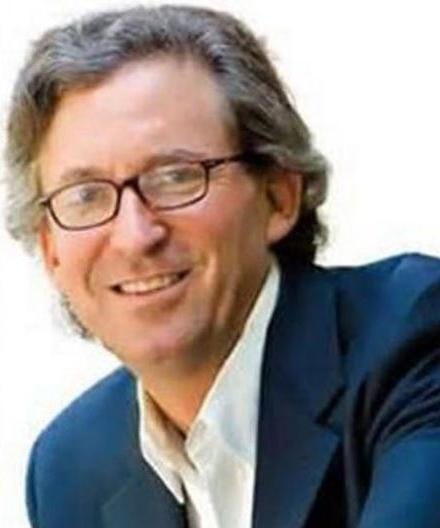
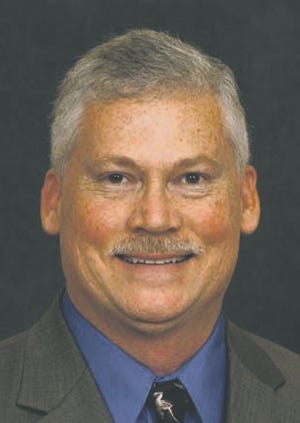
Matthew T. Mangino is of counsel with Luxenberg, Garbett, Kelly & George P.C. You can reach him at www.mattmangino.com and follow him on Twitter @MatthewTMangino.

"The homicide increase in the United States is relatively large, if not unprecedented, especially in several of the nation’s biggest cities."

This article originally appeared on Crestview News Bulletin: Word of ‘the great American crime decline’ demise premature

Take action on ‘Giving Tuesday’ — and beyond

Any charitable group will welcome cash contributions. And if the charity has 501(c)(3) status (named after the section of the Internal Revenue Code that governs such groups), your gift can offer you a tax deduction. [Pixabay.com]

You probably already know about the two big shopping days — Black Friday and Cyber Monday — that follow Thanksgiving.

But did you know that Giving Tuesday is observed on Nov. 28? By showing your generosity on this day and throughout the holiday season, you can benefit charitable organizations and your loved ones — and your gifts can even provide you with some potential financial advantages.

So, what sorts of gifts should you consider?

Here are a couple of suggestions for the charitable organizations you support:

Give cash.

Any charitable group will welcome cash contributions. And if the charity has 501(c)(3) status (named after the section of the Internal Revenue Code that governs such groups), your gift can offer you a tax deduction.

So, for example, if you are in the 25 percent tax bracket and you give $1,000 to a qualified charity, you will be able to deduct $250 from your taxes. (You will need to itemize deductions to gain this tax benefit.) Generally speaking, your maximum deduction is limited to 50 percent of your adjusted gross income.

You might be able to expand the reach of your cash gifts through your workplace. Some companies will match some of your contributions to charitable organizations. Also, your employer may allow you to apply for larger grants to support nonprofit groups, especially those in which many employees are actively involved.

Donate appreciated stocks.

If you have stocks that have grown significantly in value, you may want to donate them to a charitable group. You will be allowed a charitable deduction for the full fair market value of the gift on the date of the transfer, even if your original cost was only a fraction of today’s value. Furthermore, you will avoid the capital gains taxes you’d have to pay if you sold the stock, provided you’ve held the stock for at least a year.

You don’t have to restrict your giving to charitable groups. If you have children or grandchildren, you might want to provide them with the gift of higher education by contributing to a 529 college savings plan. A 529 plan offers several benefits. Contribution limits vary from state to state, but are generally quite high — you can accumulate more than $200,000 per beneficiary in many state plans, although special gifting provisions may apply. And you can typically invest in the 529 plan offered by any state, even if you don’t live there, although you might not receive the tax benefits — such as deductions or tax credits — you’d get if you invested in your own state’s plan.

Also, all withdrawals from 529 plans are free from federal income taxes, and possibly from state income taxes, as long as the money is used for a qualified college or graduate expense of the beneficiary you’ve named — typically, your child or grandchild. (Withdrawals for expenses other than qualified education expenditures may be subject to federal, state and penalty taxes.)

Be aware, though, that 529 plans may affect financial aid, particularly if you’ve set up a plan for your grandchild, so you might want to consult with a college’s financial aid office before the child heads off to school.

Through your gifts to charitable groups and your family members, you can take the spirit of Giving Day and extend it throughout the holiday season — and even beyond. 

This article was written by Edward Jones on behalf of your Edward Jones financial adviser.

This article originally appeared on Crestview News Bulletin: Take action on ‘Giving Tuesday’ — and beyond

God blesses you in large and small ways

The Rev. Mark Broadhead is pastor at Laurel Hill Presbyterian Church and First Presbyterian Church of Crestview. [File photos | News Bulletin]

I continue with a brief look at one way you can get into proper perspective the matters in your life through brief reflections on Psalm 23.

Verse 5 states, "You prepare a feast for me in the presence of my enemies. You honor me by anointing my head with oil. My cup overflows with blessings."

This coming Thursday is Thanksgiving Day. It is a time that many will gather as family and friends to enjoy a meal together, remembering the goodness and generosity of God.

When someone invites you to their home for dinner, what is one of your inner reactions? Usually, in my case, it is one of feeling honored for being invited. The invitation means the host is opening their home, their private space, and letting you in. It says the host feels you are worth their special attention and is willing to go out of their way to prepare a special meal, and to spend some special time with you.

And it doesn’t matter to them who may, or may not be at odds with you, or the frustrations you might be dealing with. The invitation is a way of saying, “You matter to me. Let me take care of you for a little while.”

God does the same thing. To him it doesn’t matter who your enemies might be — whether they be real persons or difficult situations with which you are dealing.

God shows his love for you in the face of those challenges and frustrations. He shows you honor by setting aside those matters and caring for you as though you were the only one at the moment for him to care for.

He blesses you by giving you exactly what you need when you need it. You simply need to open your eyes to recognize just how much he does care and provide for you.

God blesses you in so many, many ways. As Thanksgiving Day approaches, open your mind and heart to reflect on the ways God has blessed you.

You will discover that there may have been a few “large” blessings. But you will also come to realize there were countless “small” blessings that have filled your life but may have gone completely unnoticed.

Give thanks with a grateful heart!

The Rev. Mark Broadhead is pastor at Laurel Hill Presbyterian Church and First Presbyterian Church of Crestview.

This article originally appeared on Crestview News Bulletin: God blesses you in large and small ways

My colonoscopy — going boldly where no man has gone

One in three folks over 50 who need a colonoscopy fail to have one. That’s nuts.

It’s easier than it's ever been, and not getting this done might kill you. So schedule one now, before Obamacare implodes further and you can only see your doctor in a few years if you sign up to caddy on Saturday at your local country club.

If you are totally afraid, they now have what President Obama had when he turned 50, a "virtual colonoscopy." It’s where they just X-ray to see if there are polyps. This procedure simulates a full and proper traditional colonoscopy exam, but it's not as thorough, like the Obama Justice Department’s simulated investigation of the Clinton Foundation.

"Proctologist" is a word a man never likes to hear, along with a few others like "testicular," "ingrown," "listen," "ask for directions," and "let’s cuddle." But a colonoscopy is something we all have to do.

My procedure went well, but now I know how those sock puppets in the media feel. And to you liberal bloggers out there, the answer is "No, my doctor did not find my head up there."

I don’t listen to instructions well, so I really didn’t know what to expect. I felt like it would be best to treat the procedure like French marriage: Asking a lot of questions takes the fun out of it.

First, you have to stop eating the day before and drink a particularly obnoxious concoction called "MoviPrep" plus a lot of Gatorade.

This stuff tastes like tinsel from your Christmas tree ground up into creek water coming from near a phosphate plant. Yet they have easier to swallow pills now.

In about 30 minutes, you understand what the "Mov" part of "MoviPrep"’ means. You run to your potty, and you and the toilet make like a jet ski for the next hour. It's like that scene from "Dumb and Dumber," a movie done back when Jim Carrey was funny.

If Trump would just allow it, they should give "MoviPrep" to captured ISIS terrorists in New York. After taking it, everything comes out.

Then a loved one (or someone just looking for entertainment) drives you to the procedure. You meet with the anesthesiologist who, by American Medical Association rules, has to be foreign, unintelligible and socially awkward.

My anesthesiologist looked like he got his medical degree at Chuck E. Cheese using one of those claws in the toy machine.  More mistakes have been made combining a doctor with minimal English language skills and anesthesia than anything in the history of mankind – except maybe bourbon and a pistol.

You then impart critical personal information to this person who is going to take you as near to death as you have yet come. Mine asked if I had any mental illness in the family; I said I have an uncle who worked in the Carter administration.

Everyone asks you about ten times if you are allergic to anything. My answer remained consistent: Pilates and weak-willed men.

Then you are rolled into a room and an IV is placed in your arm in preparation for putting you into a mini-sleep.

Once you can stand up, you are released to go home. It’s the same criterion my bartender uses. You are told you cannot drive that day or (my favorite) "operate heavy machinery." This fits my lifelong rule: do not operate heavy machinery – ever. I call my assistant into my office to operate my stapler.

Southerners occupy five of the top five positions of most obese states, which is even more reason to get a colonoscopy. If Tennessee Williams were to adapt his famous novel about the South today, he’d have to call it "A Streetcar Named Diabetes," and Marlin Brando would be screaming to bring him a "Stella" beer.

You can also use the time to ask your gastroenterologist about the health and lifestyle choices you make and their potential damage to your internal organs. Mine asked if I drank a lot, and I didn’t disagree. I told him that I liked bourbon over ice, Jack Daniels on the rocks, or occasionally Scotch on ice.

He told me that is really awful for me.

So I learned an important health fact: ice must be bad for you.

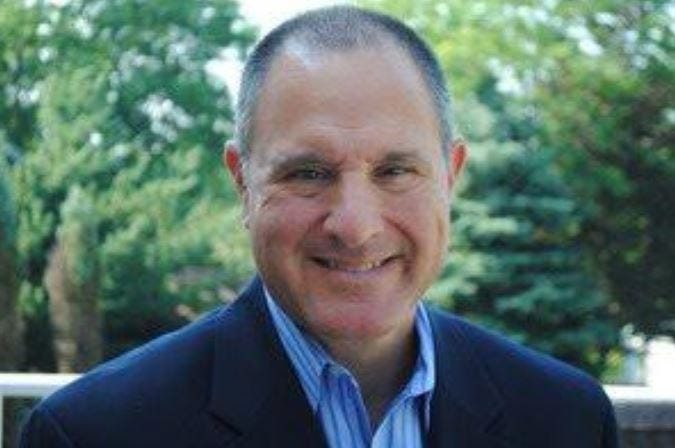
Ron Hart is a libertarian op-ed humorist and award-winning author. Contact him at Ron@RonaldHart.com or @RonaldHart on Twitter.

What's your view?

Write a letter to the editor.

"Southerners occupy five of the top five positions of most obese states, which is even more reason to get a colonoscopy."

This article originally appeared on Crestview News Bulletin: My colonoscopy — going boldly where no man has gone

What happened to Thanksgiving?

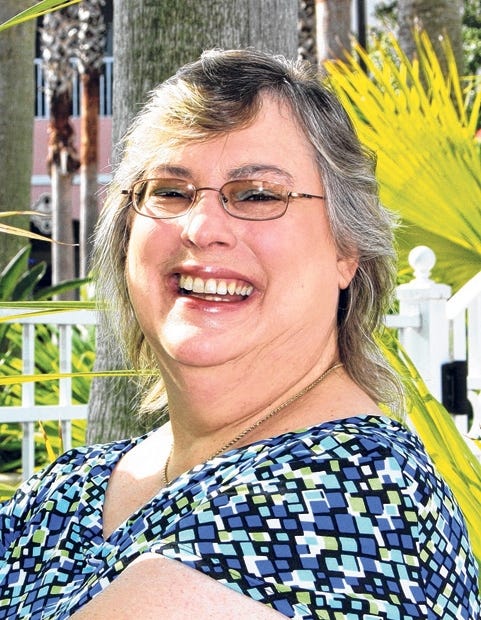
Janice Lynn Crose, a former accountant, lives in Crestview with her husband, Jim; her two rescue collies, Shane and Jasmine; and two cats, Kathryn and Prince Valiant.

It seems as though Halloween ended and Christmas began. When and why did we abandon Thanksgiving?

The first Thanksgiving was celebrated because the Pilgrims were thankful for surviving the previous year; thankful to the Lord and to the local Indians for their help.

The Pilgrims landed with 116 passengers at Cape Cod about Nov. 9, 1620. Following the winter of 1620-1621, only half of the passengers and crew survived.

In the spring of 1621, an Indian named Squanto came and kindly taught these settlers how to live off the land, catch fish and plant corn and other local crops.

In the fall, when the crops had been harvested, Gov. William Bradford declared a Harvest Feast for both the settlers and the native Indians.

The settlers hunted fowl and the Indians brought deer to the feast while the women cooked up some delicious dishes. While we know about the venison, fish and fowl, there was probably a type of corn bread, as well as local vegetables that the Indians had taught the settlers how to plant and harvest.

Different sorts of tree nuts may have been harvested and used in various recipes. Since there was no wheat or butter, pies wouldn't have been included, and the beverage of the day would have likely been water.

The feast lasted for three days, according to the Smithsonian Magazine’s website. Think of how full we'd be if we ate Thanksgiving dinner for three days.

Thanksgiving was recognized in 1777 by a Proclamation of the Continental Congress. It states, "November 1, 1777: FORASMUCH as it is the indispensable Duty of all Men to adore the superintending Providence of Almighty God; to acknowledge with Gratitude their Obligation to him for Benefits received, and to implore such farther Blessings as they stand in Need of: And it having pleased him in his abundant Mercy, not only to continue to us the innumerable Bounties of his common Providence…."

In 1863, President Lincoln declared Thanksgiving an official national holiday. Let's not overlook Thanksgiving since it is an important day to show gratitude and thankfulness for our bounty.

Wednesday, Nov. 15, there will be a community Harvest Dinner at First Baptist Church, 3972 Second Street, Laurel Hill, hosted by Laurel Hill Presbyterian Church at 6 p.m.

The community is invited; please bring food to share. A wonderful time is always enjoyed at this dinner.

Janice Lynn Crose, a former accountant, lives in Crestview with her husband, Jim; her two rescue collies, Shane and Jasmine; and two cats, Kathryn and Prince Valiant.

This article originally appeared on Crestview News Bulletin: What happened to Thanksgiving?

During holidays, be extra vigilant about protecting financial data

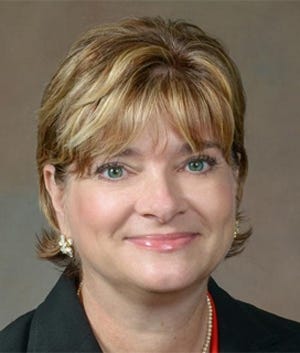
Yvonne Shanklin is an Edward Jones financial adviser. [Special to the News Bulletin]

To help achieve your long-term goals, such as a comfortable retirement, you should save and invest regularly. But that’s only part of the picture. You also need to protect your financial assets in various ways.

One such method is guarding your personal information — especially any information that could be linked to your financial accounts. It’s obviously important to be vigilant at any time, but you need to be even more on your toes during the holiday season, when fraudsters are particularly active.

To help keep your important data under wraps during the holidays, consider these suggestions:

•Extend your protection to all mobile devices. Identity thieves can now compromise your mobile devices by installing spyware that steals usernames, passwords and credit card information. Fortunately, you can fight back. By doing a little research online, you can find the best mobile security software for your needs.

•Use multiple passwords. Online security specialists recommend that you use different passwords for each new online shopping site you visit during the holiday season. Although this might seem like a hassle, it can be helpful, because even if identity thieves were to grab one of your new passwords, they still couldn’t use it for other sites you may visit. And you can even find a free online program that can help you keep track of all your passwords.

•Be suspicious of “huge savings.” It happens every holiday season — identity thieves develop fake sites with attractive graphics and stunningly low prices on a variety of items, especially digital devices. If you fall for these pitches, you won’t get any merchandise, but you might get a handful of headaches once the bad guys have your credit card number and other personal information. To prevent this, be wary of any deal that sounds too good to be true, and do some digging on the websites that offer these mega-savings.

•Watch for fake shipping notices. During the holidays, when you may do a lot of online shopping, you will probably receive some legitimate shipping notices. But the bad guys have gotten pretty good at generating fake notices designed to resemble those from UPS, FedEx and even the U.S. Postal Service. If you were to click on the link provided by one of these bogus notices, you could either take on some malware or get taken to a “phishing” website created by the shipping notice forgers. Your best defense: Only shop with legitimate merchants and only use the tracking numbers given to you in the email you received immediately after making your purchases.

•Keep your Social Security number to yourself. As a general rule, don’t give out your Social Security number online — to anyone. No legitimate retailer needs this number. Finally, be aware that not all attempts at stealing your personal information will come online. When you’re out shopping at old-fashioned, brick-and-mortar stores, consider bringing just one credit card with you — and protect that card from prying eyes.

By following these precautions, you should be able to greatly reduce the risk of being victimized by identity thieves and other miscreants. And the more comfortable you are in doing your holiday shopping, the more you can enjoy the season.

This article was written by Edward Jones on behalf of your Edward Jones financial adviser.

This article originally appeared on Crestview News Bulletin: During holidays, be extra vigilant about protecting financial data

God watches over us

The Rev. Mark Broadhead is pastor at Laurel Hill Presbyterian Church and First Presbyterian Church of Crestview. [File photos | News Bulletin]

Before I jump into the continuation of my look at Psalm 23, I wish to offer my heart-felt thanks to all veterans who have served our country, putting themselves in harm’s way in order to help keep America free and great. Thank you!

Verse 4 in Psalm 23 says this: "Even when I walk through the darkest valley, I will not be afraid, for you are close beside me. Your rod and your staff protect and comfort me."

Everyone has had times when they were afraid — military persons in times of battle, first responders in the midst of a crisis, people facing health issues and drastic changes in life.

Whether the fear was because of a real danger facing you, that of a friend, a time of deep loss, or great anguish over a dumb mistake that was made, dark times have been real.

These kinds of events are a part of life, unfortunately. But as you go through them, you can teach yourself to remember that God never leaves your side. He is beside you every step of the way. He guides you just as a loving and caring shepherd uses the shepherd’s crook to keep sheep in his charge safe.

The shepherd’s crook is used to pull a sheep from danger. It is used to nudge a sheep that may be stubborn, not paying attention, or wandering away from the flock.

God does the same with his sheep. When God nudges you, it is a reminder that he is watching over you. He neither slumbers nor sleeps. He never takes his eyes off you.

God provides his protection and his comfort. All you need do is remember he is there and you will feel his presence. You will feel his love. And you can then trust he will provide the right guidance to lead you out of any darkness that may try to surround you.

The Rev. Mark Broadhead is pastor at Laurel Hill Presbyterian Church and First Presbyterian Church of Crestview.

This article originally appeared on Crestview News Bulletin: God watches over us

My Druncle Mac’s take on the Harvey Weinstein fallout

We took my parents home to Alabama for the Crimson Tide vs. LSU game Saturday, and I had occasion to get some insight into current events from my Druncle Mac. I pass on his blue collar views because I feel strongly that they go a long way to explain why Trump is President.

Mac will never win a humanitarian award. I once saw him call the manager over when he saw a baby changing station in an airport men’s restroom to tell him, “There must be some kind of design flaw.” He made the manager promise to look into it. He also says, “I have two favorite songs. One is Elvis’ rendition of ‘Dixie,’ the other is not.”

Confronted about his “drinking problem,” he said, "When you think about it, it’s really the police’s problem.”

My Druncle Mac had an interesting take on the Harvey Weinstein case: “I’m lucky to be too poor to have any accusers come forward to say I got grab-ass with them years ago.”

His point is that sexual harassment claims are a rich man’s problem. These women (via a Gloria Allred-type attorney) all seem to be coming out saying they were inappropriately touched years ago. By whom? The answer, all too often is, “anyone willing to settle.”

Long ago, Los Angeles declared itself a sanctuary city for powerful, ugly, nasty old men. Men that ugly can only get action by trafficking in their power. The same can be said for powerful politicians in D.C. Washington has long been the Hollywood for ugly people.

Mac went on to pontificate that most of these “victims” who suddenly came forward with claims of sexual harassment had to know Weinstein’s reputation and went to his hotel room anyway. When one actress was asked, “Why didn’t you NOT go to a married movie producer’s hotel room, knowing what you know about him?”, she responded, “And give up on show business?”.

There is always truth in his drunken, blue-collar observations. He readily admits men are cads. Mac has always said, “God created man in just one day, on the seventh, when He was probably not paying attention — and it shows.”

Free market capitalism quickly punishes boorish-like Harvey Weinsteins. Just when you think no one could mess up his career worse than Harvey Weinstein, Kevin Spacey pops up and says, “Wait a second, hold my Appletini.”

There might be a comeback opportunity for Spacey and Weinstein: I hear Subway is looking for a new spokesman.

Keep in mind, Druncle Mac has not had the best relationships with women. I once asked him how he and his then-wife were doing, he said, “Ronnie, not so great. We took out large insurance policies on each other; now it’s just a waiting game.”  This from a man who does not buy car insurance. We were watching a Geico commercial on TV that promised to save 20 percent on car insurance. Mac said that was nothing; he saved 100 percent on car insurance by leaving the scene of every accident he’s ever been in.

In essence, Weinstein was using his position and extorting ambitious actresses for sex. Awful, yes, but being a horn-dog jerk is not a crime. Otherwise, Bill Clinton would be serving life.

Rape and assault are serious crimes and should be examined in this case. The sad thing is that, in some states, the woman who taped Weinstein in his hotel room proving her case would face felony eavesdropping charges. The reluctance to come forward could be traced to our unchecked and convoluted legal system where “Russian collusion” investigations end up with unrelated bystander charges.

Both Mac and Harvey are walking and talking testaments to the fact that telling someone to “just be yourself” is terrible advice to give some people.

There are always going to be creeps, and piling on after not saying anything when it happened do not make victims “heroes.”

This #Me,too seems too late, victimizing and self-congratulatory. But Hollywood created this world.

Weinstein, Ratner, et al. are still around Hollywood. Bill Cosby, Woody Allen and O.J. are too.

Ron Hart is a libertarian op-ed humorist and award-winning author. Contact him at Ron@RonaldHart.com or @RonaldHart on Twitter.

What's your view? Write a letter to the editor.

"These women (via a Gloria Allred-type attorney) all seem to be coming out saying they were inappropriately touched years ago. By whom? The answer, all too often is, 'anyone willing to settle.'"

This article originally appeared on Crestview News Bulletin: My Druncle Mac’s take on the Harvey Weinstein fallout

How to share your financial 'abundance' with your family

Yvonne Shanklin is an Edward Jones financial adviser. [Special to the News Bulletin]

Thanksgiving is almost here. Ideally, this day should be about more than football and the imminent arrival of Black Friday mega-sales. After all, the spirit of the holiday invites us to be grateful for what we have and for the presence of our loved ones.

But it's important to look beyond just one day in November if you want your family to take part in your "abundance."

If you want to ensure your financial resources eventually are shared in the way you envision, you will need to follow a detailed action plan, including these steps:

Identify your assets. If you haven't done so already, it's a good idea to take an inventory of all your financial assets — your retirement accounts (401(k) and IRA), other investments, life insurance, real estate, collectibles and other items. Once you know exactly what you have, you can determine how you would like these assets distributed among your loved ones.

•Get professional help. To ensure your assets go to the right people, you will need to create some legal documents, such as a will and a living trust. The depth and complexity of these instruments will depend a great deal on your individual circumstances, but in any case, you certainly will need to consult with a legal professional because estate planning is not a "do-it-yourself" endeavor. You may also need to work with a tax professional and your financial advisor, as taxes and investments are key components of the legacy you hope to leave.

•Protect your financial independence. If your own financial resources were to become endangered, you clearly would have less to share with your loved ones, and if your financial independence were jeopardized, the result might be even worse — your adult children might be forced to use their own resources to help support you. Consequently, you will need to protect yourself, and your financial assets, in several ways. For one thing, you may want to work with your legal professional to create a power of attorney, which would enable someone — possibly a grown child — to make financial decisions for you, should you become incapacitated. Also, you may want to guard yourself against the devastating costs of long-term care, such as an extended nursing home stay. Medicare typically pays very little of these expenses, but a financial advisor may be able to suggest techniques or products that can help.

•Communicate your wishes. Once you have all your plans in place, you'll want to communicate them to your loved ones. By doing so, you'll be sparing your loved ones from unpleasant surprises when it's time to settle your estate.

And, second, by making your plans and wishes known to your family well in advance of when any action needs to be taken, you'll prepare your loved ones for the roles you wish them to assume, such as taking on power of attorney, serving as executor of your estate, and so on. And you'll also want to make sure your family is acquainted with the legal, tax and financial professionals you've chosen to help you with your estate plans.

Thanksgiving comes just once a year. Taking the steps described here can help ensure your family will share in your financial abundance as you intended.

This article was written by Edward Jones on behalf of your Edward Jones financial adviser.

This article originally appeared on Crestview News Bulletin: How to share your financial 'abundance' with your family

Time to apply for Master Gardener volunteer training

Larry Williams is an agent at the University of Florida's Institute of Food and Agricultural Sciences Extension office in Crestview. [Inset Special to the News Bulletin]

The University of Florida Extension Office in Okaloosa County is taking applications for the 2018 Master Gardener volunteer training course.

The Master Gardener Program in Florida is a joint endeavor of the University of Florida's Institute of Food and Agricultural Sciences Extension and gardening volunteers in participating counties.

This program is designed to recruit and train volunteers to help meet the demands placed on extension personnel by home gardeners.

The mission of the Master Gardener volunteer program is to assist Extension Agents in providing research-based horticultural education to Florida residents.

Primary requirements for participation in the Master Gardener Program are:

•A sincere interest in horticulture.

•Willingness to work with and help other people.

•Time and flexibility to complete all requirements of the program.

Master Gardener training classes will be held 9 a.m. to 1 p.m. each Tuesday from Jan. 9 to April 17. Most of the classes during this 15-week course will be held at the Gerald R. Edmondson Extension Building, 3098 Airport Road, Crestview.

Instruction includes classroom training by County Extension faculty and UF-IFAS Extension specialists.

Training includes sessions on botany, soils, insects, plant pathology, landscape plant care, vegetable and fruit gardening, lawn management, landscape design and irrigation.

After successfully completing the program, participants will be ready to begin 75 hours of volunteer service agreed to in return for training.

Volunteer activities include answering questions via phone calls, emails and walk-in visits at the Extension office from other gardeners wanting landscape or garden information. Master Gardeners give and/or assist in giving educational presentations for various groups. They help staff plant clinics to assist in diagnosing lawn, landscape and garden problems. They create, install and staff educational exhibits. They provide technical advice to teachers who wish to have garden projects at their schools and assist with the 4-H youth program.

Other duties include acting as judges for contests or fairs. They may write and/or compile information for newsletters and news articles. They conduct soil tests. They install and/or maintain demonstration gardens. They also are responsible for keeping records of their volunteer activities and attending recertification courses to stay current in the field of residential horticulture and environmental issues.

Basically, their volunteer activities are designed to assist the UF-IFAS Extension Office while providing reliable horticulture information to the residents of Okaloosa County.

The course fee is $150. Space is limited.

Call the Extension office at 689-5850 to request an application for the 2018 Master Gardener volunteer training course. Applications must be returned by Dec. 1 to be considered.

Larry Williams is an agent at the University of Florida's Institute of Food and Agricultural Sciences Extension office in Crestview.

This article originally appeared on Crestview News Bulletin: Time to apply for Master Gardener volunteer training

error: Content is protected !!