Please ensure Javascript is enabled for purposes of website accessibility
Skip to main content
Advertisement

Center has urgent need for O negative blood donations

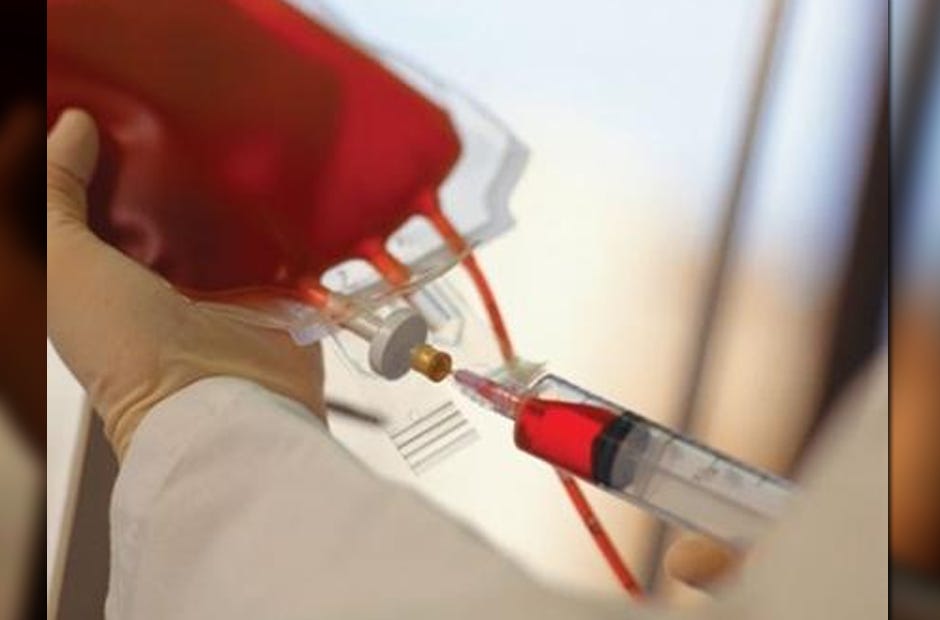
PENSACOLA, Fla. — OneBlood, a local blood center, stated in a media release that there is a dramatic increase in the demand for O Negative blood by area hospitals and as a result is urging people with O Negative blood to donate as soon as possible.

The type is in constant demand because O Negative red blood cells can be given to any patient regardless of the recipient’s blood type.

Trauma patients, cancer patients and premature babies are among the people requiring O Negative blood every day.

Generally healthy people age 16 or older who weigh at least 110 pounds can donate blood.

Crestview donor center hours are 10 a.m. to 5:30 p.m. Mondays and Thursdays; 8 a.m. to 5:30 p.m. Tuesdays and Fridays; and noon to 5 p.m. Sundays at 2400 S. Ferdon Blvd., Suite B. Phone: 306-2455.

For a list of other One Blood Donor Centers and Big Red Bus blood drives, go to www.oneblood.org/donate-now/.

This article originally appeared on Crestview News Bulletin: Center has urgent need for O negative blood donations

SHANKLIN: Financial tips for college students

“The (financial) aid package you may have received as an incoming freshman doesn’t have to be the final word on financial assistance.”

If you’re a college student, you may already be back on campus. If not, you don’t have long to go before school starts again.

And this year, in addition to whatever courses you may be taking, try to master some financial lessons.

Of course, many students already have at least one foot in the “real world,” because, in addition to taking classes, they’re working many hours a week to help pay for school, rent and living expenses.

But even if you’re a full-time student, living on campus and paying for school through a combination of grants, loans, savings and help from your parents, you can learn some financial basics that can help you throughout your adult life.

Specifically, consider these suggestions:

Don’t overuse credit cards. Credit card marketers aggressively target college students, so you’ll need to be vigilant about all the offers that will bombard you. While it might not be a bad idea to carry a single credit card for use in emergencies, it’s very easy to over-use the “plastic” and rack up big debts. You’ll need to discipline yourself to save for the things you want, rather than charging them.

Shop around for financial services. You’ll find plenty of banks willing to give you a T-shirt or a frying pan for opening an account with them. But these places may not be offering you the best deal on checking or savings accounts or loans. It pays to shop around.

Keep track of your student loans. Make sure you understand all the terms of your student loans: how much you’re expected to pay each month, when payments are due, what interest rate you’re paying, what credits may be available for on-time repayment, etc. You might be able to achieve a more favorable repayment schedule by consolidating two or more loans. Once you start repaying your loans, do whatever you can to stay on track with your payments.

Never stop looking for financial aid. The aid package you may have received as an incoming freshman doesn’t have to be the final word on financial assistance. Colleges offer some scholarships based on college-level academic achievement or real-world experience — both of which you may have accumulated since your freshman year. Study your college’s scholarships and be aggressive in going after them.

Estimate your future income. You may not know exactly what you want to do when you graduate, but if you have a career path in mind, try to learn what sort of salary you can expect during your first few years out of college.

Once you have a realistic idea of how much you’re going to earn, you may have the motivation you need to avoid bad financial practices, such as accumulating big debts.

College should be a learning experience — in many ways. And if some of the knowledge you obtain during your college years can help you develop sound financial habits, so much the better.

This article was written by Edward Jones on behalf of your Edward Jones financial adviser.

This article originally appeared on Crestview News Bulletin: SHANKLIN: Financial tips for college students

Crestview church homecoming features Singing Dyess Family

CRESTVIEW — Valley Road Baptist Church will have two days of service to celebrate homecoming.

The first service — 6:30 p.m. Aug. 27 at the church, 1018 Valley Road, Crestview — will feature music by The Singing Dyess Family of Opp, Ala. Light refreshments will follow.

The next service begins 10 a.m. Aug. 28 at the church. Rev. Harold Morris will preach at the 11 a.m. service; lunch follows at noon.

This article originally appeared on Crestview News Bulletin: Crestview church homecoming features Singing Dyess Family

Florida Highway Patrol offers 7 child safety awareness tips

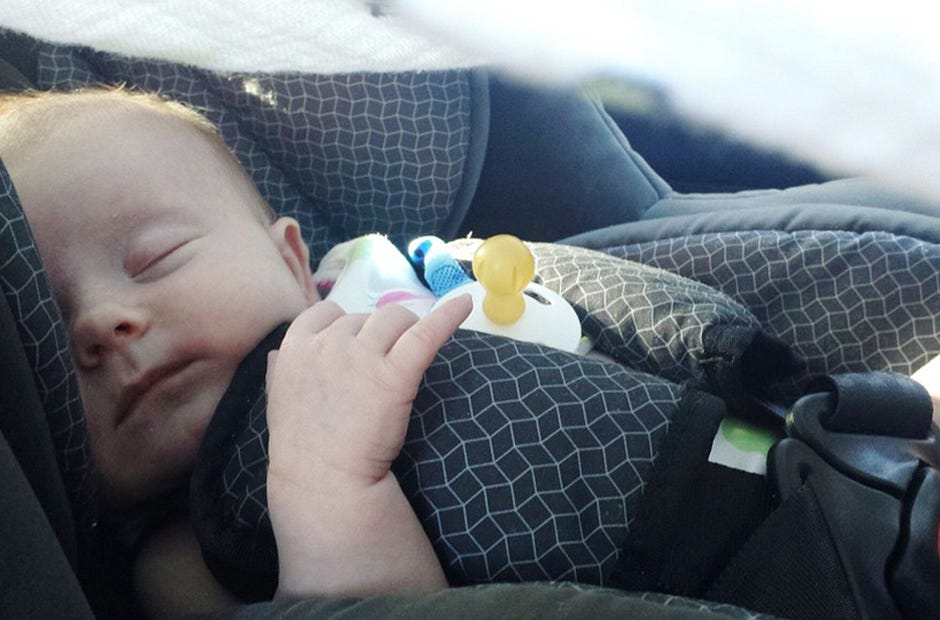
Children under age four must be in a car seat and as of January 1, 2015, children age four and five must be in a car seat or booster seat. Drivers will be charged if any passenger under 18 is not properly buckled in.

TALLAHASSEE, Fla. – This month, the Florida Department of Highway Safety and Motor Vehicles is reminding motorists to focus on child safety in vehicles as well as on and around Florida roads as part of Child Safety Awareness Month in August.

DHSMV Executive Director Terry L. Rhodes said, “In the heat of the Florida summer, when more children will be out on the road preparing for the start of school, it is very important to remember that whether driving through a school zone or taking a family trip, motorists must do everything possible to ensure our children arrive alive.”

The department and its partners are also reminding motorists to never leave a child unattended or unsupervised in a motor vehicle. It is extremely hot, especially during the Florida summer, and leaving a child in a car can result in the child’s injury or death.

“It is critically important to ensure the safety of our children in vehicles as they travel our state’s roadways. That means properly restraining children according to their age, size and weight,” said Colonel Gene S. Spaulding, Director of the Florida Highway Patrol. “FHP encourages everyone in the vehicle to buckle up, including passengers in the back seat. Remember, as the caregivers for these young lives, it’s your responsibility to ensure they are safe.”

Additional safety tips for parents and all motorists to keep kids safe in and around vehicles:

●Children under age four must be in a car seat and as of January 1, 2015, children age four and five must be in a car seat or booster seat. Drivers will be charged if any passenger under 18 is not properly buckled in.

●Read the car seat’s instruction manual and the portion of your vehicle’s owner manual when you install a car seat. Visit a local FHP station to ask a car-seat certified trooper to help install your seat.

●In passenger vehicles, children under the age of 13 should be secured in the rear seat; airbags can injure or kill young children in the front seat. Never place a rear-facing car seat in front of an airbag.

●Be alert and watch for children especially near schools, bus stops, school buses and in school parking lots. Always watch for and obey signals from school crossing guards.

●Never sit on the roadway or the curb while waiting for the school bus; wait in a safe place away from the road.

●Children on bicycles can be unpredictable and can make sudden changes in direction. Be especially careful when children are present in school zones and residential areas.

●Be alert while backing up and designate safe play areas away from vehicles.

Visit the DHSMV’s website, www.flhsmv.gov/safety-center/vehicle-and-child-safety/child-safety/, for more information and use the hashtag #ChildSafetyFL throughout the month to add and share important child safety information.

●Preliminarily in 2015, there were 66,091 crashes in Florida involving children under the age of 18, resulting in 25,992 injuries and 149 fatalities, a 25 percent increase in fatalities from 2013.

●Preliminary numbers show that in 2015, 1,165 children were injured wearing no safety restraint in a vehicle and law enforcement issued more than 21,000 citations to motorists for not properly securing children in a vehicle. Florida law requires that all drivers and all passengers under the age of 18 wear a safety belt.

●More than 200 children under the age of 6 were injured in crashes not wearing any type of seat restraint. 

Some statistics

This article originally appeared on Crestview News Bulletin: Florida Highway Patrol offers 7 child safety awareness tips

HEATH: 7 end-of-summer reads

These seven books are some of the award winners available for check out at the Crestview Public Library.

Summer is a great time to catch up on all the books you’ve been wanting to read.

Here are some suggestions of quality, award-winning books available for checking out at the Crestview Public Library.

"All the Light We Cannot See" by Anthony Doerr. A blind French girl and a German boy have a chance encounter in occupied France during World War II. Doerr's book received the Alex Award (given to 10 books written for adults that also appeal to 12- through 18-year-olds.)

"Station Eleven" by Emily St. John Mandel. "An audacious, darkly glittering novel about art, fame and ambition set in the eerie days of civilization's collapse," the publisher states. St. John Mandel's novel won the Arthur C. Clarke Award, which recognizes the best science fiction novel published for the first time in the United Kingdom in the previous year.

"The Adventures of Beekle: The Unimaginary Friend" by Dan Santat. "This magical story begins on an island far away, where an imaginary friend is born," the publisher states. "He patiently waits his turn to be chosen by a real child, but when he is overlooked time and again, he sets off on an incredible journey to the bustling city, where he finally meets his perfect match." Santat's book won the Caldecott Medal, which recognizes the most distinguished American picture book for children.

"Brown Girl Dreaming" by Jacqueline Woodson. "In vivid poems, (the author) shares what it was like to grow up as an African American in the 1960s and 1970s, living with the remnants of Jim Crow and her growing awareness of the Civil Rights movement," the publisher states. Woodson's biography won the Coretta Scott King Author Award, which recognizes African-American authors’ outstanding contributions to children's literature, promoting a better understanding and appreciation of the culture and contribution to the realization of the American Dream.

"Mr. Mercedes" by Stephen King. " ‘Mr. Mercedes’ is a war between good and evil, from the master of suspense whose insight into the mind of this obsessed, insane killer is chilling and unforgettable," the publisher states. It won the Edgar Allan Poe Best Novel Award, which recognizes authors for outstanding contributions in mystery, crime and suspense writing.

"Redeployment" by Phil Klay. "Interwoven with themes of brutality and faith, guilt and fear, helplessness and survival, the characters in these stories (about the war in Afghanistan) struggle to make meaning out of chaos," the publisher states. Klay's novel won the National Book Foundation's Fiction Award, which honors American books of the highest literary merit.

"The Sixth Extinction: An Unnatural History" by Elizabeth Kolbert. This Pulitzer Prize winning fictional work tells the "future of the world, blending intellectual and natural history and field reporting into a powerful account of the mass extinction unfolding before our eyes," the publisher states.

Marie Heath is the Crestview Public Library's director.

This article originally appeared on Crestview News Bulletin: HEATH: 7 end-of-summer reads

CATALENA: 7 steps to tailgate food safety

It's important to follow temperature guidelines for safety when preparing tailgate foods.

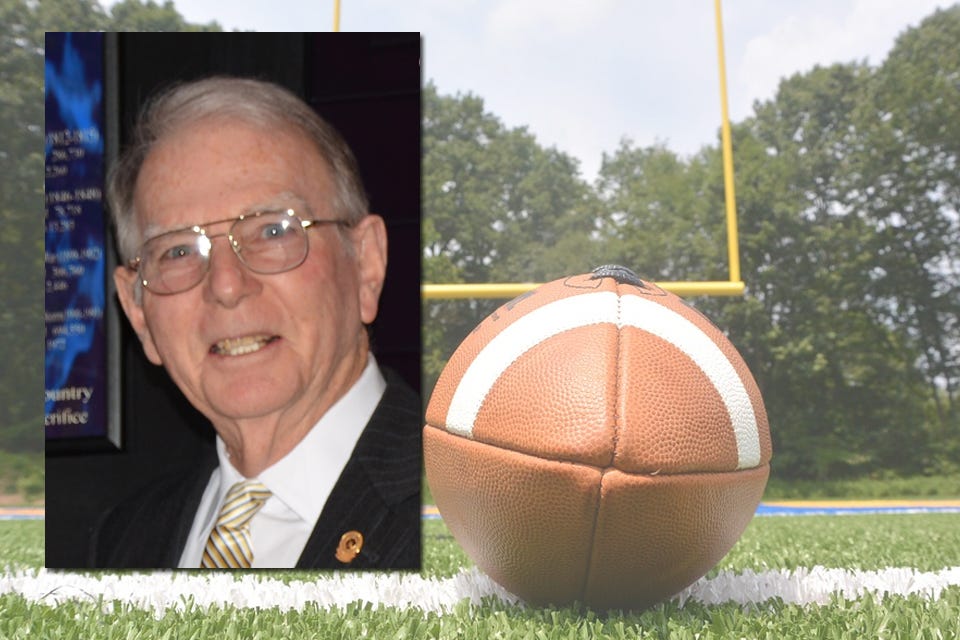
Tis the season! College football season that is. We are less than a month away and the college rivalry begins. Team flags will start to appear on the front lawn, casual Fridays in the office will change to a college polo and the best part of all…tailgating!

More on tailgating food safety>>

Tailgating is an American tradition where food is cooked and served on and around the tailgate of a vehicle.

While tailgating can be fun for the family and friends, let’s not forget food safety. Cooks have to take precautions to keep the food safe during those tailgating events, while refrigerators are not available.

Here's how to keep food safe while tailgating.

●Carry cold perishable food like raw hamburger patties, hotdogs, and chicken in an insulated cooler packed with ice or gel packs. Place an appliance thermometer in the cooler so you can check to be sure the food stays at 40F or below.

●Perishable cooked food such as lunch meat, potato or pasta salad must be kept cool too.

●If bringing hot take-out food, eat it within 2 hours of purchase (1 hour if the temperature is above 90F).

●Include lots of clean utensils for preparing and serving the safely cooked food.

●Pack clean, wet, disposable cloths or moist towelettes and paper towels for cleaning hands and surfaces.

●In addition to a grill and fuel for cooking food, pack a food thermometer so you can check and make sure the meat and poultry reach a high enough temperature to destroy harmful bacteria that may be present.

●When taking food off the grill, use a clean platter. Don’t put cooked food on the same platter that held raw meat or poultry. Any harmful bacteria present in the raw meat juices could contaminate safely cooked food.

These are the safe minimum internal temperatures for tailgating and other outdoor sporting events:

●All poultry, 165°F

●Ground meats, 160°F

●Beef, pork, lamb, and veal steaks, roasts, and chops, 145°F*

●Leftovers, 165°F

●Reheating, 165°F

*As measured with a food thermometer before removing meat from the heat source. For safety and quality, allow meat to rest for at least three minutes before carving or consuming. For reasons of personal preference, consumers may choose to cook meat to higher temperatures.

Rebecca Catalena is an agent at the University of Florida's Institute of Food and Agricultural Sciences Extension office in Crestview.

This article originally appeared on Crestview News Bulletin: CATALENA: 7 steps to tailgate food safety

Crestview church offers AWANA program for youths

CRESTVIEW — The Joy Fellowship church will have AWANA classes for children in kindergarten through fifth grades.

The yearly registration fee for the Approved Workmen Are Not Ashamed classes is $35 per child, which includes the uniform, bookbag and book.

Registration is 6:30-8 p.m. Aug. 17 in the church sanctuary, 5978 Old Bethel Road.

Classes are 6:30-8 p.m. Wednesdays starting Aug. 24 at the church.

Call 682-6219 for details.

This article originally appeared on Crestview News Bulletin: Crestview church offers AWANA program for youths

Okaloosa County 4-H sets Farm Safety Day Camp

The Okaloosa County 4-H Safety Camp will include archery tips. It is 8:30 a.m. to 3 p.m. Sept. 10 at the Baker Arena, 5503 US Highway 4.

BAKER — Okaloosa County 4-H presents a full day of fun for youths at the Farm Safety Day Camp.

The event is for children ages 8-18. Those younger than 8 may attend if accompanied by a parent.

The entrance fee is $5 per child for the camp, which is 8:30 a.m. to 3 p.m. Sept. 10 at the Baker Arena, 5503 US Highway 4. The fee includes lunch, a T-shirt, classes and a goodie bag.

Participation is limited to the first 100 applicants.  Activities include archery safety, ATV safety, bug and plant identification and Ranger snake identification.

Parents may also get their car seat installations checked from 9-11 a.m.

The registration deadline is 5 p.m. Sept. 1; call the Okaloosa County Extension Office, 689-5850.

This article originally appeared on Crestview News Bulletin: Okaloosa County 4-H sets Farm Safety Day Camp

BUCK: Stick to a budget; avoid credit card crises in college

GAINESVILLE — You’re heading to college for the first time or returning to campus, and you decide with your parents to get a credit card in your name. A University of Florida Institute of Food and Agricultural Sciences financial expert says you can use credit wisely by sticking to a few key points.

The two biggest mistakes college students make with credit cards are taking on too much debt and failing to make payments even if your credit card bill comes with a low amount due, said Michael Gutter, associate professor of family financial planning and associate dean for UF/IFAS Extension.

Here are some of Gutter’s top tips for college students trying to stay financially savvy:

●Set a budget and communicate with your family so you can avoid pitfalls others might see. Communicating with your parents before buying items on a credit card, is key. “Research shows youth who had greater discussions about their personal finances were less likely to engage in risky credit behavior,” Gutter said. “In addition, maintain a budget. Stay organized and be willing to ask for help or advice before it gets out of hand.”

●If you’re going to use credit cards, make sure you are growing your positive credit history and continue consulting with your parents.

●Avoid credit cards altogether, or get cards with low spending limits or limited use. Then, set rules such as only charging what you could otherwise pay for in cash.

You can get more good information from your county’s UF/IFAS Extension office (http://bit.ly/1Q8wguw) or by going to the National Endowment for Financial Education, http://bit.ly/2aTerSx.

Brad Buck is a University of Florida Institute of Food and Agricultural Sciences science writer.

This article originally appeared on Crestview News Bulletin: BUCK: Stick to a budget; avoid credit card crises in college

University of Florida has student nutrition survival, eating tips

Poor nutrition habits can have a negative impact on health, body weight, and, behaviors formed during this initial period of independence can last a lifetime, said Anne Mathews (inset), a UF/IFAS assistant professor of food science.

GAINESVILLE — When you get to college, and you’re trying to eat well, there are so many temptations and challenges — fast foods and late-night pizza, navigating the dining halls, limited transportation to grocery stores.

For most college students, this is the first time living away from home. This new found independence is exciting, but comes with challenges, says a University of Florida Institute of Food and Agricultural Sciences researcher and University of Florida Institute of Food and Agricultural Sciences Extension specialist.

Poor nutrition habits can have a negative impact on health, body weight, and, behaviors formed during this initial period of independence can last a lifetime, said Anne Mathews, a UF/IFAS assistant professor of food science. While the so-called “Freshman 15” is a bit of an exaggeration, most college students gain excess weight. On average, college students gain about 7 pounds during the first year, and many continue to gain weight at a slower rate throughout college.

Mathews works as an investigator on a national project that’s trying to get college students to live healthier lifestyles, says you can eat healthy meals in college just by paying attention to a few details.

“Like other adults, the college students we work with choose their foods based on taste, price and convenience,” said Anne Mathews, a UF/IFAS assistant professor of food science and human nutrition and a registered dietitian. “Many also say they select foods based on what they perceive will keep them full for the longest period of time as they are often unsure where and when their next meal will come with classes, club meetings, and hours of studying.”

National statistics show an alarming increase in adolescent obesity, the target of this study. The percentage of people aged 12 to 19 who were obese increased from 5 percent to nearly 21 percent from 1980 to 2012, according to the U.S. Centers for Disease Control and Prevention.

Knowing these factors, here are some of Mathews’ tips to help college students live healthfully on campus:

•Keep your favorite fruits and vegetables on hand. If they taste good to you, you are more likely to eat them regularly.

•Aim for at least three different foods at each meal. Pack a few fruits and veggies to go with you each day so you can supplement meals where they aren’t offered, or enjoy as a snack.

•Plan ahead. Glance at your schedule regularly and think about where and what you will eat. Stick to your plan.

•At the dining hall or any other place a meal is offered, scan your choices and fill half your plate with vegetables and fruit first. Then add the entrée.

•Eat a protein-rich food at each meal. Nuts, seeds, cheese and yogurt are easy, convenient choices that you can pack yourself if needed.

•Invest in a great “to go” or lunch box. Pick one that fits your backpack and has compartments to keep foods separate.

•Learn how to make a few simple, healthy meals that don’t require many ingredients or utensils. Search the Internet for easy recipes that can be cooked in a microwave.

•If transportation is a challenge, ask a friend for a ride, ride your bike with a backpack or take the bus on the weekend to the grocery store, and only buy what you can eat and store for the next several days. Avoid buying less healthy snacks like chips and cookies. Spend your money and storage space on your favorite nutrient rich foods.

•Encourage campus organizations to offer healthier options at meetings where food is provided. With a little effort and planning, it can be done.

Mathews is part of team of researchers putting together a nationwide program called Get Fruved. This is a campaign that uses peer interaction to try to get high school and college students to eat more fruits and vegetables, exercise more and manage stress more effectively.

UF students are involved in creating the program from a $4.9 million federal research and extension grant awarded in 2014. Mathews is the primary investigator for UF’s part of the study.

Click on www.fruved.com for more information.

Brad Buck is a University of Florida Institute of Food and Agricultural Sciences science writer.

This article originally appeared on Crestview News Bulletin: University of Florida has student nutrition survival, eating tips

error: Content is protected !!