Please ensure Javascript is enabled for purposes of website accessibility
Skip to main content
Advertisement

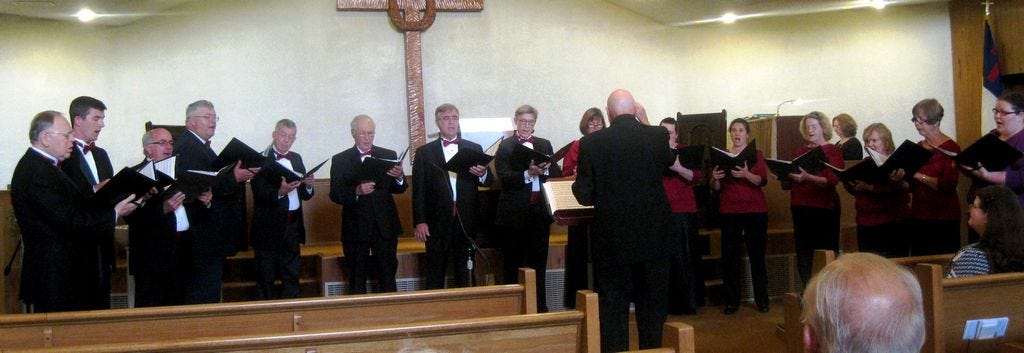
Schola Cantorum performs 'Evening at the Opera'

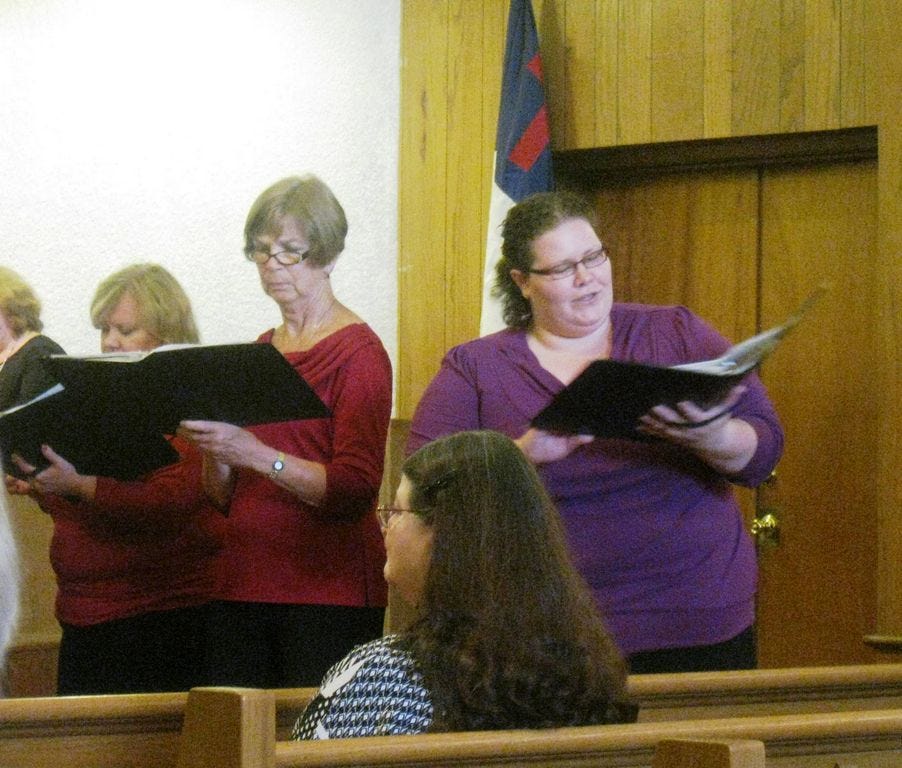
Laura Hernandez's solos enhanced several numbers during Schola Cantorum's May 12 Crestview concert.

CRESTVIEW — First Presbyterian Church of Crestview’s weekend Centennial Celebration kicked off Thursday night with Schola Cantorum’s spirited performance of classical, Broadway and American Songbook favorites.

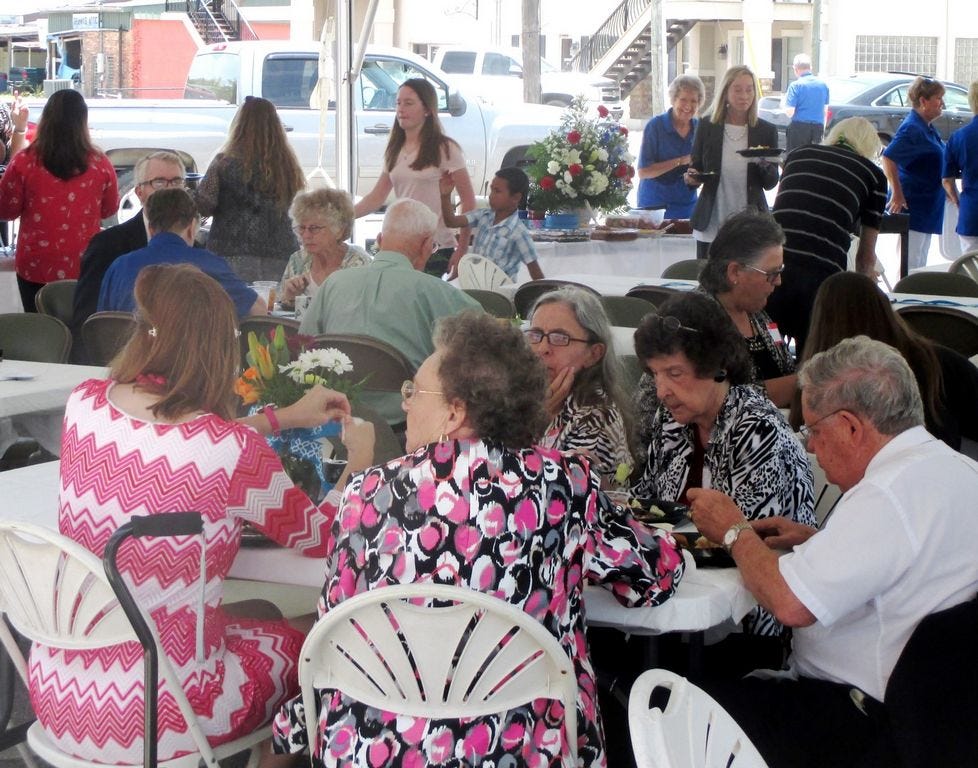
The church, long the Crestview host for the 15-voice Northwest Florida State College community chorus’ twice-yearly concerts, continued celebrating 100 years of community service with an 11 a.m. worship Sunday morning, followed by a catered dinner-on-the-grounds.

In their concert, titled “An Evening at the Opera,” Schola Cantorum — Latin for “school of singing” — performed familiar works in multiple languages.

While not all audience members may have recognized the selections by name, the music was certainly familiar.

Many brides, for example, have promenaded down the aisle to Richard Wagner’s 1850 “Treulich Geführt” from the 1850 opera Lohengrin.

Adult contemporary singer Nana Mouskouri’s “Song for Liberty” came from Giuseppe Verdi’s “Van Pensiero” from his opera “Nabucco.”

Verdi’s “Anvil Chorus” from “Il Trovatore” was fodder for the Marx Brothers, showing up in three of their comedies.

Given surprise solos from “Oliver!” and a medley of Irving Berlin favorites, culminating in his 1918 “God Bless America” with its stirring 1938 introduction, the audience left with heads full of hummable songs and anticipation for Schola Cantorum’s Christmas concert.

This article originally appeared on Crestview News Bulletin: Schola Cantorum performs 'Evening at the Opera'

Low-cost rabies vaccination clinic is May 19 in Baker

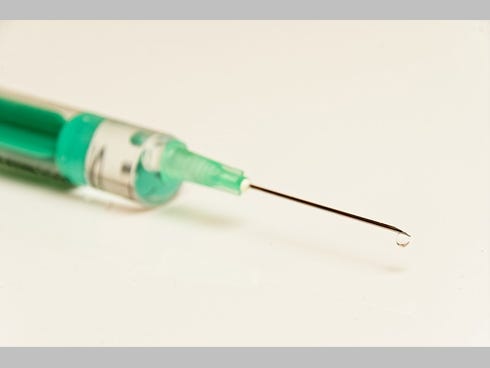
BAKER — The Florida Department of Health in Okaloosa County and the Panhandle Animal Welfare Society are partnering to offer $5 rabies vaccinations.

The clinic — set for 1-4 p.m. May 19 — is at the Baker Community Center, 5503 US Highway 4. Microchips will also be available for $15. All animals must be on a leash or in a pet carrier.

“A special thank you to PAWS and their veterinarians for partnering with us,” stated Dr. Karen A. Chapman, Director of DOH-Okaloosa. “This is a community effort to bring pet owners into compliance with the law, while providing protection against a deadly disease that continues to cause public health concerns.”

 Rabies is a deadly viral disease that can be prevented but not cured. The virus attacks the brain of warm-blooded animals, including people. Even if you consider your dog, cat, or ferret to be an indoor pet, it is important that your pet receive a rabies vaccination.

In 2015, DOH-Okaloosa investigated 1,000 domestic animal (dogs or cats) bites or scratches to other domestic animals or humans. Of those investigated, approximately half were current on their rabies vaccination. The only acceptable proof of vaccination for an animal bite investigation is documentation of the vaccination from a licensed veterinarian.

For more information, visit www.HealthyOkaloosa.com or call 689-7859.

This article originally appeared on Crestview News Bulletin: Low-cost rabies vaccination clinic is May 19 in Baker

Fort Walton Beach Ride of Silence is May 18

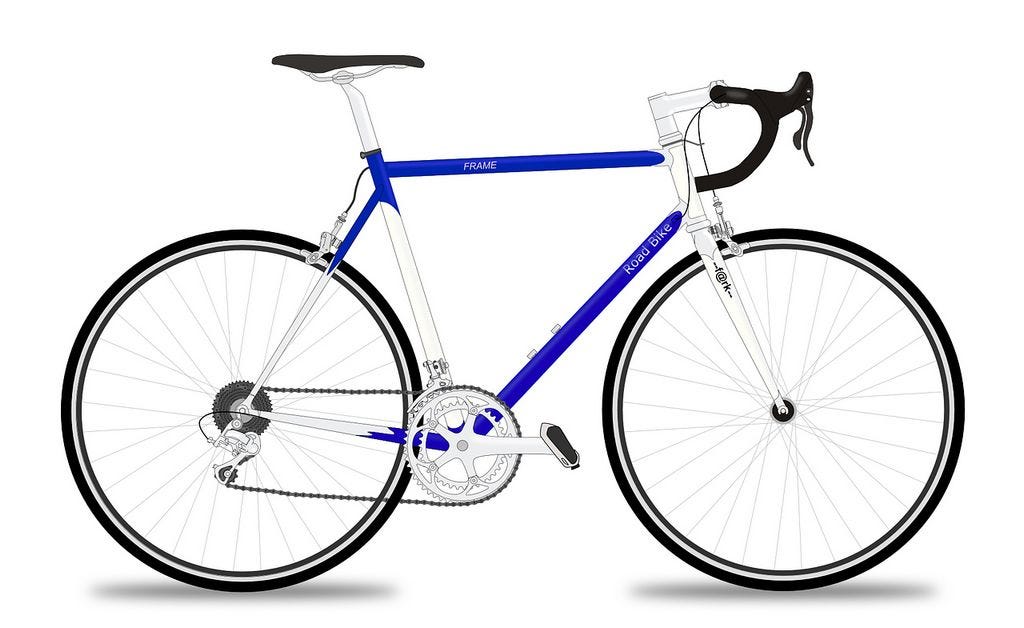
FORT WALTON BEACH — The Emerald Coast Cycling Club will participate in the worldwide 2016 Ride of Silence event.

The six-mile ride — which commemorates cyclists killed on US highways — begins at 6 p.m. May 18 at Choctawhatchee High School, 110 Racetrack Road NW. A route has been established that will provide cyclists' visibility to the community as a whole, but not gridlock afternoon vehicular traffic through Fort Walton Beach.

The one-time event began to honor a Texas cyclist killed in May 2003, and continued as the idea spread from Dallas to all 50 states and 18 countries. It is a way to uphold the concept of bicycles and motorized vehicles coexisting on the same surfaces.  The idea has spread from Dallas to all 50 states and 18 countries around the world.

A Crestview ride is also scheduled

In 2007, 119 cyclists were killed in Pedalcycle traffic accidents in Florida, leading the nation in that disturbing category.   The most alarming statistic is the rate of cycling fatalities in Florida, which topped all states with a 7.3 deaths per million population, nearly double that of second place California and was overwhelmingly ahead of the national average of 2.58 cycling fatalities.  

For more information, see www.rideofsilence.org.

This article originally appeared on Crestview News Bulletin: Fort Walton Beach Ride of Silence is May 18

The high cost of addiction: Opioid epidemic fueling hospitalizations, healthcare costs

Every day, headlines detail the casualties of the nation’s surge in heroin and prescription painkiller abuse: The funerals, the broken families and the patients cycling in and out of treatment. Now, a new study sheds light on another repercussion — how this public health problem is adding to the nation’s ballooning health care costs and who’s shouldering that burden.

The research comes as policymakers grapple with how to curb the increased abuse of these drugs, known as opioids. State legislators in New York, Connecticut, Alaska andPennsylvania have tried to take action by adding new resources to boost prevention and treatment. In addition, President Barack Obama laid out strategies last month intended to improve how the health system deals with addiction.

Published on May 2 in the journal Health Affairs, the study measures how many people were hospitalized between 2002 and 2012 because they were abusing heroin or prescription painkillers, and how many of them got serious infections related to their drug use. It also tracks what hospitals charged to treat those patients and how the hospitals were paid.

The findings? Hospitalizations related to use and dependence on opioids have skyrocketed, from about 302,000 in 2002 to about 520,000 a decade later. During the same time period, the number of these patients who had dangerous infections, like endocarditis or septic arthritis, increased from about 3,400 to 6,535. Those tallies are likely higher now, given the continued growth in opioid abuse, said Matthew Ronan, a hospitalist at the Veterans Health Administration in Boston, an instructor at Harvard Medical School and the study’s primary author.

Meanwhile, those same patients are becoming more expensive to treat. Hospitals charged almost $15 billion in 2012 for opioid-related inpatient care — more than double what they billed in 2002, even after accounting for inflation. More than $700 million of that went to treating patients with the associated infections. And many were uninsured or on Medicaid, the federal-state health insurance program for low-income people.

Opioid overdoses killed more than 28,000 people in 2014, the most recent year for which the Centers for Disease Control and Prevention has public data. That was an all-time high. Experts say increased availability of drugs like heroin and prescription painkillers is driving the problem.

The findings add another layer to efforts to combat addiction, said Wilson Compton, deputy director of the federal National Institute on Drug Abuse. It is already a public health matter, he said, and this research makes the case for a public cost concern, too.

Demographically, there’s a fair bit of overlap between people who are on Medicaid and those who abuse opioids, Compton noted. So it’s not surprising this program shoulders the burden of treating those patients when they get sick. But as more people become eligible for Medicaid through the federal health law that burden could easily grow, he noted.

“It’s tax dollars going to address this issue,” said Compton, who wasn’t involved with the study. “By treating it more effectively and helping prevent these cases, we might be able to save money for all of us.”

Those savings would only be a fraction of health care spending overall, Ronan noted. But being “more proactive” may help to prevent “some of those things from happening,” he added.

Plus, the findings probably underestimate just what opioid abuse costs, Ronan said. For instance, researchers didn’t take into account what it costs to look after patients once they leave the hospital, though the ones with serious infections usually need follow-up care in monitored settings such as skilled nursing facilities or through home care.

“They often require longer-term care — more involved care,” he said. “The cost in infection doesn’t end when they’re discharged.

The $700 million is just the inpatient side, just the start of the cost.”

This article originally appeared on Crestview News Bulletin: The high cost of addiction: Opioid epidemic fueling hospitalizations, healthcare costs


As birth rates fall, teens get less sex education

Teenage girls are catching up to teenage boys in one way that does no one any good: Lack of sex education, according to a recent report.

The proportion of teenage girls between the ages of 15 and 19 who were taught about birth control methods declined from 70 to 60 percent over two time periods, from 2006-2010 and 2011-2013, the analysis of federal data found. Meanwhile, the percentage of teenage boys in the same age group who were taught about birth control also declined, from 61 to 55 percent.

“Historically there’s been a disparity between men and women in the receipt of sex education,” said Isaac Maddow-Zimet, a coauthor of the study and a research associate at the Guttmacher Institute, a reproductive health research and advocacy group. “It’s now narrowing, but in the worst way.” '

The study, which was published online in the Journal of Adolescent Health in March, analyzed responses during the two time periods from the Centers for Disease Control and Prevention’s National Survey for Family Growth, a continuous national household survey of women and men between the ages of 15 and 44.

In addition to questions about birth control methods, the study asked teens whether they had received formal instruction at their schools, churches, community centers or elsewhere about sexually transmitted diseases (STDs), how to say no to sex or how to prevent HIV/AIDS.

Overall, 43 percent of teenage girls and 57 percent of teenage boys said in the most recent time frame that they hadn’t received any information about birth control before they had sex for the first time.

The proportion of young women who said they had been taught about how to say no to sex declined from 89 to 82 percent over the two study periods. For young men, the proportion remained essentially unchanged, inching up to 84 from 82 percent.

There were slight declines in the proportions of young women and men who said they had been taught about STDs and HIV/AIDS, but the responses were above 85 percent during both study periods for both sexes.

Teens talked with their parents to varying degrees about birth control and STDs. However, 22 percent of young women and 30 percent of young men said they didn’t talk with their parents about any of the topics.

Please contact Kaiser Health News to send comments or ideas for future topics for the Insuring Your Health column.

This article originally appeared on Crestview News Bulletin: As birth rates fall, teens get less sex education

Niceville posture seminar set May 24

NICEVILLE — Dr. Jean Jacks with Core Chiropractic will present a talk on poor posture and its effect on your body.

The free event is open to the public. Attendees will learn posture exercises they can do daily, how to stop "text neck" and why "sitting is the new smoking."

The seminar is 5:30-6:30 p.m. May 24 at Core Chiropractic, 1550 E John Sims Parkway, in the Publix shopping center.

Call 678-8048 to reserve your seat due to limited space. 

This article originally appeared on Crestview News Bulletin: Niceville posture seminar set May 24

Yellow River Baptist Church anniversary celebration is June 12

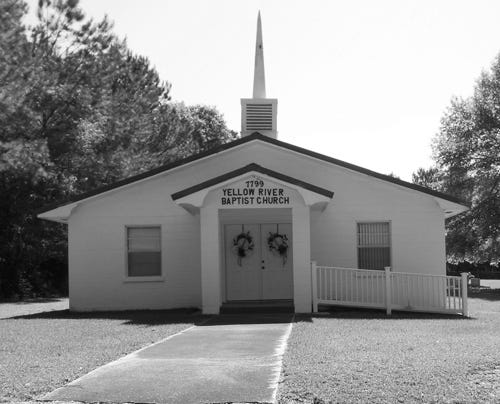
Yellow River Baptist Church members are celebrating its 176-year history in June.

BAKER — Yellow River Baptist Church is celebrating 176 years in ministry.

The faithful will commemorate the occasion with worship, food and fellowship beginning 11 a.m. June 12 at 7799 Yellow River Baptist Church Road, Baker. (The road turns off Highway 2, just west of the Yellow River Bridge). Bring one or more covered dishes if you come.

On Sunday, June 14, 1840, a handful of residents along the upper Yellow River — about 3 miles south of the Alabama line — gathered with two representatives of the Bethlehem Baptist Association from Alabama and constituted the first Baptist church in the two early counties of Walton and Escambia.

Over the years, the church has included the families Baggett, Barrow, Blackman, Campbell, Carver, Clary, Cobb, Collingsworth, Cook, Danelly, Gartman, Gaskins, George, Hart, Helms, Howell, King, Madden, Milligan, Peaden, Richbourg, Senterfitt, Stegall, Steele, Stewart and Wilkinson.

As for the 2016 celebration, “This year is especially important to members, as this past year has been spent in digitizing the church’s early records and producing a book of early membership,” an event spokesperson said.

“A historical display with photos will be available, as will more information on purchase of the upcoming book.”

This article originally appeared on Crestview News Bulletin: Yellow River Baptist Church anniversary celebration is June 12

Crestview health organization provides May 24 Zika virus update

CRESTVIEW — The Florida Department of Health in Okaloosa County will host a Zika virus community update May 24.

The hour-long presentation — 5:30 p.m. in the Senior Circle classroom at North Okaloosa Medical Center, 127 Redstone Ave. Suite A — consists of a situation update and question and answer session.

Panelists include FDOH, leadership and NOMC infection control officials.

This article originally appeared on Crestview News Bulletin: Crestview health organization provides May 24 Zika virus update

UF research links delay in concussion treatment to longer recovery

GAINESVILLE — Athletes who wait to report a concussion may experience longer recovery times, say University of Florida researchers who found that college players who delayed treatment or removal from play missed an average of five more days of play than athletes who immediately reported concussion symptoms.

The study appears in the May issue of the Journal of Athletic Training.

The findings suggest that athletes who don’t receive immediate treatment for concussion risk further insult to the brain and may take longer to recover, said Breton Asken, the study’s lead author and a student in the neuropsychology track of the clinical psychology doctoral program at the College of Public Health and Health Professions, part of UF Health. While other studies have described a “window of vulnerability” in animals immediately after brain injury, the UF study is one of the first to examine how it may translate to humans.

Previous research indicates that during this period after a concussion, intense physical activity, not just direct hits to the head, can be detrimental, Asken said.

“We believe exertion or increasing blood flow to the brain when it’s not quite ready to handle that, even in the absence of more impacts to the brain, could also interfere with recovery in this window,” said Asken, also a clinical and research coordinator for the Sports Concussion Center at the UF Student Health Care Center.

For the UF study, researchers examined data from the University of Florida Concussion Databank, which contains concussion-related medical history and injury details for athletes in UF’s varsity sports programs. The study included 97 male and female athletes participating in basketball, football, gymnastics, lacrosse, soccer, swimming and diving, track and field and volleyball who were diagnosed with a sport-related concussion between 2008 and 2015. Of those, 50 did not immediately report concussion symptoms.

When controlling for other factors shown to prolong recovery time, such as a history of concussion or previous diagnosis of a learning disability, attention deficit hyperactivity disorder or depression, the researchers found that athletes who delayed reporting a concussion still took an average of five more days to receive medical clearance to return to play.

“I think many athletes naively believe that concussion symptoms will go away, or if they report a concussion it will keep them out of play for a lot longer,” said senior author Russell Bauer, Ph.D., Asken’s mentor and a professor in the department of clinical and health psychology. “These data show that if you do have signs of concussion and you wait to report it, you may actually have a longer road back to the playing field.”

Future research should examine larger groups of athletes and different ages, including high school players, the researchers say. Because this was a retrospective study of medical records and notes by team physicians and athletic trainers, the research team wasn’t able to quantify the specific amount of time athletes kept playing before reporting a concussion, whether that was immediately after finishing the game or days later, to determine how the length of a reporting delay contributed to recovery time.

The researchers hope the information will become part of athletic trainers and team physicians’ pre-season education of athletes.

“The acute effects of concussion and what it does to the brain are becoming better understood at this point, but in some cases it is still not enough to convince athletes that it is important to report an injury or remove themselves immediately from play,” Asken said. “What this study might add is context the athlete can relate to, and that is how much time they may miss from their sport. Immediate reporting of concussion symptoms allows for proper management at the point of injury and gives athletes the best opportunity to return to their sport more quickly.”

In addition to Asken and Bauer, the study team included James Clugston, M.D., a University Athletic Association team physician at UF and an associate professor of community health and family medicine in the College of Medicine; Michael McCrea, Ph.D., a professor of neurosurgery and neurology and director of brain injury research at the Medical College of Wisconsin; and Aliyah Snyder and Zac Houck, both doctoral students in the UF department of clinical and health psychology.

This article originally appeared on Crestview News Bulletin: UF research links delay in concussion treatment to longer recovery

Crestview, Okaloosa children raise funds for Flint water crisis

Okaloosa residents and Unitarian Universalist Fellowship of the Emerald Coast attendees raised money to help Flint, Michigan children. Back row, from left: Peregrine Conroy-Baarsch, Crestview resident LJ Guthrie and Suwanee Conroy-Baarsch. Front row, from left: Cypress Conroy-Monteith, Logan Marshall, Ella Farley, Kayla Marshall and Crestview resident Aaliyah Guthrie.

VALPARAISO — Children at the Unitarian Universalist Fellowship of the Emerald Coast church are helping their peers in Flint, Michigan.

The Northwest Florida residents — some from Crestview — used a Lemon-AID stand to raise $60 for kids affected by the Flint water crisis, through which lead leached into the Flint water system.

The donation through www.flintkids.org will be used to provide things such as healthy food, education or environmental improvements.

This article originally appeared on Crestview News Bulletin: Crestview, Okaloosa children raise funds for Flint water crisis

error: Content is protected !!