Please ensure Javascript is enabled for purposes of website accessibility
Skip to main content
Advertisement

Family Fun day to raise Turner syndrome awareness

CRESTVIEW — The third annual Turner Syndrome Family Fun Day benefit is scheduled for 11 a.m. to 3 p.m. Sept. 24 at Old Spanish Trail Park Pavilion.

Barbecue plates and wristbands will be available for $5 each at the event. Seventy percent of the proceeds will defray medical costs for Crestview resident Madi Baxley; the remainder goes to awareness efforts.

Turner syndrome is a genetic condition present from birth, where the second X-chromosome is completely or partially deleted. It affects one out of 2,500 women. Turner syndrome itself is not life-threatening, but the medical conditions that ensue because of it can be.

People with the syndrome require strict medical management throughout their entire lives. Common characteristics are short stature, ovarian failure, heart defects, and normal intelligence with possible learning disorders, kidney abnormalities, lymphedema, frequent ear infections and hearing loss, and visual and spatial difficulties.

This article originally appeared on Crestview News Bulletin: Family Fun day to raise Turner syndrome awareness

Okaloosa health department releases water quality results

FORT WALTON BEACH — Here are the Florida Department of Health in Okaloosa County’s water quality test results for local parks.

Five parks have potentially hazardous bathing water, the FDOH-Okaloosa stated Aug. 29.

Garniers Park, Fort Walton Beach; Henderson Beach, James Lee Park, and Clement E. Taylor Park, all of Destin; and Emerald Promenade, Okaloosa Island failed tests based on EPA-recommended enterococci standards.

Enteric bacteria's presence indicates fecal pollution from stormwater runoff, pets and wildlife or human sewage.

This article originally appeared on Crestview News Bulletin: Okaloosa health department releases water quality results

Crestview girl sells lemonade, boosts Ronald McDonald House

Siblings of a sick child receiving care at the Ronald McDonald House in Pensacola flank Summer Jimmerson, the nonprofit organization's local development director, 
Cindy Cornett, RMH's Family Services Manager, and Kadance Fredericksen, Little Miss Tallashassee Northwest Florida, hold a check for $1,031.12.

CRESTVIEW — The Ronald McDonald House has extra support due to the efforts of a “Little Miss” from the Hub City.

Kadance Fredericksen, Little Miss Tallahassee Northwest Florida, recently hosted a lemonade stand fundraiser benefiting the Pensacola Ronald McDonald House. She raised $1,031.12, according to her parents.

The nonprofit organization provides housing for parents near their hospitalized children, along with medical and dental care, among other services, according to its website.

Kadance presented the check to the Ronald McDonald House and hosted a pizza party there to bring some cheer to families receiving assistance.

Papa John's Pizza donated food; Characters on the Go provided SpongeBob Squarepants in costume for the event.  

This article originally appeared on Crestview News Bulletin: Crestview girl sells lemonade, boosts Ronald McDonald House

Okaloosa health department issues West Nile advisory (FILE)

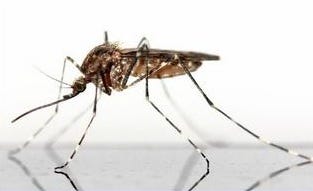
DOH-Okaloosa reminds residents and visitors to avoid being bitten by mosquitoes and to take basic precautions to help limit exposure. To protect yourself from mosquitoes, you should remember to “Drain and Cover”:

FORT WALTON BEACH, Florida — The Florida Department of Health in Okaloosa County is issuing a mosquito-borne illness advisory for residents and visitors Aug. 19, as one human case of West Nile illness is now confirmed in Okaloosa County.

See the mosquito bite prevention chart provide by DOH-Okaloosa>>

Okaloosa County Mosquito Control and DOH-Okaloosa continue to implement surveillance and prevention efforts.

 DOH-Okaloosa reminds residents and visitors to avoid being bitten by mosquitoes and to take basic precautions to help limit exposure. To protect yourself from mosquitoes, you should remember to “Drain and Cover”:

DRAIN standing water to stop mosquitoes from multiplying

●Drain water from garbage cans, house gutters, buckets, pool covers, coolers, toys, flower pots or any other containers where sprinkler or rain water has collected.

●Discard old tires, drums, bottles, cans, pots and pans, broken appliances and other items that aren't being used.

●Empty and clean birdbaths and pet's water bowls at least once or twice a week.

●Protect boats and vehicles from rain with tarps that don’t accumulate water.

●Maintain swimming pools in good condition and appropriately chlorinated. Empty plastic swimming pools when not in use.

COVER skin with clothing or repellent

Clothing: Wear shoes, socks, and long pants and long-sleeves. This type of protection may be necessary for people who must work in areas where mosquitoes are present.

Repellent: Apply mosquito repellent to bare skin and clothing.

1. Always use repellents according to the label. Repellents with DEET, picaridin, oil of lemon eucalyptus, para-menthane-diol, and IR3535 are effective.

2. Use mosquito netting to protect children younger than 2 months old.

3. Apply insect repellent to exposed skin or onto clothing, but not under clothing.

4. In protecting children, read label instructions to be sure the repellent is age-appropriate. According to the Centers for Disease Control and Prevention (CDC), mosquito repellents containing oil of lemon eucalyptus should not be used on children under the age of three years. DEET is not recommended on children younger than two months old.

5. Avoid applying repellents to the hands of children. Adults should apply repellent first to their own hands and then transfer it to the child’s skin and clothing.

6. If additional protection is necessary, apply a permethrin repellent directly to your clothing. Again, always follow the manufacturer’s directions.

COVER doors and windows with screens to keep mosquitoes out of your house

●Repair broken screening on windows, doors, porches, and patios.

 For more information on what repellent is right for you, consider using the Environmental Protection Agency’s search tool to help you choose skin-applied repellent product, http://bit.ly/2bzYkIs.

The department continues to conduct statewide surveillance for mosquito-borne illnesses, including West Nile virus infections, Eastern equine encephalitis, St. Louis encephalitis, malaria, chikungunya, dengue and Zika. Residents of Florida are encouraged to report dead birds via the Florida Fish and Wildlife Conservation Commission’s site, legacy.myfwc.com/bird/default.asp. For more information, visit DOH’s website, www.floridahealth.gov/diseases-and-conditions/mosquito-borne-diseases/index.html.

This article originally appeared on Crestview News Bulletin: Okaloosa health department issues West Nile advisory (FILE)

Sweet potato crop shows promise as feed, fuel

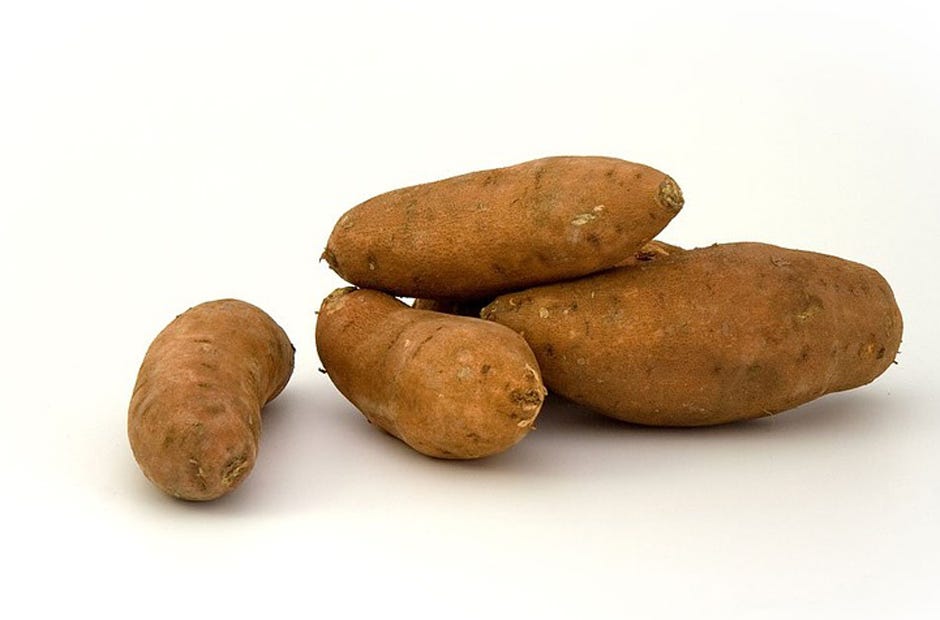
Sweet potato vines, usually thrown out during harvest, can serve well as livestock feed while the roots are an ideal source for biofuel.

GAINESVILLE, Florida — As some Florida growers try to find new crops and the demand for biofuel stock increases globally, University of Florida Institute of Food and Agricultural Sciences researchers have found that sweet potato vines, usually thrown out during harvest, can serve well as livestock feed while the roots are an ideal source for biofuel.

This could be a key finding for the agriculture industry in Florida and to biofuel needs worldwide, said post-doctoral researcher Wendy Mussoline.

“The agriculture industry in Florida is looking to find new, viable crops to replace the citrus groves that have been diminished by the greening disease,” Mussoline said. “Potato farmers are also trying to find new crops that offer both biofuel alternatives as well as food and/or animal feed opportunities. They are conducting field trials on several varieties of sweet potatoes to determine if they are an economically viable crop that they can market.”

According to a newly published study by professor Ann Wilkie and Mussoline, an industrial sweet potato variety (CX-1) may do the trick.

Currently, 99 percent of the ethanol produced in the United States comes from corn or sorghum, the study says. But scientists and business interests are considering highly productive alternatives such as sweet potatoes for biofuel. Although China produces 81 percent of the world’s sweet potatoes, U.S. sweet potato production reached a record high of 3.2 billion pounds in 2014, according to the U.S. Department of Agriculture.

Wilkie and Mussoline, both researchers in the UF/IFAS soil and water sciences department, found that CX-1 is a superior choice as a dual-purpose crop than the so-called “table” varieties – which people would normally eat — known as Beauregard and Hernandez. They determined this by putting CX-1, Beauregard and Hernandez, through multiple tests in the field and laboratory in Gainesville. 

“The CX-1 roots have higher starch content and thus higher potential for fuel ethanol yields than the table varieties,” Mussoline said.

 The study demonstrated CX-1’s value as animal feed and promotes the industrial sweet potato crop as a dual-purpose crop that could be used for both fuel ethanol from the starchy roots, and nutritious animal feed from the vines.

“Although this would be a ‘new’ feedstock for biofuels in the U.S., sweet potato is currently used in other countries; for example, China and Brazil, use it as a biofuel feedstock,” Mussoline said. 

“The sweet potato is a high-yielding crop suited to tropical and subtropical climates that requires minimal fertilization and irrigation, and the CX-1 industrial cultivar offers superior potential for feed and fuel,” Wilkie said.

The research was sponsored by the Florida Department of Agriculture and Consumer Services Office of Energy.

The new study is published online in the Journal of the Science of Food and Agriculture, http://bit.ly/29RLhpS.

Brad Buck is a University of Florida Institute of Food and Agricultural Sciences science writer.

This article originally appeared on Crestview News Bulletin: Sweet potato crop shows promise as feed, fuel

Okaloosa health department releases water quality results

FORT WALTON BEACH — The Florida Department of Health in Okaloosa County has announced water quality test results for local parks.

No Okaloosa County parks have potentially hazardous bathing water, the FDOH-Okaloosa stated Aug. 15.

None of the parks failed tests based on EPA-recommended enterococci standards. Enteric bacteria's presence indicates fecal pollution from stormwater runoff, pets and wildlife or human sewage.

This article originally appeared on Crestview News Bulletin: Okaloosa health department releases water quality results

Center has urgent need for O negative blood donations

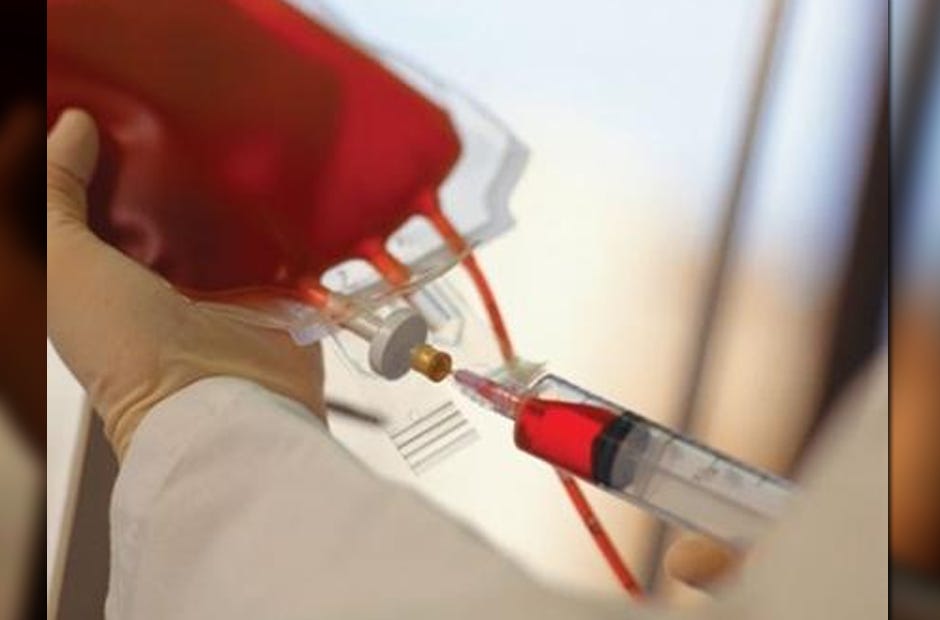
PENSACOLA, Fla. — OneBlood, a local blood center, stated in a media release that there is a dramatic increase in the demand for O Negative blood by area hospitals and as a result is urging people with O Negative blood to donate as soon as possible.

The type is in constant demand because O Negative red blood cells can be given to any patient regardless of the recipient’s blood type.

Trauma patients, cancer patients and premature babies are among the people requiring O Negative blood every day.

Generally healthy people age 16 or older who weigh at least 110 pounds can donate blood.

Crestview donor center hours are 10 a.m. to 5:30 p.m. Mondays and Thursdays; 8 a.m. to 5:30 p.m. Tuesdays and Fridays; and noon to 5 p.m. Sundays at 2400 S. Ferdon Blvd., Suite B. Phone: 306-2455.

For a list of other One Blood Donor Centers and Big Red Bus blood drives, go to www.oneblood.org/donate-now/.

This article originally appeared on Crestview News Bulletin: Center has urgent need for O negative blood donations

Florida Highway Patrol offers 7 child safety awareness tips

Children under age four must be in a car seat and as of January 1, 2015, children age four and five must be in a car seat or booster seat. Drivers will be charged if any passenger under 18 is not properly buckled in.

TALLAHASSEE, Fla. – This month, the Florida Department of Highway Safety and Motor Vehicles is reminding motorists to focus on child safety in vehicles as well as on and around Florida roads as part of Child Safety Awareness Month in August.

DHSMV Executive Director Terry L. Rhodes said, “In the heat of the Florida summer, when more children will be out on the road preparing for the start of school, it is very important to remember that whether driving through a school zone or taking a family trip, motorists must do everything possible to ensure our children arrive alive.”

The department and its partners are also reminding motorists to never leave a child unattended or unsupervised in a motor vehicle. It is extremely hot, especially during the Florida summer, and leaving a child in a car can result in the child’s injury or death.

“It is critically important to ensure the safety of our children in vehicles as they travel our state’s roadways. That means properly restraining children according to their age, size and weight,” said Colonel Gene S. Spaulding, Director of the Florida Highway Patrol. “FHP encourages everyone in the vehicle to buckle up, including passengers in the back seat. Remember, as the caregivers for these young lives, it’s your responsibility to ensure they are safe.”

Additional safety tips for parents and all motorists to keep kids safe in and around vehicles:

●Children under age four must be in a car seat and as of January 1, 2015, children age four and five must be in a car seat or booster seat. Drivers will be charged if any passenger under 18 is not properly buckled in.

●Read the car seat’s instruction manual and the portion of your vehicle’s owner manual when you install a car seat. Visit a local FHP station to ask a car-seat certified trooper to help install your seat.

●In passenger vehicles, children under the age of 13 should be secured in the rear seat; airbags can injure or kill young children in the front seat. Never place a rear-facing car seat in front of an airbag.

●Be alert and watch for children especially near schools, bus stops, school buses and in school parking lots. Always watch for and obey signals from school crossing guards.

●Never sit on the roadway or the curb while waiting for the school bus; wait in a safe place away from the road.

●Children on bicycles can be unpredictable and can make sudden changes in direction. Be especially careful when children are present in school zones and residential areas.

●Be alert while backing up and designate safe play areas away from vehicles.

Visit the DHSMV’s website, www.flhsmv.gov/safety-center/vehicle-and-child-safety/child-safety/, for more information and use the hashtag #ChildSafetyFL throughout the month to add and share important child safety information.

●Preliminarily in 2015, there were 66,091 crashes in Florida involving children under the age of 18, resulting in 25,992 injuries and 149 fatalities, a 25 percent increase in fatalities from 2013.

●Preliminary numbers show that in 2015, 1,165 children were injured wearing no safety restraint in a vehicle and law enforcement issued more than 21,000 citations to motorists for not properly securing children in a vehicle. Florida law requires that all drivers and all passengers under the age of 18 wear a safety belt.

●More than 200 children under the age of 6 were injured in crashes not wearing any type of seat restraint. 

Some statistics

This article originally appeared on Crestview News Bulletin: Florida Highway Patrol offers 7 child safety awareness tips

Okaloosa County 4-H sets Farm Safety Day Camp

The Okaloosa County 4-H Safety Camp will include archery tips. It is 8:30 a.m. to 3 p.m. Sept. 10 at the Baker Arena, 5503 US Highway 4.

BAKER — Okaloosa County 4-H presents a full day of fun for youths at the Farm Safety Day Camp.

The event is for children ages 8-18. Those younger than 8 may attend if accompanied by a parent.

The entrance fee is $5 per child for the camp, which is 8:30 a.m. to 3 p.m. Sept. 10 at the Baker Arena, 5503 US Highway 4. The fee includes lunch, a T-shirt, classes and a goodie bag.

Participation is limited to the first 100 applicants.  Activities include archery safety, ATV safety, bug and plant identification and Ranger snake identification.

Parents may also get their car seat installations checked from 9-11 a.m.

The registration deadline is 5 p.m. Sept. 1; call the Okaloosa County Extension Office, 689-5850.

This article originally appeared on Crestview News Bulletin: Okaloosa County 4-H sets Farm Safety Day Camp

University of Florida has student nutrition survival, eating tips

Poor nutrition habits can have a negative impact on health, body weight, and, behaviors formed during this initial period of independence can last a lifetime, said Anne Mathews (inset), a UF/IFAS assistant professor of food science.

GAINESVILLE — When you get to college, and you’re trying to eat well, there are so many temptations and challenges — fast foods and late-night pizza, navigating the dining halls, limited transportation to grocery stores.

For most college students, this is the first time living away from home. This new found independence is exciting, but comes with challenges, says a University of Florida Institute of Food and Agricultural Sciences researcher and University of Florida Institute of Food and Agricultural Sciences Extension specialist.

Poor nutrition habits can have a negative impact on health, body weight, and, behaviors formed during this initial period of independence can last a lifetime, said Anne Mathews, a UF/IFAS assistant professor of food science. While the so-called “Freshman 15” is a bit of an exaggeration, most college students gain excess weight. On average, college students gain about 7 pounds during the first year, and many continue to gain weight at a slower rate throughout college.

Mathews works as an investigator on a national project that’s trying to get college students to live healthier lifestyles, says you can eat healthy meals in college just by paying attention to a few details.

“Like other adults, the college students we work with choose their foods based on taste, price and convenience,” said Anne Mathews, a UF/IFAS assistant professor of food science and human nutrition and a registered dietitian. “Many also say they select foods based on what they perceive will keep them full for the longest period of time as they are often unsure where and when their next meal will come with classes, club meetings, and hours of studying.”

National statistics show an alarming increase in adolescent obesity, the target of this study. The percentage of people aged 12 to 19 who were obese increased from 5 percent to nearly 21 percent from 1980 to 2012, according to the U.S. Centers for Disease Control and Prevention.

Knowing these factors, here are some of Mathews’ tips to help college students live healthfully on campus:

•Keep your favorite fruits and vegetables on hand. If they taste good to you, you are more likely to eat them regularly.

•Aim for at least three different foods at each meal. Pack a few fruits and veggies to go with you each day so you can supplement meals where they aren’t offered, or enjoy as a snack.

•Plan ahead. Glance at your schedule regularly and think about where and what you will eat. Stick to your plan.

•At the dining hall or any other place a meal is offered, scan your choices and fill half your plate with vegetables and fruit first. Then add the entrée.

•Eat a protein-rich food at each meal. Nuts, seeds, cheese and yogurt are easy, convenient choices that you can pack yourself if needed.

•Invest in a great “to go” or lunch box. Pick one that fits your backpack and has compartments to keep foods separate.

•Learn how to make a few simple, healthy meals that don’t require many ingredients or utensils. Search the Internet for easy recipes that can be cooked in a microwave.

•If transportation is a challenge, ask a friend for a ride, ride your bike with a backpack or take the bus on the weekend to the grocery store, and only buy what you can eat and store for the next several days. Avoid buying less healthy snacks like chips and cookies. Spend your money and storage space on your favorite nutrient rich foods.

•Encourage campus organizations to offer healthier options at meetings where food is provided. With a little effort and planning, it can be done.

Mathews is part of team of researchers putting together a nationwide program called Get Fruved. This is a campaign that uses peer interaction to try to get high school and college students to eat more fruits and vegetables, exercise more and manage stress more effectively.

UF students are involved in creating the program from a $4.9 million federal research and extension grant awarded in 2014. Mathews is the primary investigator for UF’s part of the study.

Click on www.fruved.com for more information.

Brad Buck is a University of Florida Institute of Food and Agricultural Sciences science writer.

This article originally appeared on Crestview News Bulletin: University of Florida has student nutrition survival, eating tips


error: Content is protected !!