Please ensure Javascript is enabled for purposes of website accessibility
Skip to main content
Advertisement
Advertisement

Crestview Teen Center hosts foster parent information program

The West Florida Foster Care of United Methodist Children's Home will present an information session July 31 at 6:30 p.m.

The presentation is located at 120 Duggan Ave. in Crestview.

For more information, contact Charlotte Thomas at 995-9600, or email charlotte@umch.net.

This article originally appeared on Crestview News Bulletin: Crestview Teen Center hosts foster parent information program

EXTENSION CONNECTION: Lichens on plants indicate poor plant growth

Do you have trees or shrubs with trunks and branches covered with gray-green crusty growths?

These growths — called lichens — are harmless and do not cause plants' poor growth or decline.

Lichen is an alga and a fungus growing together in a symbiotic relationship. The alga supplies the fungus with carbohydrates through photosynthesis; the fungus protects the alga from drying. Lichens are not pathogens, nor are they parasitic to plants. They simply need something to structurally support them.

As a tree or shrub declines in health, the canopy thins, allowing more light to penetrate the plant. The additional light and the plant’s slow growth allow lichens a better environment to grow.

When lichen growth is abundant on dying limbs and branches, ask, “Why is the plant growing poorly?” Diagnosing the problem may be difficult, requiring considerable plant knowledge.

Reasons for a plant's poor health range from incorrect plant placement or poor growing conditions to injuries from mowing equipment and misplaced lawn chemicals. Trees and shrubs planted too deep will usually be in a state of poor health. The plant may be declining from lack of fertilizer or because the pH is incorrect. Or, it may be due to an older plant's natural decline.

Correctly identifying and correcting the causes for poor growth will allow the plant’s health to improve, and lichens will gradually disappear.

Your local University of Florida/Institute of Food and Agricultural Sciences Extension Office can assist with identifying the possible causes for poor plant growth.

Larry Williams is an agent at the University of Florida's Extension office in Crestview.

This article originally appeared on Crestview News Bulletin: EXTENSION CONNECTION: Lichens on plants indicate poor plant growth

Heat and medicine: a dose of danger for seniors

A potentially deadly danger lurks in the medicine cabinets of local seniors this summer. Did you know that heat, when combined with certain medications, can seriously harm seniors? 

According to the Centers for Disease Control and Prevention:

Seniors are more prone to heat stroke and heat-related stress because their bodies can’t adjust to sudden changes in temperature.

Seniors who take certain prescription medications are more susceptible to heat related injuries and illnesses.

“During the hot summer months, families really need to pay special attention to their elderly loved ones who are taking medications and may not understand the health risks,” says Rick Basch, President of Synergy HomeCare. “We strongly urge families to consult with their doctor or pharmacist regarding the potential impact of heat on any medications.   If family members aren’t available, our Caregivers can be an excellent resource for monitoring any potentially adverse reactions to heat that a senior may experience.”

Prescription for Trouble

Antidepressants and antihistamines act on an area of the brain that controls the skin’s ability to make sweat. Sweating is the body’s natural cooling system. If a person can’t sweat, they are at risk for overheating.

Beta blockers reduce the ability of the heart and lungs to adapt to stresses, including hot weather. This also increases a person’s risk of heat stroke and other heat related illnesses.

Amphetamines can raise body temperature.

Diuretics act on kidneys and encourage fluid loss. This can quickly lead to dehydration in hot weather.

Sedatives can reduce a person’s awareness of physical discomfort which means symptoms of heat stress may be ignored.

Ephedrine/Pseudoephedrine found in over the counter decongestants decrease blood flow to the skin and impact the body’s ability to cool down.

“We want to do everything we can to ensure that our seniors don’t make the headlines this summer due to heat-related conditions,” says Basch. “Our Caregivers can be a lifesaver (literally), when it comes to keeping seniors well hydrated, cool and comfortable. They’re an extra set of eyes and when it really counts.”

This article originally appeared on Crestview News Bulletin: Heat and medicine: a dose of danger for seniors

March of Dimes reminds parents to immunize children for the new school year

MAITLAND — March of Dimes, the leading organization for mom and baby health, urges parents to immunize their children against infectious diseases before the beginning of the 2014-2015 school year. Influenza, pertussis (whooping cough), and measles are just a few of the serious vaccine-preventable diseases that still affect children and adults in the United States today.

“Immunizations are as important today as they were in the age of polio in the 1950s, when the March of Dimes funded the pioneering work that resulted in the vaccine that still is used today against this deadly disease,” said Dr. Karen Harris, Program Services Committee chair for the March of Dimes Florida Chapter. “Back-to-school season is the time of the year when we especially encourage kids to get their shots to protect their health.”

Even small groups of unimmunized people can quickly spread disease, Dr. Harris says. In the US, both measles and whooping cough are at epidemic rates.

According to the Florida Department of Health, the most recent school year (2013 – 2014) immunization status reports for all 67 Florida counties indicate rates of:

•Kindergarten: 93.2 percent (state and national goal is 95 percent)

•Seventh grade: 96.6 percent (state goal is 95 percent; national goal is 90 percent)

•Two-year-old children (2013): 86.72 percent (state and national goal is 90 percent)

Flu shots

The Centers for Disease Control and Prevention says diseases can spread when infected people cough, sneeze, or even talk. Children may spread the flu virus for up to three days before they show any symptoms and for longer than a week after getting sick, putting their classmates at risk of becoming sick, too.

The CDC, the March of Dimes, and the American College of Obstetricians and Gynecologists all recommend that, in addition to children, all pregnant women and those planning to become pregnant should get an annual flu shot in the fall. The normal biological changes of pregnancy put pregnant women at increased risk of the harmful effects of flu. Recent research suggests that the flu vaccine may also lower a woman’s risk of having a stillbirth or miscarriage. “The flu vaccine helps protect your body from infection, and this protection is in turn passed on to your baby during pregnancy,” adds Dr. Harris, explaining that immunization during pregnancy helps keep the newborn safe during the first few months of life until he or she is ready for the first set of vaccinations.

Pertussis

Parents, grandparents, caregivers, and anyone in close contact with an infant should get an adult pertussis vaccine to help protect themselves and to help stop the spread of the disease to the newborns in their lives.

Newborns are most at-risk for this highly contagious and often serious disease because they don't begin receiving their own vaccinations until they are two months old and may not be protected until they have received at least three doses of an infant pertussis vaccine.

This year, the March of Dimes continues their work on the Sounds of Pertussis Campaign, a national education campaign started in 2009 to help raise awareness about the potential dangers of pertussis and the importance of adult vaccination.

March of Dimes also supports the “Word of Mom: Celebrating Generations of Healthy Advice” campaign, which empowers moms to make the best health decisions for themselves and their families by making sure their families’ immunizations are up to date.

March of Dimes continues to fund vaccine research and to work with international coalitions seeking to improve immunization rates and eliminate preventable diseases that threaten babies and children. More information on baby vaccinations is available from the March of Dimes website.

This article originally appeared on Crestview News Bulletin: March of Dimes reminds parents to immunize children for the new school year

Emmanuel Baptist benefit serves 'greater purpose' for families interested in adoption

Kids' Big Splash Day raised almost $500 for Crestview Orphan Care, an Emmanuel Baptist Church ministry, according to church officials.

CRESTVIEW — Crestview Orphan Care has almost $500 in additional funding after a water-filled day of fun at Emmanuel Baptist Church.

More than 100 children enjoyed two inflatable water slides during the Kids' Big Splash Day, a Wednesday benefit at the church.

Baker resident Dr. Mary Starr Carter said getting her children, Sarah Grace and Joshua, to the event was easy.

“What kid wouldn’t want to do this all day?” she asked as she watched her 4-year-old son take numerous trips down the water slides.

Still, Carter didn't lose sight of the real cause.  

Funds raised will benefit the church’s adoption fund, which provides grants to church members looking to adopt a child.

“The greater purpose is to help (the church) raise money,” she said. “I’ve noticed … that this church is big into helping parents with adoption, because we know how expensive that is.”

Parents likely will get more help next year, based on this event.

“I think we will be doing this again, especially in the summertime,” said Justin Wyatt, the church’s pastor of worship and missions.

Email News Bulletin Staff Writer Matthew Brown, follow him on Twitter or call 850-682-6524.

This article originally appeared on Crestview News Bulletin: Emmanuel Baptist benefit serves 'greater purpose' for families interested in adoption

Weekly Crestview concerts please patrons, expose up-and-coming musicians

Cellist Montavius Diamond performs his first Music at the Library concert Tuesday evening.

CRESTVIEW — The strains of Frédéric Chopin and Giacomo Puccini mingle with the tomes of William Shakespeare and F. Scott Fitzgerald at the Crestview Public Library many Monday and Tuesday evenings.

The library expands its scope of services with programs such as the Music at the Library concert series, which has grown in attendance.

Tuesday evening, Crestview cellist Montavius Diamond performed a program of classical and American folk music.

Some library patrons pulled up chairs to listen to the concert while others continued to work or read. Many applauded after each number.

The concerts provide patrons a cultural opportunity or just simply pleasant background music while they study, read or do research, library staffers say.

CLASSICAL PREFERED

“They appreciate especially the calmer, classical instrumental type music,” reference librarian Sandra Dreaden said. “Someone stopped at my desk while Montavius was playing and said, ‘This is just marvelous,’ and wanted to know if we have it regularly.”

Past performers have included violinist Meagan Jackson, a Crestview High School student saxophone quartet and a local dulcimer band. 

Dreaden, who coordinates the Music at the Library performances and art or cultural exhibits, said the more mellow performances are most popular.

“When we had a louder, vocal performance, that was not appreciated,” she said. “We do have patrons who are trying to get work done on the computers.”

“I like it,” Rocky Bayou Christian School rising senior Ian Kampert said. “A lot of people use the library as a place to study and music helps people remember what they studied.”

PLEASANT SURPRISE

Some patrons attend the concerts specifically to hear a performer or to enjoy a particular instrument, Dreaden said.

“People are also just pleasantly surprised in the evening when they walk in and hear the music,” she said.

One was Justin Thompson, a rising Crestview High senior who was looking for books on a particular subject.

“I enjoy the music,” Justin said, saying it was the first time he heard one of the performances. “It adds dramatic effect to book searching.”

For younger or amateur musicians seeking performance opportunities and exposure, Music at the Library is an excellent experience, Dreaden said.

“I like seeing a young guy just starting out who’s trying to get his name out there have a chance like this,” patron Alan Pinker said while using a public computer as Diamond played in the background.

Dreaden said any area musician or small group interested in performing may contact her. If the performer donates a CD of their music, the library will catalog it and add it to its collection, she said.

WANT TO GO?

WHAT: Music at the Library performances

WHEN: 6-8 p.m. Monday and Tuesday nights, as scheduled:

July 28, Aug. 25: Viola performance by Diego Castellanos

Aug. 26: Cello performance by Montavius Diamond

WHERE: Crestview Public Library

NOTES: Free concerts. Contact reference librarian Sandra Dreaden, 682-4432, to perform

Email News Bulletin Arts Editor Brian Hughes, follow him on Twitter or call 850-682-6524.

This article originally appeared on Crestview News Bulletin: Weekly Crestview concerts please patrons, expose up-and-coming musicians


Bodybuilder, neurosurgeon debunk 5 training myths

While big chunks of America’s population continue to be ravaged by obesity, causing other problems such as cardiovascular disease and diabetes, there are many millions who choose to prevent those conditions by exercising regularly.

“The Centers for Disease Control recently estimated that only 20 percent of us get the recommended amount of daily exercise,” says Dr. Brett Osborn, author of “Get Serious, A Neurosurgeon’s Guide to Optimal Health and Fitness."

“Given our diet and lifestyles, it’s no wonder that some of our first-world diseases have reached epidemic proportions.

“Let’s be clear: This is your health. There is nothing more important. If you don’t have good health, you will eventually die, preventing you from doing everything else, from spending time with your loved ones to enjoying your money.”

If you’re going to exercise – which Osborn applauds – he warns that you will do more harm than good if you’ve bought into some of the myths and “conventional wisdom” that is, in fact, simply wrong.

Osborn, an avid bodybuilder, shatters some of those misconceptions:

•  More exercise is always better. Everyone wants more muscle and less fat, Conventional wisdom says that hours and hours of exercise will achieve those results. That’s completely wrong, Osborn says. Overkill is not only unnecessary, it can be counterproductive. You’ll get the best results with a strength-training regimen, tailored to meet your needs, which can be accomplished in three to four hours per week.

•  More cardio is better than lifting. For all you chronic dieters and cardio enthusiasts out there trying to shed fat, the right strength-training program can boost your metabolism and help burn off more fat. By increasing lean muscle mass, you will increase your basal metabolic rate, BMR. Activated, contracting muscles are the body’s furnace. Excessive cardio and dieting can eat muscle tissue away, compromising this furnace.

•  Women: “But I don’t want to look like a man.” Females who lift weights won’t look like men; they do not have the hormonal support to pile on a significant amount of muscle mass. Female lifters will, however, assume a shapelier figure. In fact, 99.99 percent of men older than 30 do not have the natural hormonal support to do so either. All elite professional bodybuilders use androgenic agents, including steroids.

•  You need to buy “product X.” We live in a very money-based culture – so much so that we often place the almighty dollar above health. Get out of this mindset, at least regarding exercise. What counts for building muscle includes determination, intensity, consistency and safety. If you think buying the most expensive formula, training uniform or machine is necessary for reaching your potential, you’re wrong. Machines often compromise the intensity required for the body you desire.

•  CrossFit is a good exercise program. If you want to build muscle, then CrossFit has many problems. First, it encourages ballistic movements from novice lifters, and since the program’s rise in popularity, there has been a marked increase in injury rates, which can set fitness goals back by many months. Second, as mentioned above, you don’t need to pound the body five times a week; you may increase endurance and lose fat, but you’ll also lose muscle. CrossFit encourages overtraining and has been linked to increased incidents of Rhabdomyolysis, or Rhabdo, which is the breakdown of muscle tissue that leads to the release of muscle fiber contents into the blood. Rhabdo can cause kidney damage. Third, the creators of CrossFit have encouraged the Paleo Diet, a low-insulin diet. Insulin is a necessary part of building muscle.

Brett Osborn is a New York University-trained, board-certified neurological surgeon with a secondary certification in anti-aging and regenerative medicine, Diplomate; American Bard of Neurological Surgery, Diplomate; American Academy of Anti-Aging Medicine. He holds a CSCS honorarium from the National Strength and Conditioning Association. Dr. Osborn specializes in scientifically based nutrition and exercise as a means to achieve optimal health and preventing disease. He is the author “Get Serious, A Neurosurgeon’s Guide to Optimal Health and Fitness."

This article originally appeared on Crestview News Bulletin: Bodybuilder, neurosurgeon debunk 5 training myths

Six parks receive advisories for hazardous water

FORT WALTON BEACH — Six Okaloosa County parks may have potentially hazardous bathing water, the Florida Department of Health in Okaloosa County stated this week.

On July 21, Liza Jackson and Garniers Parks, Fort Walton Beach; Marler Park, Okaloosa Island; Poquito Park, Shalimar; Lincoln Park, Valparaiso; and Fred Gannon Rocky Bayou State Park, Niceville, failed tests based onEPA-recommended enterococci standards.

Enteric bacteria’s presence indicates fecal pollution from stormwater runoff, pets and wildlife or human sewage.

Call 689-7859 or 833-9247 for more information.

This article originally appeared on Crestview News Bulletin: Six parks receive advisories for hazardous water

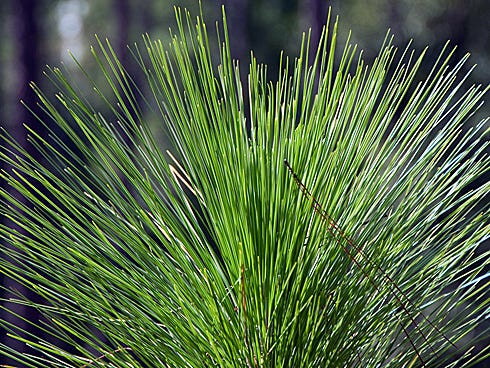
Longleaf pine making comeback in Northwest Florida

Projects that will help restore native longleaf pine and help protected wildlife are receiving Gulf Power-supported grants under the Longleaf Stewardship Fund.

Gulf Power’s parent company, Southern Company, joined the National Fish and Wildlife Foundation to announce $3.38 million in grants aimed at protecting and restoring the diminishing longleaf pine ecosystem, including seven projects within the Southern Company service area in Northwest Florida, Alabama, Mississippi and Georgia. The announcement was made Tuesday as part of a five-year anniversary celebration for America’s Longleaf Restoration Initiative held in Washington, D.C.

The two projects in Northwest Florida spur restoration in Apalachicola National Forest and Blackwater River State Forest.

In Apalachicola National Forest and St. Marks National Wildlife Refuge, The Nature Conservancy of Florida and its partners will establish 1,700 acres of longleaf pine and enhance more than 26,000 acres of existing longleaf habitat with prescribed fire, hardwood treatment and invasive species removal. The project will benefit the gopher tortoise, protect native wildlife and support the natural resource and encroachment protection goals of Tyndall Air Force Base near Panama City.

Continuing restoration efforts at Blackwater River State Forest, the Longleaf Alliance and partners will prescribe fire on 20,000 acres, control invasive species on 350 acres, treat 1,100 acres of hardwoods and restore 330 acres of longleaf pine. The project also will support the natural resource and encroachment protection goals of Eglin Air Force Base by expanding potential off-base habitat for protected species, including the flatwoods salamander.

“These projects are helping restore critical native habitat that our area has lost,” said Natalie Smith, Gulf Power spokesperson. “It will take time, but we and our partners are committed to the long-term success of these restoration efforts. These projects throughout Northwest Florida and the Southeast all are working toward the same goal: restoring our legacy of longleaf pine and the native wildlife it supports.”

The Longleaf Stewardship Fund stems from the success of the Longleaf Legacy program, a partnership between Southern Company and NFWF from 2004-2011 that invested $8.7 million in projects expected to restore 82,000 acres of longleaf pine forest and the native species that rely on it. Additionally, another 20,000 acres were restored through the company’s closely aligned Power of Flight program with NFWF.

The majestic longleaf pine ecosystem once covered more than 90 million acres across nine states from Virginia to Texas, but dropped to only 3 percent of its original acreage. With the diverse public-private commitment to longleaf pine restoration in recent years, longleaf pine forest has increased from roughly 3 million acres to an estimated 4.4 million acres, halting and reversing a century-long decline, benefiting many threatened and endangered species dependent on the habitat.

This article originally appeared on Crestview News Bulletin: Longleaf pine making comeback in Northwest Florida

Look Good, Feel Better program scheduled in Crestview

CRESTVIEW — Look Good Feel Better's next session is 1-3 p.m. Aug. 11 at North Okaloosa Medical Center, Senior Circle classroom, 127 E. Redstone Ave., Suite A.

Advance registration is required to provide cosmetics that match your skin tone.

This group program is open to all women with cancer who receive chemotherapy, radiation or other treatments.

Call the American Cancer Society, 1-800-227-2345, for details.

This article originally appeared on Crestview News Bulletin: Look Good, Feel Better program scheduled in Crestview

error: Content is protected !!